- The Saudi Construction Index fell to 52.3 in October, indicating slower overall growth while remaining above the growth threshold.
- The infrastructure index rose significantly to 64.3 from 55.8, reflecting stronger expansion in this sector.
- The Kingdom’s non-oil economic activities grew by 1.9% year-on-year in Q3 2026, up from 0.8% in Q2, despite a 3.8% decline in real GDP due to falling oil activities.
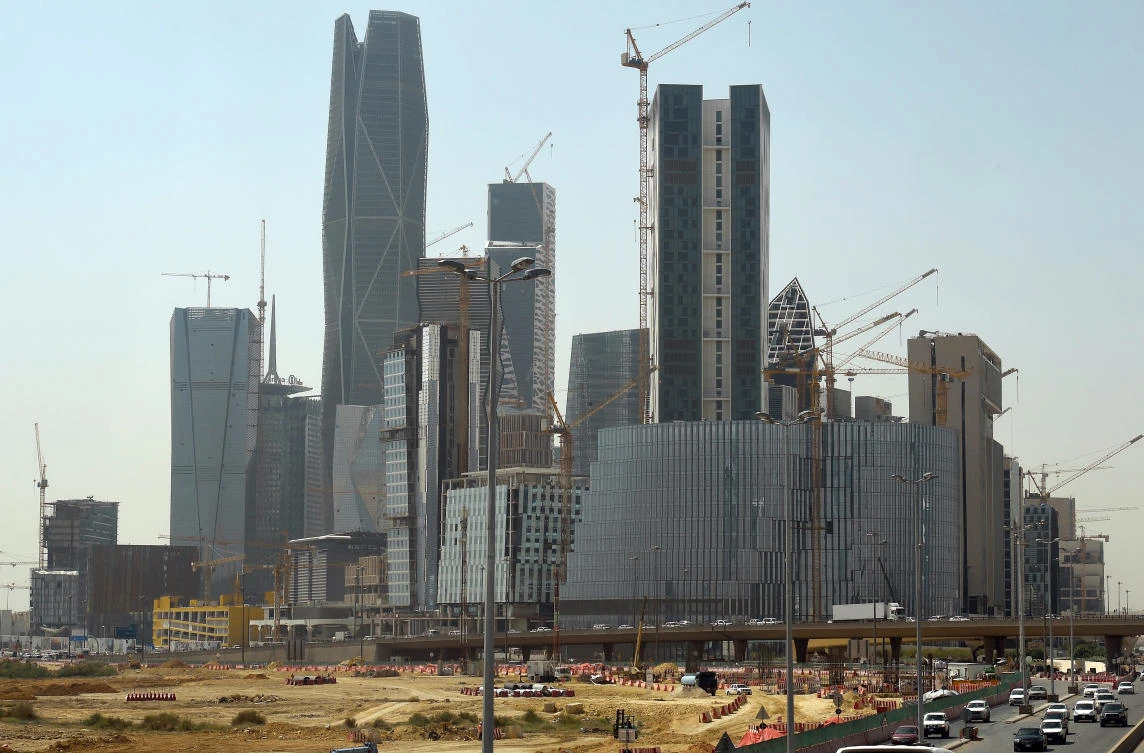
RIYADH: Saudi infrastructure activity hit its highest level since January in October, lifting construction output for a sixth straight month despite slower overall growth, data showed.
The alrajhi capital Saudi Construction Index, compiled by S&P Global Market Intelligence, fell to 52.3 in October from 54.4 in September, indicating a slower pace of expansion and its weakest growth since May, although the reading remained above the 50-point threshold separating growth from contraction.
By contrast, the infrastructure index rose to 64.3 from 55.8, signalling a stronger pace of expansion.
The reading comes as the Kingdom’s non-oil economy strengthens, with activities growing 1.9 percent year on year in the third quarter of 2026, up from 0.8 percent in the second quarter, even as real gross domestic product fell 3.8 percent on a 20.4 percent drop in oil activities, according to the General Authority for Statistics flash estimates.
“Infrastructure was the main driver, with its activity index reaching 64.3,” said Sultan Al-Towaim, head of research at Al Rajhi Capital.
Utility, housing and orders
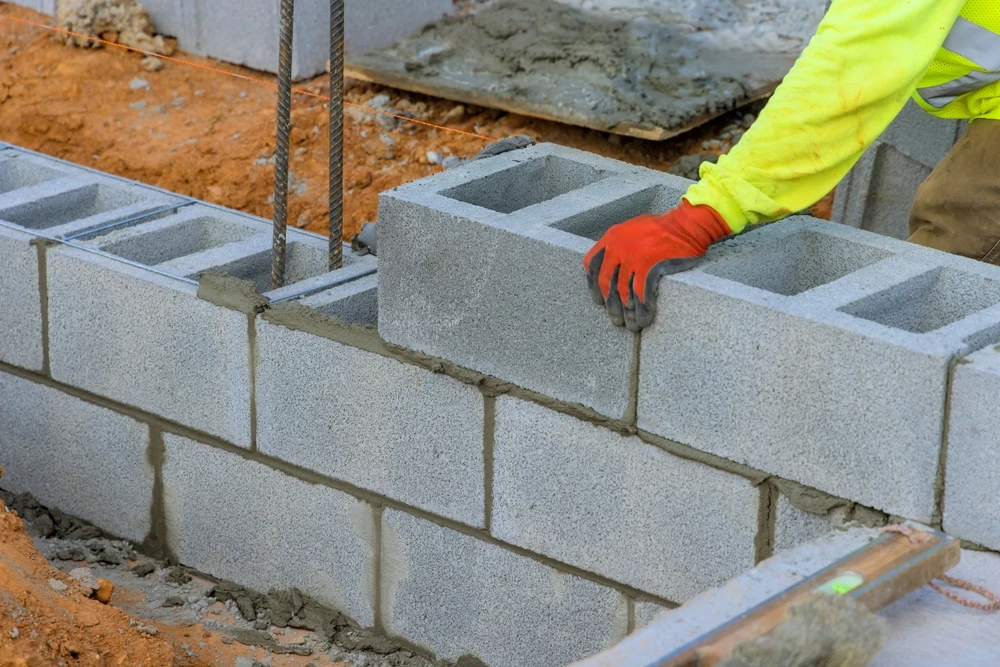
About 40 percent of surveyed firms reported higher infrastructure activity, against 5 percent reporting a decline. Respondents cited heavy workloads on road transport, utilities and other critical projects.
Residential activity rose at the slowest pace since May, with the index at 50.4.
Non-residential structures fell for the first time since January, with the index at 48.8, as clients grew cautious and projects faced delays, partly due to regional instabilities.
New orders increased at the slowest pace since May, led by infrastructure, while employment returned to growth.
Cost inflation eased from September but was the second-highest since the survey began, with firms citing higher prices for bitumen, electrical items and steel. Greater local sourcing helped keep delivery times broadly stable.
Outlook
About 31 percent of firms expect activity to rise over the next three months, while 5 percent forecast a decline. “Planned project starts and resilient demand continue to support the sector’s growth outlook,” Al-Towaim said.
The survey was conducted from Oct. 12 to 23 among around 200 companies.