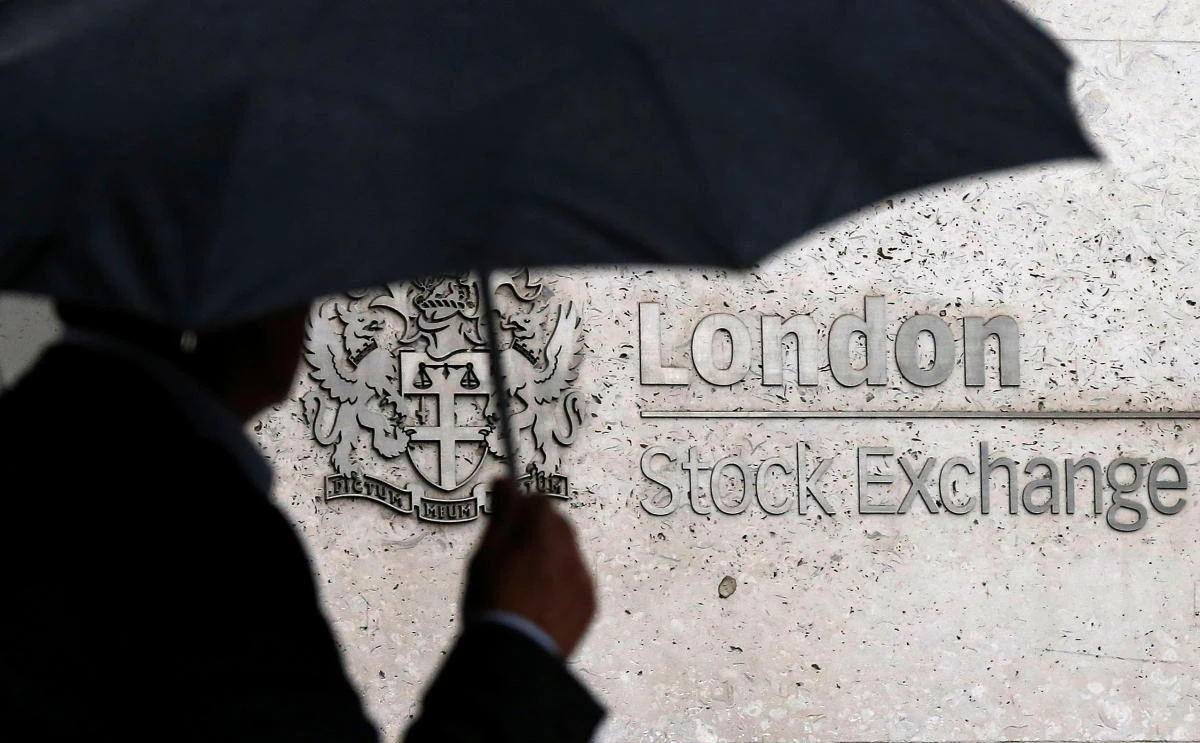
The London stock market and pound slid on Thursday, with investors nervous as Britons vote in a snap general election.
Contributing to a news-heavy day was also a meeting of the European Central Bank (ECB) at which the bank hinted at the end of its easy monetary policy, describing a rosier outlook for the eurozone and dropping a long-standing commitment to cutting interest rates yet further if necessary, and a crucial testimony by James Comey, former chief of the Federal Bureau of the Investigation, in the US.
The British capital’s FTSE 100 index, which initially rose and then eased back, ended the day with a loss of 0.4 percent. The pound also slid.
“The UK stock market would prefer a Tory victory as the party is more in favor of free market economics than Labour,” said market analyst David Madden at CMC Markets.
“The ground lost by the Conservatives in the past couple of weeks has rattled some traders,” he added.
While the pound dipped on Thursday, it was still holding onto gains made after Premier Theresa May called the early election.
The pound gained as much as 4 percent after May called a snap election seven weeks ago.
“The pound’s recent steady performance suggests a clear win for Theresa May is discounted,” NFS Macro analyst Nick Stamenkovic said.
“Indeed, the pound is vulnerable to a hung Parliament or the outside risk of a Labour victory.”
Sterling had hit a two-week high of $1.2978 in morning trade in London after polling organizations’ last surveys, but slipped back later in the day to trade down 0.2 percent at $1.2939 by 1555 GMT.
“The market has not bet everything on having a nice clear outcome — it knows we might get a surprise,” said Societe Generale chief macro strategist Kit Juckes, adding that a Conservative victory would therefore be likely to drive a clearout of short positions and a stronger pound.
“The only outcome that’s got enough clarity to get short-covering is a bigger Conservative majority.”
Volumes of spot trading in sterling against the dollar were less than half of their normal daily averages, with the bigger price action in options contracts used by companies and investors to hedge against major swings in the currency.
Sterling implied volatility on Wednesday night surged past 30 percent against both the euro and the dollar before easing back a little later in the day.
Against the euro those were the highest rates since the aftermath of last year’s Brexit referendum vote to leave the EU, pointing to nerves that an upset could deny May an outright victory.
“The pound is likely to stage a modest relief rally if the Conservatives secure a larger majority,” said Lee Hardman, a currency analyst with MUFG in London.
“The final polls support that assumption revealing that the Conservatives hold an average lead of around 7.5 percentage points, which compares to the 6.5 percent advantage they won over the Labour Party in the 2015 elections.”
There has been a wide split in polling ahead of Thursday’s vote — some surveys showing May only 1-3 points ahead while others give her an 8-10 point margin.
Contributing to a news-heavy day was also a meeting of the European Central Bank (ECB) at which the bank hinted at the end of its easy monetary policy, describing a rosier outlook for the eurozone and dropping a long-standing commitment to cutting interest rates yet further if necessary, and a crucial testimony by James Comey, former chief of the Federal Bureau of the Investigation, in the US.
The British capital’s FTSE 100 index, which initially rose and then eased back, ended the day with a loss of 0.4 percent. The pound also slid.
“The UK stock market would prefer a Tory victory as the party is more in favor of free market economics than Labour,” said market analyst David Madden at CMC Markets.
“The ground lost by the Conservatives in the past couple of weeks has rattled some traders,” he added.
While the pound dipped on Thursday, it was still holding onto gains made after Premier Theresa May called the early election.
The pound gained as much as 4 percent after May called a snap election seven weeks ago.
“The pound’s recent steady performance suggests a clear win for Theresa May is discounted,” NFS Macro analyst Nick Stamenkovic said.
“Indeed, the pound is vulnerable to a hung Parliament or the outside risk of a Labour victory.”
Sterling had hit a two-week high of $1.2978 in morning trade in London after polling organizations’ last surveys, but slipped back later in the day to trade down 0.2 percent at $1.2939 by 1555 GMT.
“The market has not bet everything on having a nice clear outcome — it knows we might get a surprise,” said Societe Generale chief macro strategist Kit Juckes, adding that a Conservative victory would therefore be likely to drive a clearout of short positions and a stronger pound.
“The only outcome that’s got enough clarity to get short-covering is a bigger Conservative majority.”
Volumes of spot trading in sterling against the dollar were less than half of their normal daily averages, with the bigger price action in options contracts used by companies and investors to hedge against major swings in the currency.
Sterling implied volatility on Wednesday night surged past 30 percent against both the euro and the dollar before easing back a little later in the day.
Against the euro those were the highest rates since the aftermath of last year’s Brexit referendum vote to leave the EU, pointing to nerves that an upset could deny May an outright victory.
“The pound is likely to stage a modest relief rally if the Conservatives secure a larger majority,” said Lee Hardman, a currency analyst with MUFG in London.
“The final polls support that assumption revealing that the Conservatives hold an average lead of around 7.5 percentage points, which compares to the 6.5 percent advantage they won over the Labour Party in the 2015 elections.”
There has been a wide split in polling ahead of Thursday’s vote — some surveys showing May only 1-3 points ahead while others give her an 8-10 point margin.