RIYADH: Strong gains in manufacturing and construction helped push Saudi Arabia’s Operating Revenues Index up 3 percent year on year in August, indicating that business activity remained resilient amid regional conflicts.
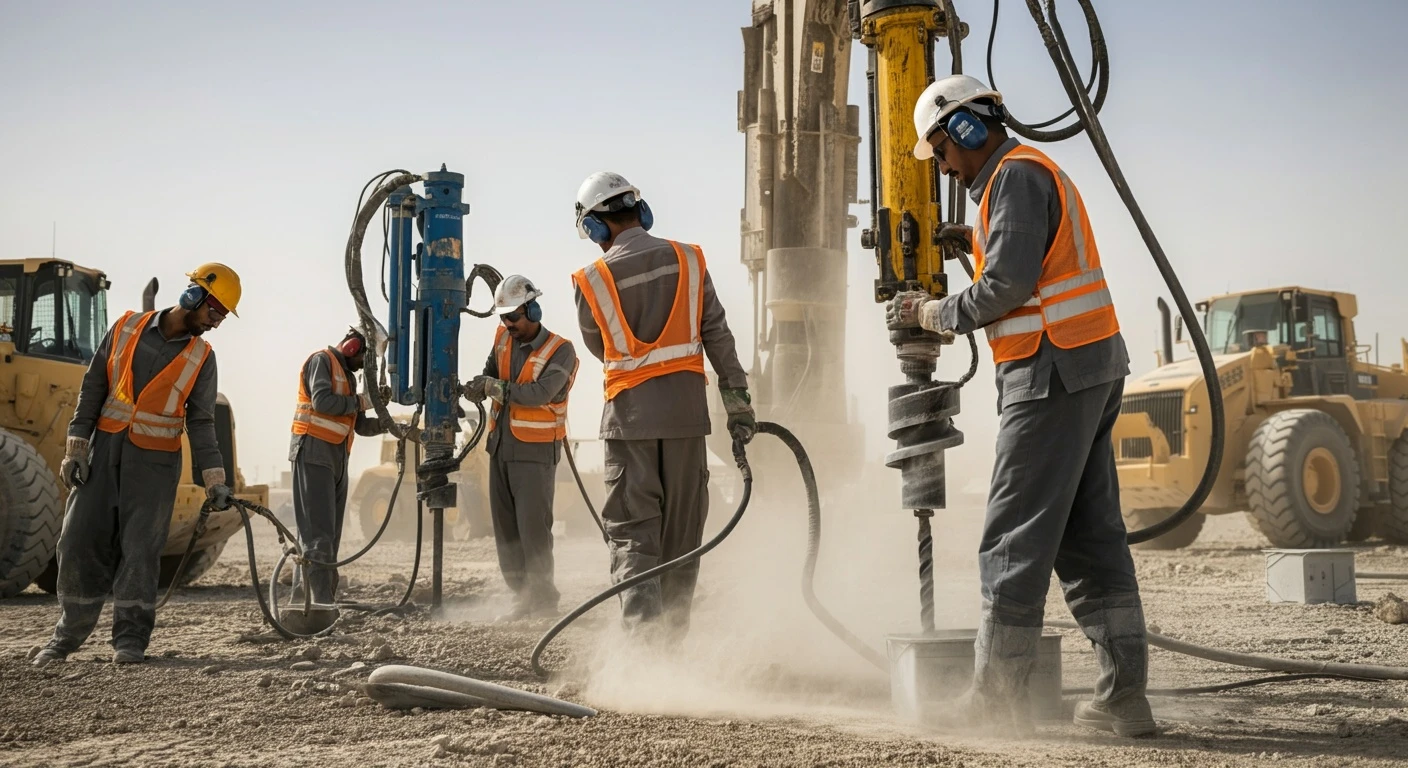
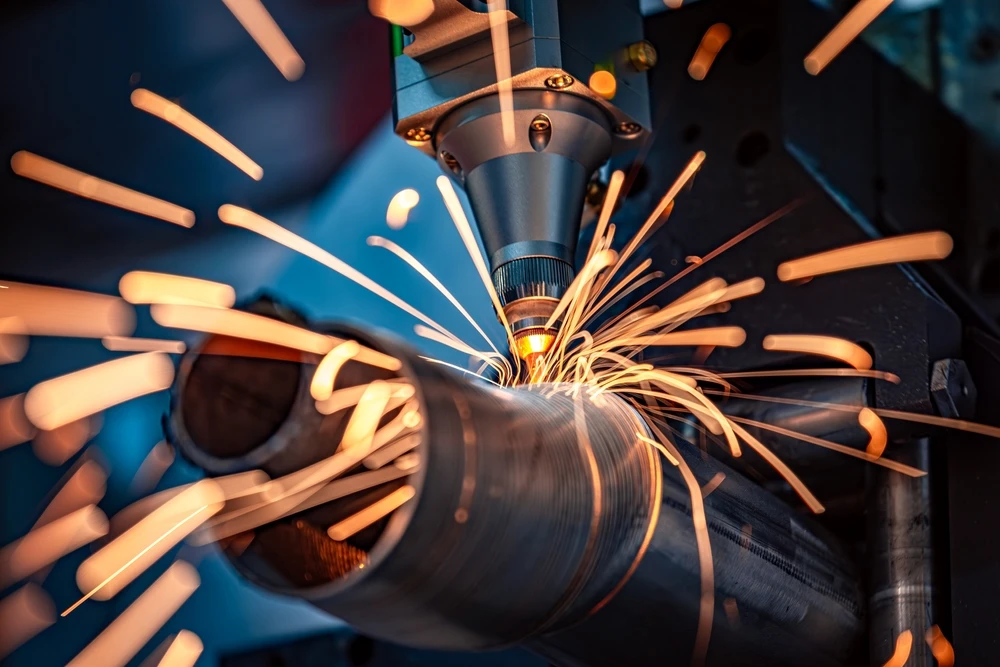
The General Authority for Statistics said manufacturing activities recorded annual growth of 7.7 percent, while construction increased 3.2 percent compared with August 2025.
These gains were accompanied by growth of 2.2 percent in wholesale and retail trade and repair of motor vehicles, 10.8 percent in financial and insurance activities, and 5.8 percent in information and communication activities.
The latest data underscore the progress of non-oil private-sector activities in the Kingdom, as Saudi Arabia continues to diversify its economy by reducing reliance on crude revenues.
The Riyad Bank Purchasing Managers’ Index, compiled by S&P Global, rose to 55.3 in September from 53.8 in August, signalling the strongest improvement in non-oil private-sector business conditions since February.
The improvement came despite regional tensions disrupting shipping and weighing on business sentiment, according to the survey findings.
In its August report, GASTAT said the monthly decline in the Operating Revenues Index was “affected by a 4.7 percent decrease in manufacturing activities, a 1 percent decline in financial and insurance activities, and a 1.2 percent decline in information and communication activities.”
Accommodation and food service activities declined 1.2 percent, while professional, scientific and technical activities fell 1.1 percent.
Non-oil activities to boost investment
Hamza Dweik, head of trading for the Middle East and North Africa at Saxo Bank, said growth in manufacturing and construction could help attract foreign investment by expanding the Kingdom’s productive capacity and industrial infrastructure.
He told Arab News: “The strength of construction and manufacturing is significant because it tells us something about where foreign capital is being deployed.
“These are sectors closely connected to the expansion of Saudi Arabia’s productive capacity and the physical infrastructure required for economic diversification.”
Dweik added that investment directed toward physical capacity and industrial development could have a longer economic footprint than capital concentrated purely in financial assets.
Employee Compensation Index
Saudi Arabia’s Employees Compensation Index increased by 6.3 percent year on year in August, driven by a 9.7 percent increase in manufacturing and a 4.2 percent rise in the construction sector.
Compared with July, the ECI edged up 0.1 percent, supported by increases of 0.6 percent in manufacturing, 0.2 percent in construction and 0.4 percent in mining and quarrying.
GASTAT said the number of building permits issued totalled 5,621 in August, down 19.7 percent from the same month in 2025. The number also declined 3.6 percent from 5,828 permits issued in July.