
- Startup funding in the MENA region saw a dramatic decline of 96% in October, with only $40 million raised across 32 deals.
- Saudi Arabia remained the top-funded ecosystem in the region, securing $18.8 million, primarily from Autobia's $12 million Series A round.
- The total funding for MENA startups in the first 10 months of 2026 reached approximately $3.4 billion, despite the recent October slump.
RIYADH: Fintech stayed active as startup funding across the Middle East and North Africa fell 96 percent in October, as Tabby Cash passed 1 million accounts and Wafr raised pre-seed funding for sukuk.
Startups across the region raised just $40 million across 32 deals in the 10th month of the year, according to Wamda and Digital Digest.
Not only is at a monthly drop of over a $1 billion, it also represents a 95 percent decline from the $784.9 million recorded in October 2025.
The headline fall was magnified by the lack of megadeals.
Whereas September had been lifted by three Saudi fintech deals worth a combined $762.5 million, while October had no later-stage rounds.
Transactions fell 56 percent, from 73 to 32. Fintech ranked second by funding value and led by deal count, with five startups raising nearly $10 million.
“The result suggests that investor interest in financial technology has not disappeared,” Wamda said in its report.
Saudi Arabia leads a thin month
Saudi Arabia remained the region’s most-funded ecosystem, with nine startups raising $18.8 million, or 47 percent of the month’s total. Autobia’s $12 million Series A accounted for nearly 64 percent of that.
The UAE followed with 10 startups raising $12.9 million, and the two markets together took nearly 80 percent of October's capital.
Early-stage startups raised $33.7 million across 24 transactions, more than 84 percent of all funding. MENA startups have attracted about $3.4 billion in the first 10 months of 2026.
Tabby Cash passes 1 million accounts
Riyadh-based Tabby said more than 1 million people in the UAE have opened a Tabby Cash account, two months after the product became available to all residents on Sept. 1.
Tabby Cash is a fee-free alternative to a debit account, built on Tabby’s Stored Value Facilities licence from the Central Bank of the UAE. It charges no setup, account or card fees and offers up to 3 percent cashback on chosen categories and all international spend.
Since launch, it has added transfers to bank accounts in more than 50 countries with no transfer fees, and payment of telecom, utility and transport bills that can be split into up to 12 monthly payments. Customers can also pay Zakat and donate to Dubai charity associations, and receive instant refunds on Tabby purchases.
Tabby CEO and co-founder Hosam Arab called Tabby Cash “the fastest growing product we’ve launched.”
The company said it serves more than 25 million customers and 70,000 brands across Saudi Arabia, the UAE and Kuwait. In September it raised $233 million at a $6.5 billion valuation in a round led by Blue Pool Capital.
Saudi Central Bank clears about $300 million in foreign financing
Separately, Tabby’s Saudi arm, Tabby Financing Co. CJSC, disclosed in its unaudited third-quarter financial statements that the Saudi Central Bank issued a “no-objection” on Oct. 27 to its obtaining additional foreign financing of SR1.125 billion ($300 million) from a global financial institution.
The no-objection is valid until the end of 2029. The filing does not name the institution or say whether the financing has been signed or drawn.
Management listed the no-objection among the factors supporting its going-concern assessment. The statements, reviewed by EY and authorised for issue on Oct. 28, show the unit’s profit for the first nine months at SR133 million, down from SR149 million a year earlier.
Net loans receivable rose to SR3.88 billion from SR3.18 billion at the end of 2025.
Cash fell to SR138 million from SR737 million, and net cash used in operating activities was SR571 million, which the company attributed to new disbursements temporarily exceeding collections.
Wafr puts sukuk on-chain
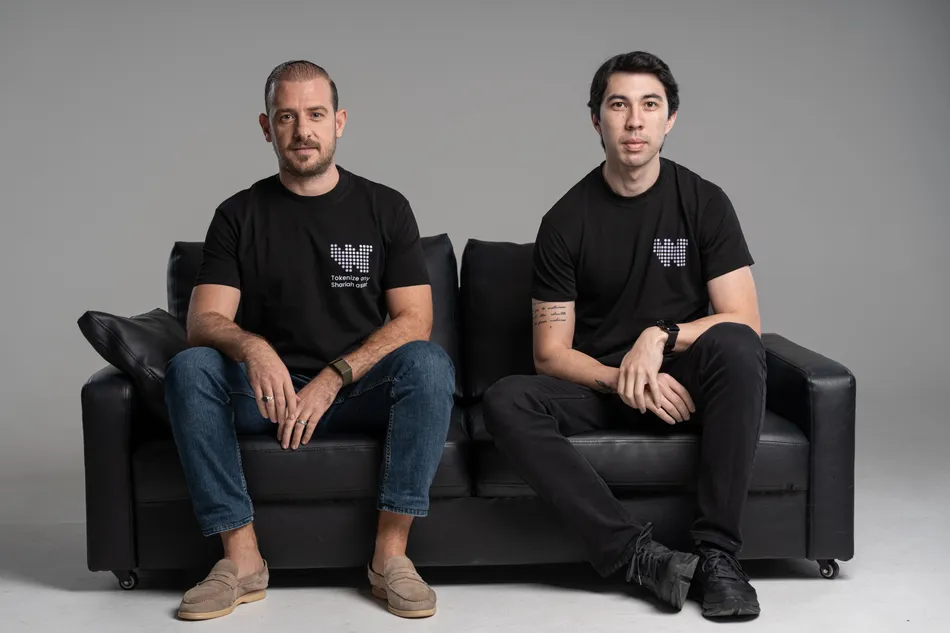
UAE-based Wafr has closed an undisclosed pre-seed round with angel investors Coen Jonker, co-founder of Tyme Group, and Neal Cross, former chief innovation officer at DBS Bank.
It also launched WafrChain, a private, permissioned blockchain for sukuk issuance, distribution, settlement and profit payments, with sukuk tokenisation now live.
Wafr said a single sukuk issuance typically involves eight parties, each keeping its own record, and can take months and in some cases more than a year. WafrChain connects them through a shared record.
Terms and the issuer’s Shariah board approval are recorded on-chain, and settlement can be made in fiat currency through local real-time gross settlement systems and SWIFT, or in stablecoins.
The company says transactions reach finality in 300 milliseconds.
The ICD–LSEG Islamic Finance Development Report 2026 put global Islamic finance assets at $6.5 trillion in 2025, up 9 percent year on year. Sukuk outstanding stood at $1.14 trillion, and annual issuance rose 14.5 percent to $291.4 billion.
Wafr plans to expand into fund tokenisation, tokenised deposits, trade finance and business-to-business settlement. Its consumer plans, including international accounts, remittances and cards, are subject to regulatory approvals.