General Sheikh Mohamed bin Zayed Al Nahyan, crown prince of Abu Dhabi and deputy supreme commander of the UAE Armed Forces noted that Africa has huge potentials that need deployment of sustainable development to preserve its vital resources not only for Africans but also for the whole world.
He made these remarks while opening the 7th World Future Energy Summit (WFES) in Abu Dhabi.
''Energy is the backbone of all development activities and its importance is increasing in arid regions for the need to power water desalination stations. We cannot speak about sustainable development away from security of basic resource: water and energy,'' Sheikh Mohamed added.
The opening ceremony's theme focused on Africa's energy challenges and how they impede the region's economic development.
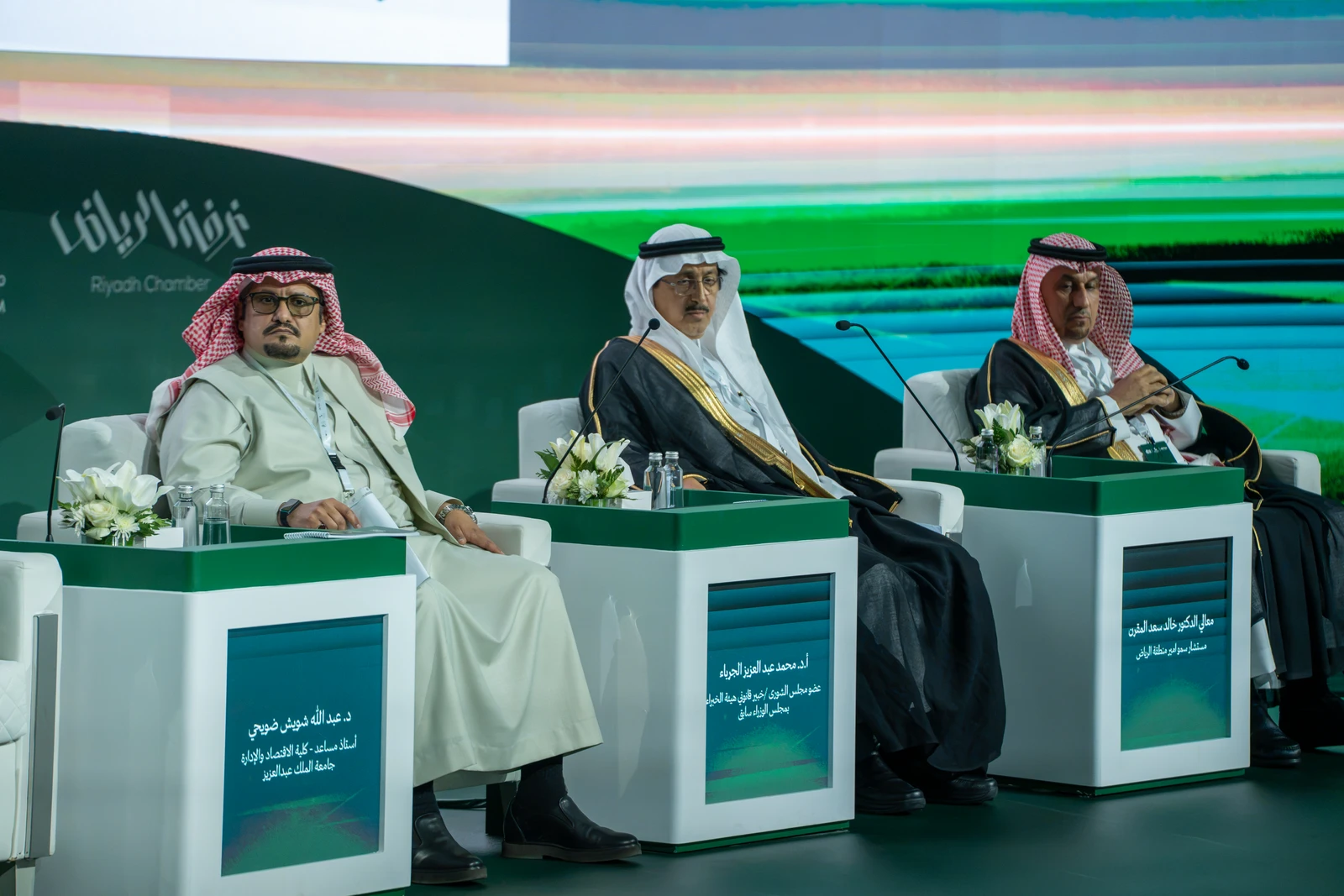
The topic of Africa — and its potential to 'leapfrog' technologies and grow its economy — was highlighted during a panel discussion that united Macky Sall, president of Senegal; Ernest Bai Koroma, president of Sierra Leone; and Hailemariam Desalegn, prime minister of Ethiopia.
Sheikh Mohamed emphasized Africa's tremendous opportunity to adopt sustainable development as a pathway to grow its economy, while protecting its natural resources.
He also underscored that the UAE is committed to delivering energy — new and traditional — as a fundamental pillar to ensuring global economic growth and security.
"Africa is a continent that is moving and changing, blessed with a dynamic population and youth, and natural resources that are important to its future growth. Paradoxically, despite its potential, Africa suffers from drawbacks that hinder its swift development," said Macky Sall, president of Senegal.
"Therefore, we need an energy mix that is sustainable for nations that do not produce oil, like Senegal. Ethiopia sees there is a huge global challenge because of rising greenhouse gas emissions. Even though Africa contributes negligible emissions compared to the rest of the world, we have opted for a green climate friendly vision for our future," said Desalegn.
"Africa shouldn't be defined by what happened in the past. We now have countries with governments committed to transparency and good governance," said Koroma.
"And at the same time, Africa is going to be the place where clean energy technologies are going to scale and encourage sustainable development. That is why I believe conferences like these are welcome developments for continents like Africa."
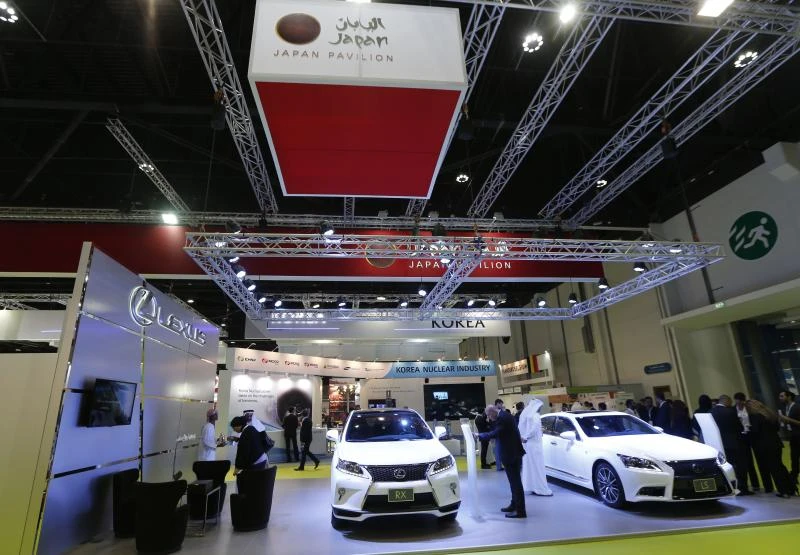
The event, which is a platform for energy experts to share best practices, has an attendance of 30,000 participants from 172 countries.
While talking on energy, Mohamed Al-Hammadi, CEO of the Emirates Nuclear Energy Corporation (ENEC) , said that four nuclear energy plants will be generating up to a quarter of the nation's electricity supply by 2020.
The first two plants are already under construction, with the first unit set to commence commercial operations in 2017, subject to further regulatory approvals.
"As a viable source of abundant and clean electricity, nuclear energy is a critical part of the solution to the global energy challenge. In the UAE, nuclear energy will play a critical role in helping our nation achieve its ambitions for climate change, energy sustainability and security," Al-Hammadi added.
ENEC is also participating in the WFES panel discussion entitled “Nuclear energy — a role to play in a sustainable energy future."
On the sidelines of the summit, the UAE signed partnerships with five Pacific island countries to deploy renewable energy projects, financed from the $50 million UAE-Pacific Partnership Fund.
Nuclear energy 'critical part of solution to energy challenge'