- Oman's Producer Price Index (PPI) increased by 32.7% year-on-year in Q2 2026, largely due to a 31% rise in mining and quarrying prices.
- The surge in mining and quarrying prices was driven by a 31.9% increase in crude oil and natural gas prices.
- In Q1 2026, Oman experienced a 3.9% year-on-year decline in PPI, influenced by an 11.6% drop in crude oil and natural gas prices.
- Manufacturing prices rose by 40.3%, with refined petroleum products seeing the largest increase at 88.2%.
JEDDAH: Oman’s producer prices surged 32.7 percent in the second quarter from a year earlier, reversing a decline in the previous quarter as crude oil, natural gas and refined petroleum prices climbed, official data showed.
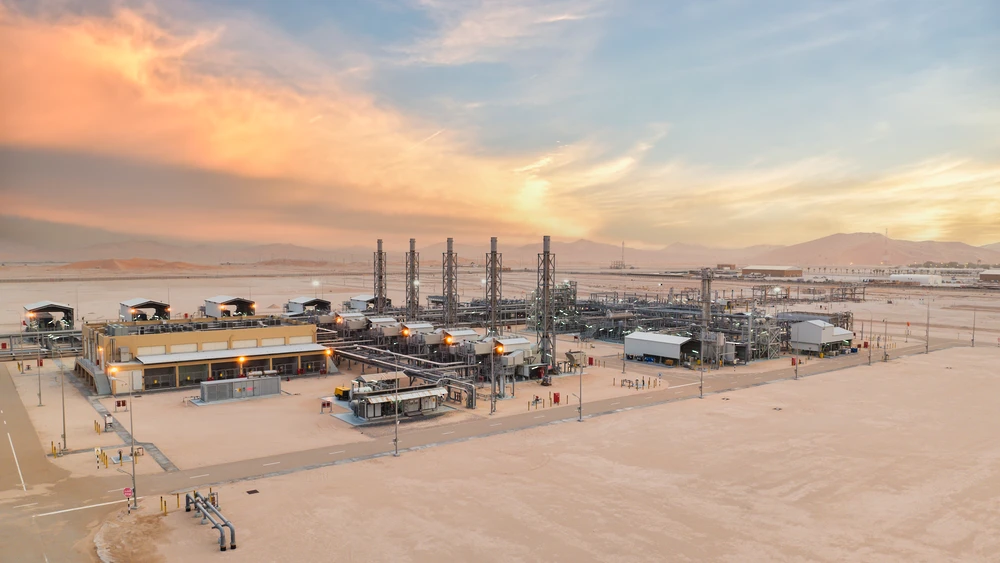
Mining and quarrying prices rose 31 percent, led by a 31.9 percent increase in crude oil and natural gas prices, according to data from the National Centre for Statistics and Information reported by Oman News Agency.
The increase marked a sharp turnaround from the first quarter, when Oman’s Producer Price Index fell 3.9 percent year on year. Mining and quarrying prices declined 11.3 percent in the period, while crude oil and natural gas prices dropped 11.6 percent.
The increase comes as Oman continues efforts to diversify its economy away from hydrocarbons. The International Monetary Fund expects real gross domestic product growth of about 3.7 percent in 2026, driven by higher oil production, while nonhydrocarbon growth is projected at 2.5 percent, with stronger expansion expected in 2027.
“The prices of stone and sand products also rose by 0.5 percent, while the prices of metal ore products fell by 14.3 percent,” ONA reported.
It added: “The prices of the manufacturing group recorded an increase of 40.3 percent, driven by a rise in the prices of the group of other transportable goods by 55.3 percent, and the highest percentages of which were the prices of refined petroleum products by 88.2 percent and chemical products by 21.4 percent.”
Prices of metal products, machinery and equipment rose 31.7 percent. Within the group, products made from iron, steel or aluminum increased 48.9 percent, while prices of power transformers, electricity distribution equipment and cables rose 39.8 percent.
Food, utilities prices also rise
“Prices of food products, beverages and textiles also rose 2.8 percent, with footwear recording the largest increase in the group at 6.7 percent, followed by woven fabrics at 2.8 percent,” ONA stated.
Water prices rose 4.4 percent, while electricity prices increased 13 percent in the second quarter from a year earlier.
The sharp increase in producer prices contrasts with relatively contained consumer-price pressures. The IMF said average inflation was 1 percent in 2025 before rising to 2.8 percent year on year in January-May 2026, driven mainly by higher food and transportation prices.
Oman’s fiscal and external positions are also expected to strengthen this year, according to the IMF, supported by higher oil revenues and continued fiscal discipline. The fund projects the fiscal surplus to widen to 4.5 percent of GDP in 2026 from 0.6 percent in 2025.