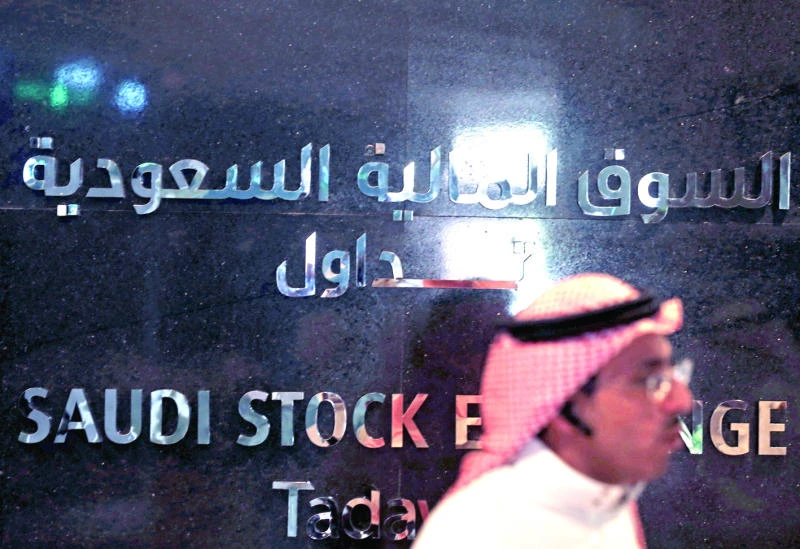
JEDDAH: Rebounding oil prices and hopes for a cease-fire in Yemen buoyed Gulf stock markets on Thursday, with several Saudi banks climbing after second-quarter earnings while Egypt stabilized after a plunging in recent weeks.
Sentiment throughout the Gulf was improved by Brent crude’s partial recovery from several days of sharp falls, rising rising 3 percent to nearly $59 a barrel by the time Saudi Arabia’s bourse closed.
The Saudi Tadawul All Share Index stock index closed 2.5 percent higher as top petrochemical producer Saudi Basic Industries (SABIC) raced to its 10 percent daily limit in heavy trading and closed at its highest level in nine days. Miner Maaden also gained 10 percent.
National Commercial Bank rose 4.6 percent after second-quarter earnings. It posted a 2.6 percent fall in net profit, slightly below analysts’ estimates, but also proposed a first-half cash dividend of 0.80 riyal.
Al-Rajhi Bank gained 4.9 percent after beating estimates, though it halved its dividend.
Jarir Marketing, Saudi Arabia’s second-largest retailer by market value, slipped by 0.7 percent. It had dropped 2.3 percent on Wednesday after posting a 14.6 percent rise in second-quarter net profit to SR154.9 million ($41.3 million). Analysts had on average forecast SR158.7 million.
In addition to oil and bank earnings, the market was supported by hopes for a halt to the conflict in Yemen.
“The market has been discounted because of geopolitical risks and the oil price drop,” said Mazen Al-Sudairi, head of research at Al-Istithmar Capital in Riyadh.
“If the geopolitical factors improve, the market will definitely improve accordingly.”
Elsewhere in the Gulf, Dubai’s stock index ose 0.8 percent as construction company Drake & Scull, the most heavily traded stock, jumped 7.2 percent.
The stock has been volatile since the company removed ownership restrictions for Gulf citizens on July 2.
Abu Dhabi edged 0.3 percent higher as Dana Gas surged 10.9 percent.
The company said on Sunday that it had won a favorable court ruling in its dispute with the government of Iraq’s Kurdistan over unpaid receivables, though Kurdish authorities denied this.
Tadawul: SABIC reaches highest close for 9 days