WASHINGTON: World finance leaders were gathering on US President Donald Trump’s home turf on Thursday to try to nudge his still-evolving policies away from protectionism and show broad support for open trade and global integration.
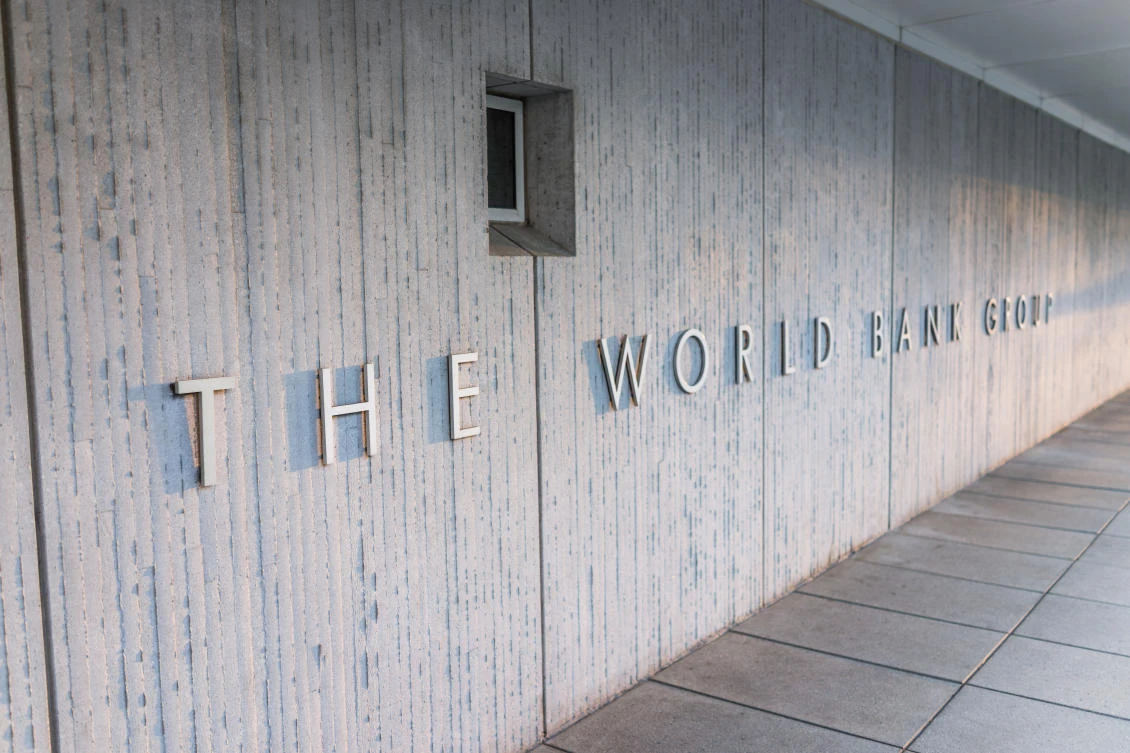
The International Monetary Fund (IMF) and World Bank spring meetings bring the two multilateral institutions’ 189 members face-to-face with Trump’s “America First” agenda for the first time, just two blocks from the White House.
“These meetings will all be about Trump and the implications of his policies for the international agenda,” said Domenico Lombardi, a former IMF board official who is now with the Center for International Governance Innovation, a Canadian think-tank.
He added that IMF Managing Director Christine Lagarde is aiming to “socialize” the new administration to the IMF’s agenda and influence its policy choices.
The IMF in particular has sounded warnings against Trump’s plans to shrink US trade deficits with potential measures to restrict imports, arguing in its latest economic forecasts that protectionist policies would crimp global growth that is starting to gain traction.
Trump administration officials are now pushing back against such warnings by arguing that other countries are more protectionist than the US.
Trump launched the week by signing an executive order to review “Buy American” public procurement rules that have long offered some exemptions under free trade agreements, and by lashing out at Canadian dairy restrictions.
In addition to warnings on trade, the IMF on Wednesday unveiled two studies pointing out dangers from fiscal proposals that Trump is considering. These included warnings that his tax reform ideas could fuel financial risk-taking and raise public debt enough to hurt growth.
Making tax reforms “in a way that does not increase the deficit is better for growth,” added IMF fiscal affairs director Vitor Gaspar.
The advice may simply be ignored, especially after US Treasury Secretary Steven Mnuchin last month insisted that an anti-protectionism pledge be dropped from a Group of 20 communique issued in Baden-Baden, Germany, said Eswar Prasad, former head of the IMF’s China department.
“The IMF has little leverage since its limited toolkit of analysis-based advice, persuasion, and peer pressure is unlikely to have much of an impact on this administration’s policies,” said Prasad, now an international trade professor at Cornell University.
Mnuchin’s decision against naming China a currency manipulator last week removed one concern for the IMF ahead of the meeting.
Lagarde also noted on Wednesday that the IMF would listen to all of its members, and work for “free and fair” trade.
“The institution is changing and we will continue to do that in order to adjust to the needs of the membership,” Lagarde Lagarde told the Bretton Woods Committee.
“And we will be listening to all members as they themselves change over the course of time. But everything I have seen leads me to believe that all members believe in the virtue and the value of free, fair and global trade,” Lagarde said.
Responding to a question about these concerns, Lagarde said that all of the IMF members were keen to examine ways “to make sure that trade benefits all under conditions that are fair and constitute a level playing field. We will continue to try to deliver on that front.”
She said China was not likely to make major strides toward needed reforms to its economy that would rein in growing debt levels until after the country’s 19th Party Congress in the fall of this year.
“It is our assessment that the policies that would be needed are probably not going to be put in place until...maybe a little less than a year from now,” Lagarde said.
“Once the Congress is over, then we are likely to see more movement than what we see at the moment. Everything that we hear, every analysis that we conduct, drives us to that conclusion.”
However, she said China was taking some steps to shrink excess capacity in its coal sector and to a lesser extent, steel. She said that she hoped that stronger actions would be taken by November or December.
Asked whether the IMF would consider providing more frequent assessments of currency valuations than its once-a-year External Sector Report, Lagarde said that was not likely because of the “very heavy-duty work” needed to assess the currencies of 29 countries representing about 80 percent of global gross domestic product, an undertaking that required extensive local engagement and analysis.
The International Monetary Fund (IMF) and World Bank spring meetings bring the two multilateral institutions’ 189 members face-to-face with Trump’s “America First” agenda for the first time, just two blocks from the White House.
“These meetings will all be about Trump and the implications of his policies for the international agenda,” said Domenico Lombardi, a former IMF board official who is now with the Center for International Governance Innovation, a Canadian think-tank.
He added that IMF Managing Director Christine Lagarde is aiming to “socialize” the new administration to the IMF’s agenda and influence its policy choices.
The IMF in particular has sounded warnings against Trump’s plans to shrink US trade deficits with potential measures to restrict imports, arguing in its latest economic forecasts that protectionist policies would crimp global growth that is starting to gain traction.
Trump administration officials are now pushing back against such warnings by arguing that other countries are more protectionist than the US.
Trump launched the week by signing an executive order to review “Buy American” public procurement rules that have long offered some exemptions under free trade agreements, and by lashing out at Canadian dairy restrictions.
In addition to warnings on trade, the IMF on Wednesday unveiled two studies pointing out dangers from fiscal proposals that Trump is considering. These included warnings that his tax reform ideas could fuel financial risk-taking and raise public debt enough to hurt growth.
Making tax reforms “in a way that does not increase the deficit is better for growth,” added IMF fiscal affairs director Vitor Gaspar.
The advice may simply be ignored, especially after US Treasury Secretary Steven Mnuchin last month insisted that an anti-protectionism pledge be dropped from a Group of 20 communique issued in Baden-Baden, Germany, said Eswar Prasad, former head of the IMF’s China department.
“The IMF has little leverage since its limited toolkit of analysis-based advice, persuasion, and peer pressure is unlikely to have much of an impact on this administration’s policies,” said Prasad, now an international trade professor at Cornell University.
Mnuchin’s decision against naming China a currency manipulator last week removed one concern for the IMF ahead of the meeting.
Lagarde also noted on Wednesday that the IMF would listen to all of its members, and work for “free and fair” trade.
“The institution is changing and we will continue to do that in order to adjust to the needs of the membership,” Lagarde Lagarde told the Bretton Woods Committee.
“And we will be listening to all members as they themselves change over the course of time. But everything I have seen leads me to believe that all members believe in the virtue and the value of free, fair and global trade,” Lagarde said.
Responding to a question about these concerns, Lagarde said that all of the IMF members were keen to examine ways “to make sure that trade benefits all under conditions that are fair and constitute a level playing field. We will continue to try to deliver on that front.”
She said China was not likely to make major strides toward needed reforms to its economy that would rein in growing debt levels until after the country’s 19th Party Congress in the fall of this year.
“It is our assessment that the policies that would be needed are probably not going to be put in place until...maybe a little less than a year from now,” Lagarde said.
“Once the Congress is over, then we are likely to see more movement than what we see at the moment. Everything that we hear, every analysis that we conduct, drives us to that conclusion.”
However, she said China was taking some steps to shrink excess capacity in its coal sector and to a lesser extent, steel. She said that she hoped that stronger actions would be taken by November or December.
Asked whether the IMF would consider providing more frequent assessments of currency valuations than its once-a-year External Sector Report, Lagarde said that was not likely because of the “very heavy-duty work” needed to assess the currencies of 29 countries representing about 80 percent of global gross domestic product, an undertaking that required extensive local engagement and analysis.