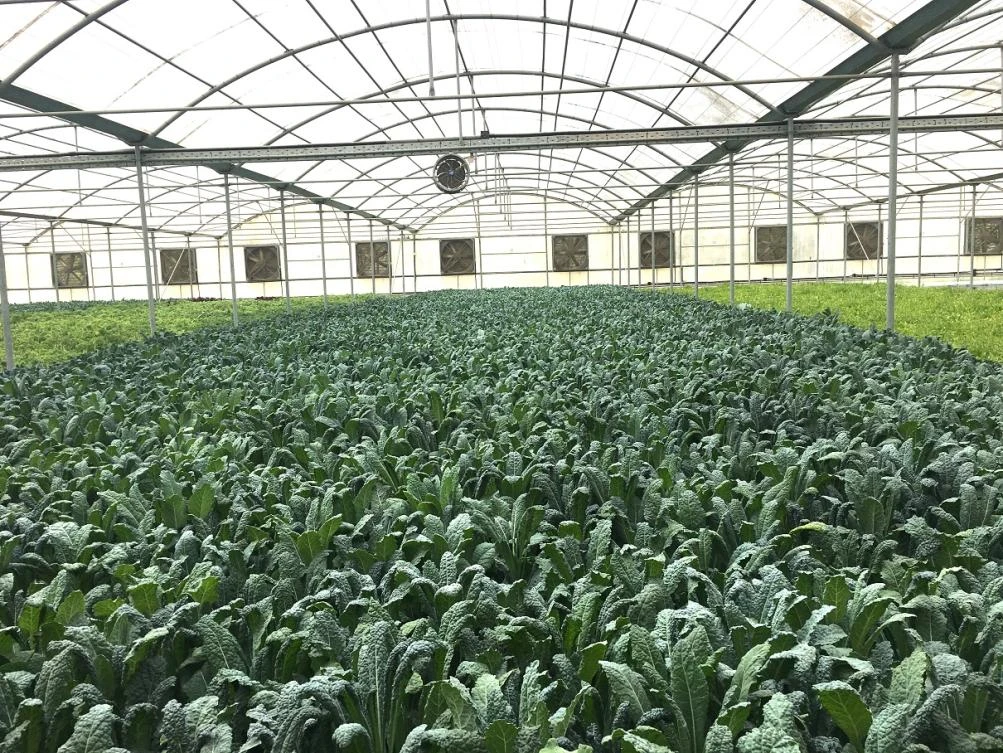
Global Food Industries, part of the Albatha Group, has developed a huge aqua farm in the UAE to produce kale, known as one of the healthiest superfoods due to its nutritional properties. Once it is harvested, it is rapidly processed and formed into aqua kale portions, which are then frozen to preserve their freshness, increasing shelf life while keeping the nutritional values at the peak.
Currently, the hotel/restaurants/café (HORECA) market does not have many functional healthy juices. Frozen aqua kale portions can be utilized in various forms, such as juices, salads, smoothies, sauce, tea, yogurt and bakery products to increase the health benefits for the end products.
“Kale can be offered at various restaurants across the GCC as a healthy snack. Aqua kale is made with 100 percent certified organic nutrient supplements, the major nutrient being from aquatic water which supports aquatic life and is said to be of high nutritional value for vegetables, especially leafy plants and herbs. Due to the highly efficient usage of water with 100 percent recycling water systems, we maximize every single drop and we produce up to 25 percent more food with the same water source in comparison with the conventional method.
This facility is the first of its kind in the region which is commercially successful and now our approach is more toward establishing a sustainable green ecosystem,” said Jacek Plewa, general manager at Global Food Industries.
He added: “This aqua kale is grown on water and the process is 100 percent organic-certified and the product is 100 percent pesticide-free, 100 percent natural and also has high nutritional and functional properties compared to kale grown on soil.
Another fact is that kale grown on soil is not free from pesticides, has very high microbial counts and chances of E Coli too.”
Aqua kale is grown in aquaponic conditions, which is an environmentlly-friendly method that helps in raising aquatic lives whilst producing better quality kale. Aquaponic is a combination of aquaculture and hydroponic systems in a symbiotic environment. It aims to encourage symbiotic partnerships that benefit all organisms within the ecosystem, reducing the impact on the local environment.
Currently, the hotel/restaurants/café (HORECA) market does not have many functional healthy juices. Frozen aqua kale portions can be utilized in various forms, such as juices, salads, smoothies, sauce, tea, yogurt and bakery products to increase the health benefits for the end products.
“Kale can be offered at various restaurants across the GCC as a healthy snack. Aqua kale is made with 100 percent certified organic nutrient supplements, the major nutrient being from aquatic water which supports aquatic life and is said to be of high nutritional value for vegetables, especially leafy plants and herbs. Due to the highly efficient usage of water with 100 percent recycling water systems, we maximize every single drop and we produce up to 25 percent more food with the same water source in comparison with the conventional method.
This facility is the first of its kind in the region which is commercially successful and now our approach is more toward establishing a sustainable green ecosystem,” said Jacek Plewa, general manager at Global Food Industries.
He added: “This aqua kale is grown on water and the process is 100 percent organic-certified and the product is 100 percent pesticide-free, 100 percent natural and also has high nutritional and functional properties compared to kale grown on soil.
Another fact is that kale grown on soil is not free from pesticides, has very high microbial counts and chances of E Coli too.”
Aqua kale is grown in aquaponic conditions, which is an environmentlly-friendly method that helps in raising aquatic lives whilst producing better quality kale. Aquaponic is a combination of aquaculture and hydroponic systems in a symbiotic environment. It aims to encourage symbiotic partnerships that benefit all organisms within the ecosystem, reducing the impact on the local environment.