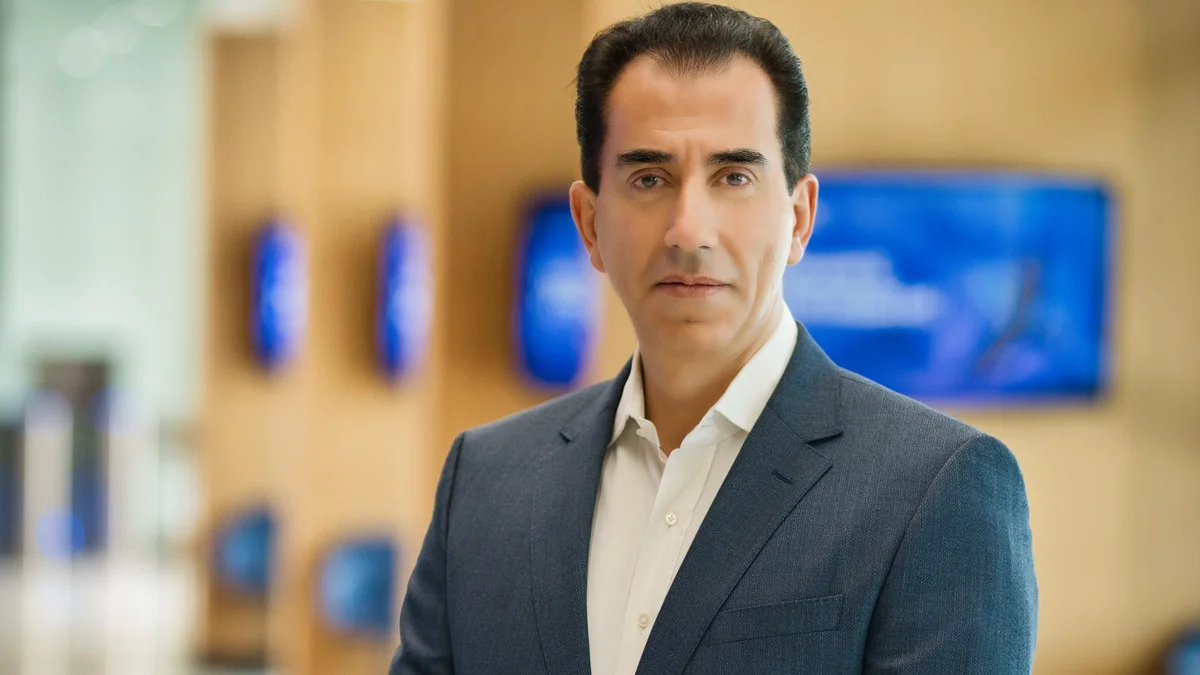
The Smart Hospital and Interoperability Zone at Arab Health 2024 hosted a high-level panel discussion on environmental sustainability in Middle Eastern healthcare. This pivotal session brought together industry leaders and experts to explore strategies for integrating sustainability into the region’s healthcare systems.
In 2023, the Department of Health — Abu Dhabi, the regulatory authority for healthcare in the emirate, set out ambitious healthcare sustainability goals. These objectives aim to reduce carbon emissions by 20 percent by 2030 and achieve net-zero emissions by 2050. The initiative aims to establish a clear roadmap for sustainable healthcare progress, fostering alignment across the ecosystem.
During the session, Jacqui Rock, chief commercial officer of the National Health Service England, emphasized the importance of collaboration with innovative suppliers in advancing sustainability goals. “It is about working hand in hand with innovative suppliers, and embracing the phenomenal medtech out there. While the new technology coming out is mind-blowing, we must always ask how this technology will affect sustainability and the greener agenda. This is something in the NHS we are pushing hard for,” he said.
Con McGarry, senior consultant, Arcadia Health, stressed the necessity to make a case for sustainability in healthcare more visible, saying: “How do you demonstrate to people that the actions they are putting in have a visible impact? We should be collecting all the data into a central performance management system to enable meaningful conversations about what we are doing and whether we are doing it correctly and taking the correct actions.”
Meanwhile, Richard Cantlay, global healthcare leader, Mott MacDonald, underlined the urgent need to break the vicious cycle in healthcare. He said: “This is a cycle that needs to be broken. When you stand back and think about the narrative, which is that health systems are leading to climate change, which is giving people poor health, which is, in turn, increasing demand — it is obvious that healthcare systems need to deal with the issue of sustainability.”
The organizers of Arab Health, Informa Markets, made several additions to the exhibition to make it more sustainable, including utilizing renewable electricity, notably decreasing the event’s carbon footprint. Additionally, a range of eco-friendly practices have been introduced, such as endorsing public transportation through marketing channels and implementing digital solutions like digital badges and paperless registration to minimize material waste. The introduction of the Better Stands program further incentivized exhibitors and partners to embrace reusable stand structures.
Arab Health 2024, which concluded on Feb. 1 at the Dubai World Trade Centre, showcased groundbreaking technologies at the Smart Hospital and Interoperability Zone, offering immersive demonstrations highlighting the seamless integration of cutting-edge medical equipment and various technologies.
Partnering with Cleveland Clinic Abu Dhabi, the zone featured four demonstration rooms spotlighting advancements in labor and delivery, intensive care, and more.