- Birth at Neom Nature Reserve points to successful adaptation and breeding in the wild
JEDDAH: The birth of a striped hyena cub in the Neom Nature Reserve marks a significant step toward establishing a self-sustaining wild population of the endangered species in Saudi Arabia, according to the National Center for Wildlife.
The female and her cub were documented in August, nine months after two breeding pairs were released into designated areas of the reserve.
The hyenas were released in November 2025 after assessments confirmed the suitability of their habitat and the availability of natural resources. The reintroduction was overseen by a joint specialist team from the NCW and Neom reserve.
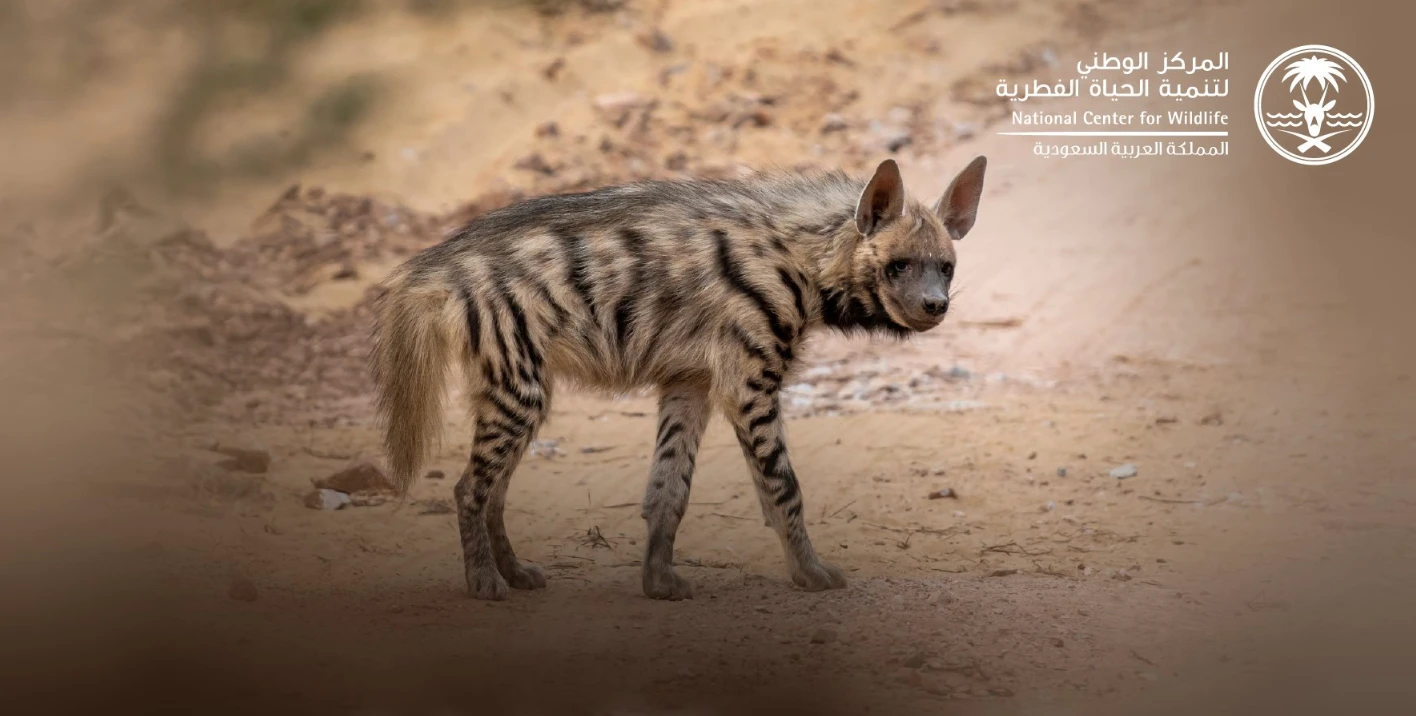
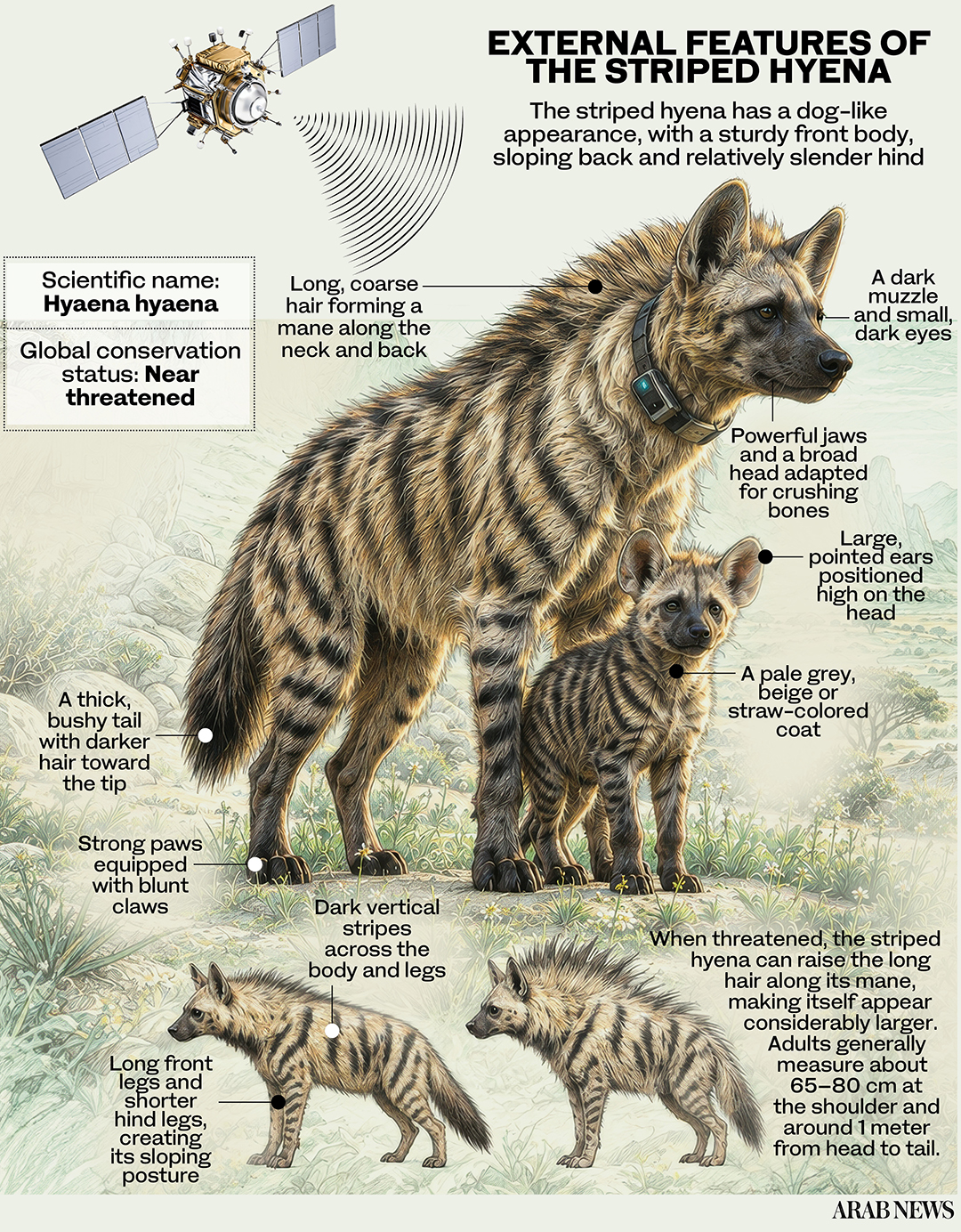
NCW CEO Dr. Mohammed Qurban told Arab News: “The reintroduced hyenas are being monitored through an integrated system to ensure their safety. Satellite tracking collars are used to monitor their movements and home ranges, while camera traps positioned across the site record their behavior.
“Visual records show the mother caring for her cub naturally, while the cub appeared to be in good health as it played around the den. Specialist field and veterinary teams are also monitoring their health and behavioral development remotely to ensure that they fully adapt to conditions in the wild without disrupting their natural behavior.”
The NCW, in collaboration with Neom, announced the birth earlier in August, describing it as a positive indication that the animals had adapted successfully to the reserve and were reproducing in the wild.
Before their release, the two breeding pairs underwent a rehabilitation program at an NCW wildlife care facility, including veterinary examinations, health monitoring and preparation for their transition to the wild.
A specialist NCW team also conducted a field assessment to ensure the reintroduction site was ecologically suitable and ready to support the species.
Reintroduction programs target suitable habitats within a species’ natural geographical range, particularly areas where populations have disappeared or declined to unsustainable levels. The Neom site was selected on this basis.
“No published scientific evidence is available documenting the birth of a striped hyena in the area. However, the species’ historical presence has been confirmed through several records and scientific surveys, and the reserve lies within its natural geographical range,” Qurban said.
“This birth is an important indication of the success of efforts to reintroduce the striped hyena. It confirms that the animals are capable of adapting to and breeding in their natural habitat,” he added.
“It also represents a step toward establishing a sustainable wild population capable of reproducing independently, helping to restore the species’ ecological role, achieve ecological balance and support the long-term sustainability of its population in the Kingdom.”

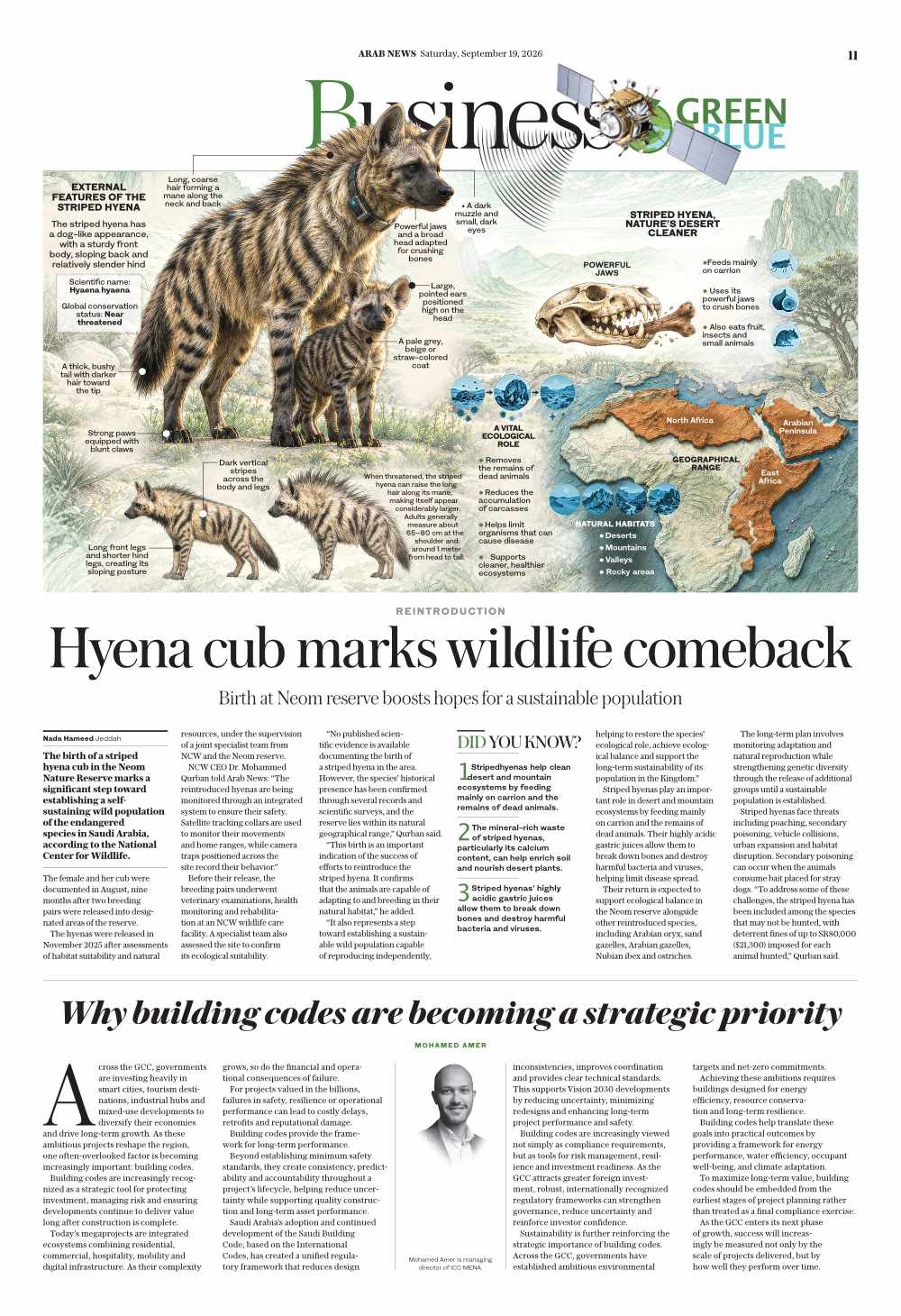
Striped hyenas play an important role in desert and mountain ecosystems, acting as “nature’s cleaners” by feeding mainly on carrion and the remains of dead animals.
Their highly acidic gastric juices enable them to digest bones and destroy harmful bacteria and viruses, helping limit the spread of disease among other animals.
Their mineral-rich waste, particularly its calcium content, also enriches the soil and supports desert vegetation. By preying on sick or weak animals, hyenas can further contribute to the health of herbivore populations.
Their return is expected to help restore ecological balance in the Neom reserve alongside other reintroduced species, including Arabian oryx, sand gazelles, Arabian gazelles, Nubian ibex and ostriches.
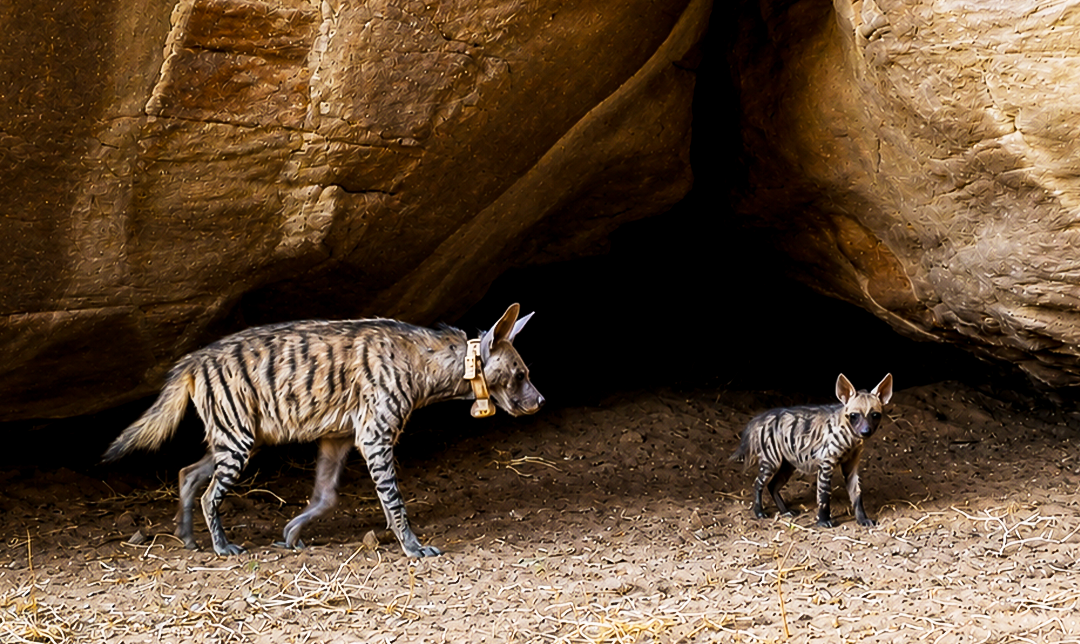
By removing carrion, the hyenas could also help limit disease transmission and support the ecosystem’s natural recovery.
The long-term reintroduction plan includes monitoring the animals’ adaptation and natural reproduction while strengthening genetic diversity through the release of additional groups until a sustainable population is established.
Striped hyenas face several threats in Saudi Arabia, including poaching, secondary poisoning, vehicle collisions, urban expansion and other human activities that affect their habitats and breeding areas.
Poaching is often linked to misconceptions about the species and concerns among livestock owners that hyenas may attack their herds.
Secondary poisoning is another significant threat, as the animals can consume poisoned bait intended for stray dogs.
“To address some of these challenges, the striped hyena has been included among the species that may not be hunted, with deterrent fines of up to SR80,000 ($21,300) imposed for each animal hunted,” Qurban said.
“In addition, expanding the network of nature reserves and reintroducing striped hyenas provide safe havens where they can live away from human activity and road traffic. These efforts are accompanied by intensified awareness campaigns aimed at correcting common misconceptions and highlighting the species’ vital role in protecting public health and limiting the spread of disease.”