BEIRUT: The founder of Daesh news agency was reportedly killed with his daughter in an airstrike last week in eastern Syria, Syrian activists said Thursday.
The militant group itself has not reported the death of the founder of Aamaq news agency, Baraa Kadek. Activists said Kadek was close to the Daesh leadership, gaining their trust and reportedly meeting with the enigmatic leader Abu Bakr Al-Baghdadi.
His brother, Hozaifa, and former friends reported his death, saying he died in a suspected airstrike by the US-led international coalition that hit his home in Mayadeen town in Deir Ez-Zor province.
The brother posted the announcement on his Facebook page. A former colleague of Kadek said he and his daughter and wife were injured in an airstrike last Friday but that he died of his wounds Wednesday. Mohammed Khaled, executive manager of Aleppo 24, an activist-operated media platform and a former friend of Kadek, said his wife remains in critical condition.
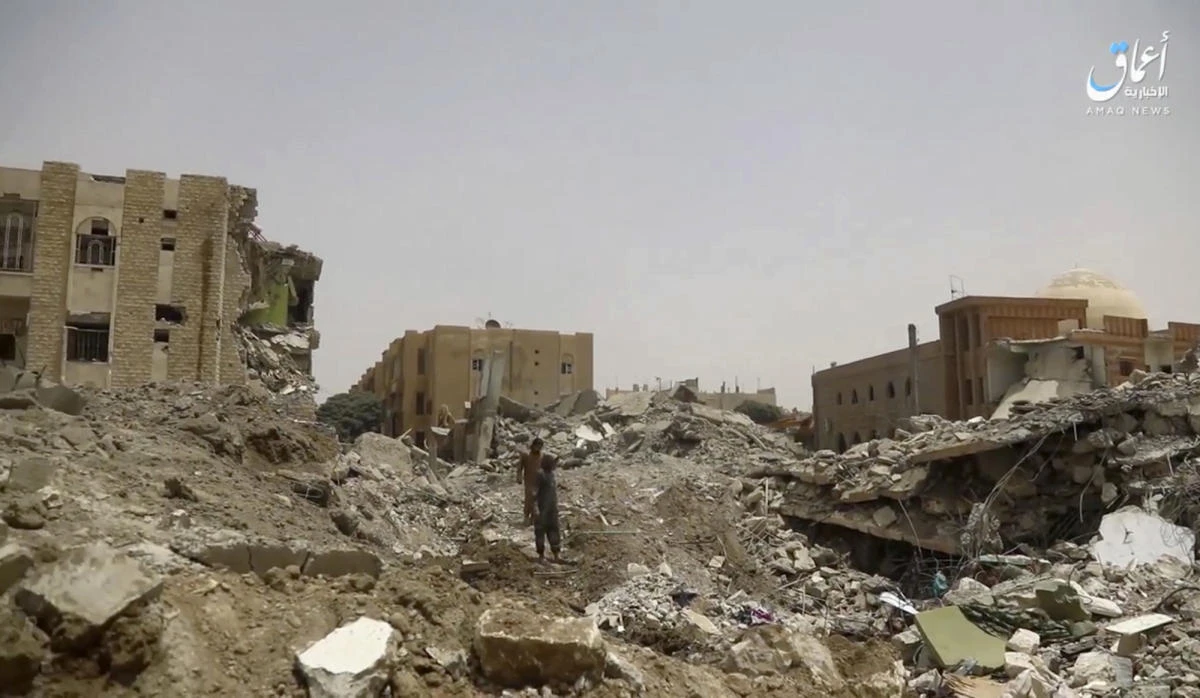
There was no immediate comment from the coalition. Last week, the coalition told The Associated Press it had carried out a series of airstrikes on May 25 and 26 targeting Daesh media infrastructure and “propaganda facilities.” It said at the time that targeting such facilities “degrades” the group’s capabilities and its tools to inspire attacks on foreign lands.
At the time, activists said the coalition airstrikes killed at least 35 civilians, including family members of Daesh.
Mayadeen has become a refuge for Daesh leaders as the group comes under attack in Mosul in Iraq and their de-facto capital Raqqa in Syria. Some Syria watchers said the group’s media operations have moved to Mayadeen as the coalition and allied Syrian Kurdish-led forces close in on Raqqa.
Khaled said Kadek became close and trusted by the leadership of Daesh after he supported their presence in Aleppo city in 2013. The militants later clashed with other rebel factions, who chased them out of the city.
Khaled said Kadek met with Al-Baghdadi in 2014 in Iraq during an introduction to the Aamaq network.
“He even bragged in one of his posts about being ‘honored’ by a meeting with Al-Baghdadi,” Khaled said, speaking from Syria. Kadek was also a friend of Abu Mohammed Al-Adnani, Daesh’s powerful spokesman who was killed in an airstrike in Aleppo in September 2016.
Aamaq news agency — which surfaced in 2014 — has become the group’s fastest and most reliable source of information. The militants have used it to post news, videos and claims of their attacks worldwide. It has remained online despite bans from social media platforms. The group has other media outlets, including a daily-recorded news bulletin and a weekly magazine.
Kadek was first known for his support of the moderate opposition and rebel groups, founding a media platform to cover their news. Khaled said Kadek’s transformation was remarkable and came as funds dried up for the network he founded in the early days of the revolt against Syria’s regime.
Originally from Aleppo province, he later joined Daesh in 2013, covered their activities in Aleppo and later moved on to found the group’s flagship media arm.
Meanwhile, about 10,000 civilians have fled to a camp just north of Daesh’s bastion of Raqqa with hundreds more arriving each day as the battle for the city nears, Medecins Sans Frontieres (MSF) said on Thursday.
Residents are escaping Raqqa under cover of night as US-backed forces close in, taking their chances against minefields and hostile fighters rather than risking death in a major battle expected to begin soon.
“It is not a massive exodus, but about 800 people a day are arriving in Ain Issa every day,” Natalie Roberts, an emergency doctor from MSF France who had just returned from the region, told reporters.
The camp in Ain Issa village is run by the US-backed Syrian Democratic Forces, which is made up predominantly of Kurdish fighters, who have now arrived to within 3 km of Raqqa and plan to press on with the assault on Daesh.
The SDF had planned to make the camp a transit point for civilians. But the need to register each person and with many not having an alternative destination to travel to, the camp has expanded to beyond its 6,000-person capacity, Roberts said.
Conditions have deteriorated especially due to the summer heat. The UN and other aid groups have yet to establish themselves in the zone, she said.
MSF is providing basic care including vaccinations, maternity care and treatment of chronic conditions. People with war wounds, mostly caused by mines, are being sent to three MSF hospitals further north.
It is unclear how many people remain in Raqqa. The city’s population was estimated at 200,000 before the recent departures.
Roberts said that coalition bombing in Raqqa had appeared to be well targeted so far, but that the city’s hospitals would not be equipped to handle the sort of injuries resulting from an intensification.
The militant group itself has not reported the death of the founder of Aamaq news agency, Baraa Kadek. Activists said Kadek was close to the Daesh leadership, gaining their trust and reportedly meeting with the enigmatic leader Abu Bakr Al-Baghdadi.
His brother, Hozaifa, and former friends reported his death, saying he died in a suspected airstrike by the US-led international coalition that hit his home in Mayadeen town in Deir Ez-Zor province.
The brother posted the announcement on his Facebook page. A former colleague of Kadek said he and his daughter and wife were injured in an airstrike last Friday but that he died of his wounds Wednesday. Mohammed Khaled, executive manager of Aleppo 24, an activist-operated media platform and a former friend of Kadek, said his wife remains in critical condition.
There was no immediate comment from the coalition. Last week, the coalition told The Associated Press it had carried out a series of airstrikes on May 25 and 26 targeting Daesh media infrastructure and “propaganda facilities.” It said at the time that targeting such facilities “degrades” the group’s capabilities and its tools to inspire attacks on foreign lands.
At the time, activists said the coalition airstrikes killed at least 35 civilians, including family members of Daesh.
Mayadeen has become a refuge for Daesh leaders as the group comes under attack in Mosul in Iraq and their de-facto capital Raqqa in Syria. Some Syria watchers said the group’s media operations have moved to Mayadeen as the coalition and allied Syrian Kurdish-led forces close in on Raqqa.
Khaled said Kadek became close and trusted by the leadership of Daesh after he supported their presence in Aleppo city in 2013. The militants later clashed with other rebel factions, who chased them out of the city.
Khaled said Kadek met with Al-Baghdadi in 2014 in Iraq during an introduction to the Aamaq network.
“He even bragged in one of his posts about being ‘honored’ by a meeting with Al-Baghdadi,” Khaled said, speaking from Syria. Kadek was also a friend of Abu Mohammed Al-Adnani, Daesh’s powerful spokesman who was killed in an airstrike in Aleppo in September 2016.
Aamaq news agency — which surfaced in 2014 — has become the group’s fastest and most reliable source of information. The militants have used it to post news, videos and claims of their attacks worldwide. It has remained online despite bans from social media platforms. The group has other media outlets, including a daily-recorded news bulletin and a weekly magazine.
Kadek was first known for his support of the moderate opposition and rebel groups, founding a media platform to cover their news. Khaled said Kadek’s transformation was remarkable and came as funds dried up for the network he founded in the early days of the revolt against Syria’s regime.
Originally from Aleppo province, he later joined Daesh in 2013, covered their activities in Aleppo and later moved on to found the group’s flagship media arm.
Meanwhile, about 10,000 civilians have fled to a camp just north of Daesh’s bastion of Raqqa with hundreds more arriving each day as the battle for the city nears, Medecins Sans Frontieres (MSF) said on Thursday.
Residents are escaping Raqqa under cover of night as US-backed forces close in, taking their chances against minefields and hostile fighters rather than risking death in a major battle expected to begin soon.
“It is not a massive exodus, but about 800 people a day are arriving in Ain Issa every day,” Natalie Roberts, an emergency doctor from MSF France who had just returned from the region, told reporters.
The camp in Ain Issa village is run by the US-backed Syrian Democratic Forces, which is made up predominantly of Kurdish fighters, who have now arrived to within 3 km of Raqqa and plan to press on with the assault on Daesh.
The SDF had planned to make the camp a transit point for civilians. But the need to register each person and with many not having an alternative destination to travel to, the camp has expanded to beyond its 6,000-person capacity, Roberts said.
Conditions have deteriorated especially due to the summer heat. The UN and other aid groups have yet to establish themselves in the zone, she said.
MSF is providing basic care including vaccinations, maternity care and treatment of chronic conditions. People with war wounds, mostly caused by mines, are being sent to three MSF hospitals further north.
It is unclear how many people remain in Raqqa. The city’s population was estimated at 200,000 before the recent departures.
Roberts said that coalition bombing in Raqqa had appeared to be well targeted so far, but that the city’s hospitals would not be equipped to handle the sort of injuries resulting from an intensification.