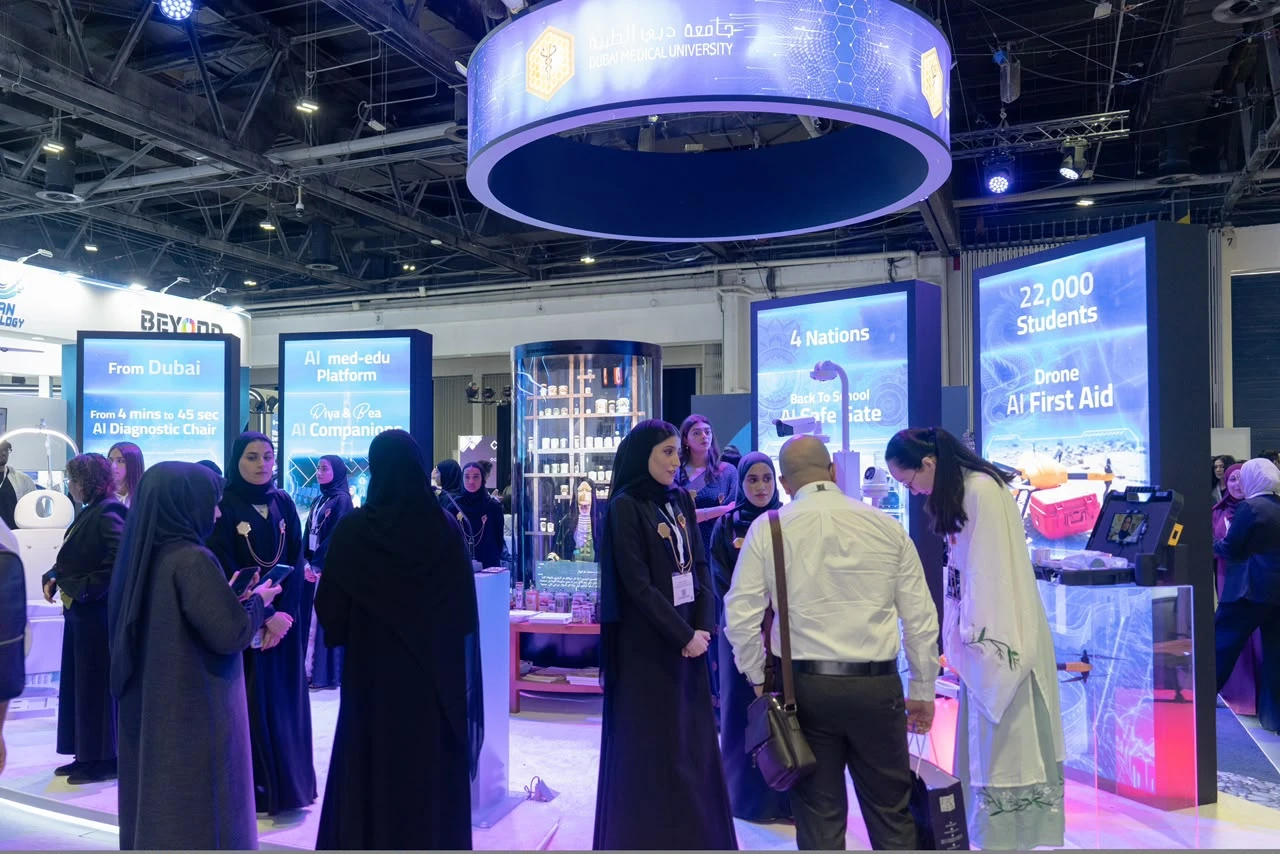
DUBAI: Dubai Medical University is developing artificial intelligence systems to speed up hospital triage, guide first aid in remote locations and flag potential illnesses among students, as it expands its healthcare innovation program.
Hessa Yahya Lootah, head of AI and innovation at Dubai Medical University, told Arab News the university is working to develop practical applications of AI that could support healthcare professionals, improve emergency response and help identify potential health concerns earlier.
One of the projects is the AI Diagnostics Vital Chair, which aims to optimize the triage process in hospitals.
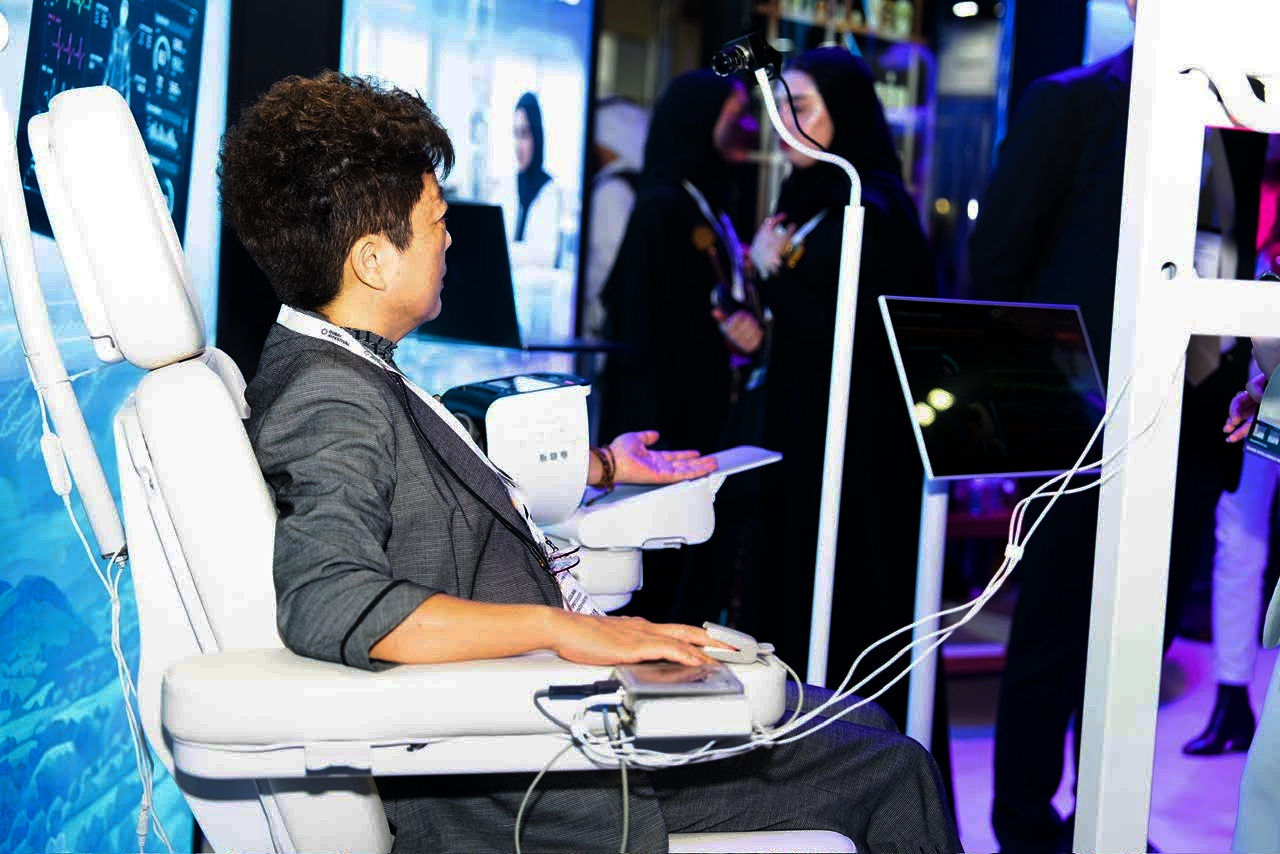
“Using AI technology, cameras and sensors, the chair can measure a patient’s weight, height, blood pressure, heart rate, respiratory rate and skin temperature, then connect the information directly to the doctor. Our aim is to make the process faster while maintaining accuracy,” explained Lootah.
“Typically, triage can take around five to seven minutes. We have developed a chair that aims to reduce the process to around 45 seconds, compared with an average of approximately four minutes in our current measurements,” added Lootah.
Lootah said the chair could free up time and space, allowing doctors to focus on examining patients, diagnosing their conditions and discussing treatment, rather than spending so much time on the initial assessment.
“We want to make the process as easy as possible for patients because coming to a hospital can already be stressful,” she added.
The university is working to commercialize this technology and develop it into a complete system as currently it remains a prototype that is yet to be perfected.
“One of our biggest challenges is lighting. The technology relies partly on light reflected on the face, so dim lighting or glare can affect the readings. We are working to make the system more adaptable to different lighting conditions, skin tones and skin conditions,” she said.
The university is also developing a medical assistance drone designed to reach remote locations and provide quick medical aid.
“The drone would be deployed to the injured person and provide access to a first-aid kit with an AI system built into it.
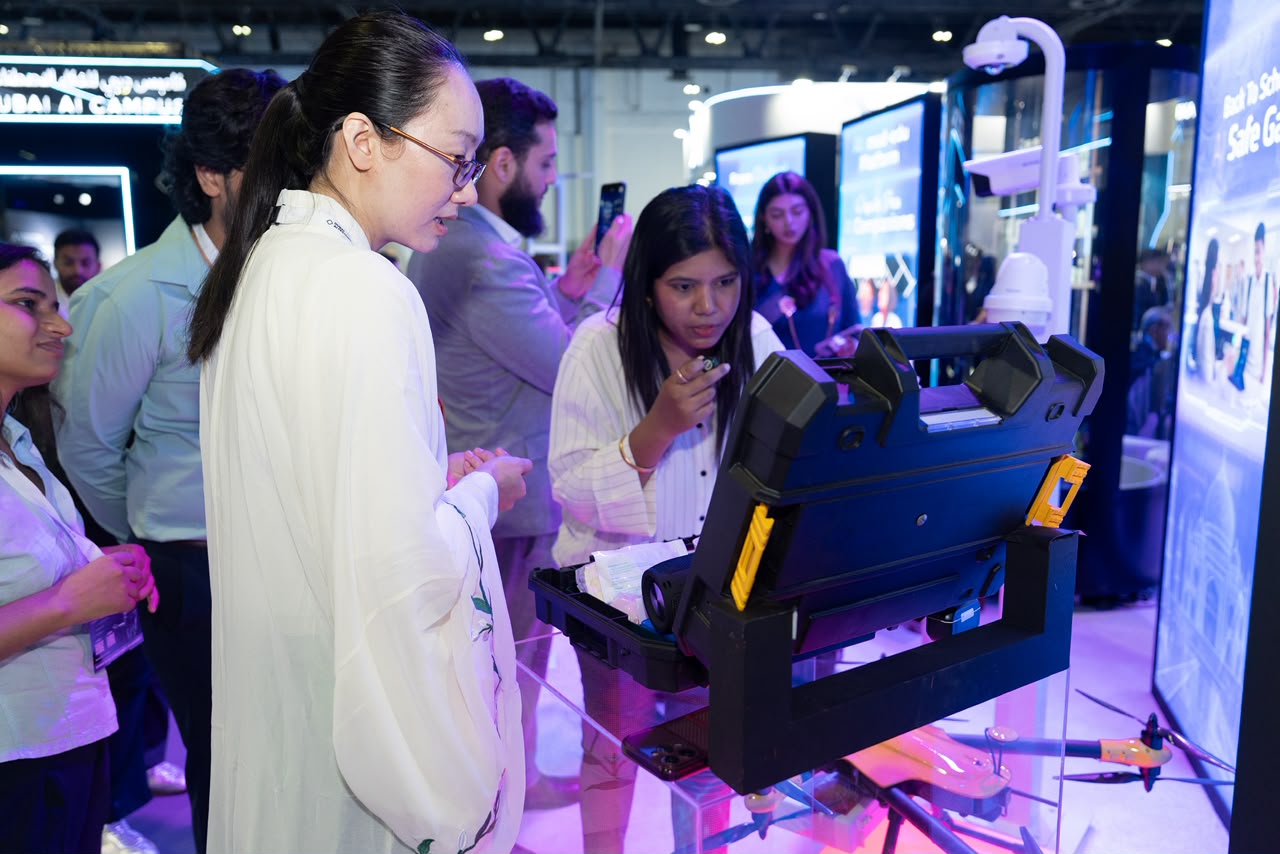
“The system is programmed around the kit’s six compartments. Depending on the nature of the injury, it would assess the situation and guide the person through the appropriate steps,” she explained.
The drone is intended as an initial response while emergency assistance is on its way.
The use of AI in this instance is designed specifically to be an offline system to help provide aid in areas where network connection is unavailable or unstable.
“If a connection is available, the plan is for a doctor to be reachable. But if communication is difficult, the AI system could provide a first line of assistance. We are still at the prototype stage and have not finalized the deployment logistics,” explained Lootah.
Another technology currently in development is an AI Safe Gate for schools and universities that uses thermal cameras to flag students with potentially abnormal temperatures.
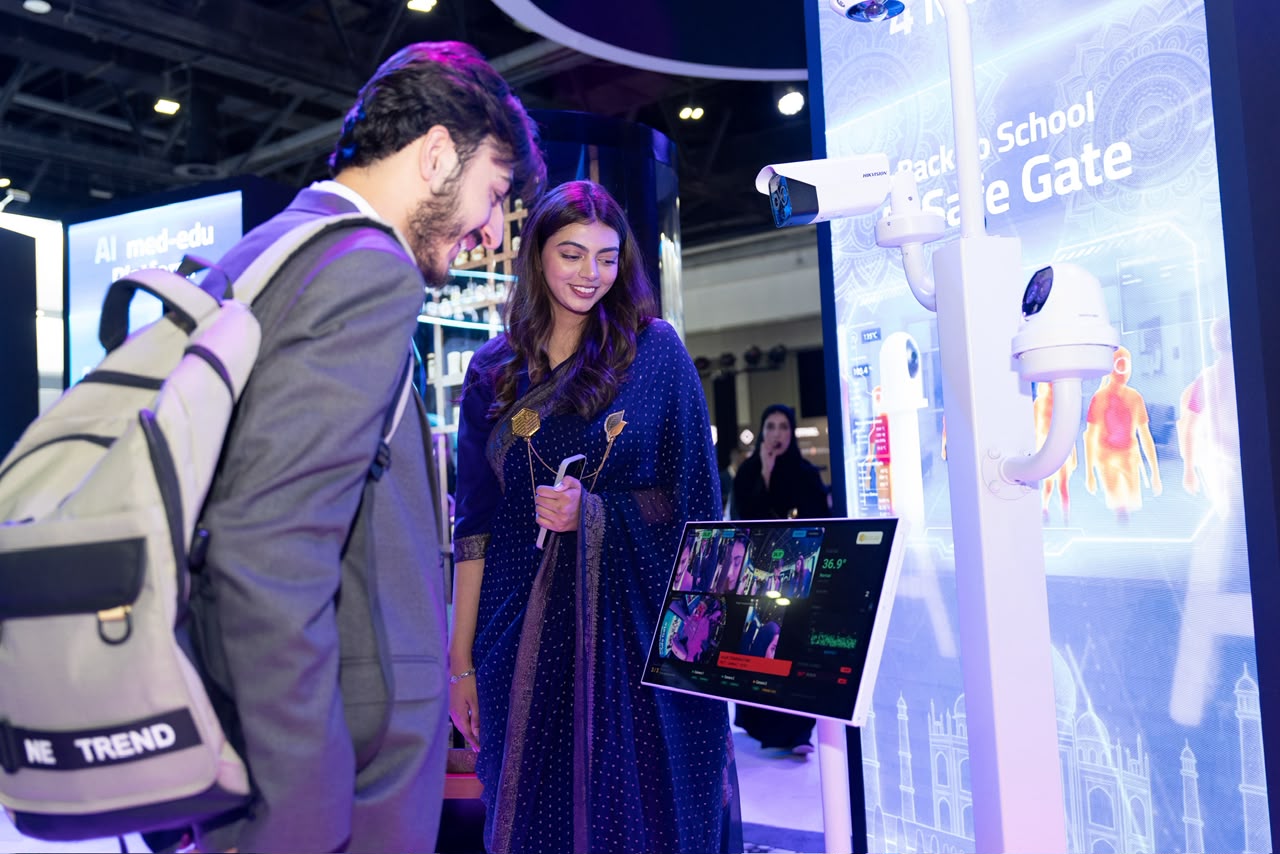
The system alerts administrators and nursing staff, who can assess whether further action is needed. Lootah said the system aims to help identify potential health concerns early and limit the spread of illness among students.
Lootah said AI has helped reshape the way healthcare operates, allowing them to improve quality of life.
“Students are thinking about developing applications and systems that make life easier for healthcare professionals and other people. AI has opened the door to more opportunities, and the field continues to expand,” she explained.