- Abdullatif Al-Zayani slams attacks by Iran, Houthis allies in Yemen
- UN needs ‘not more resolutions, but a greater capacity to implement them’
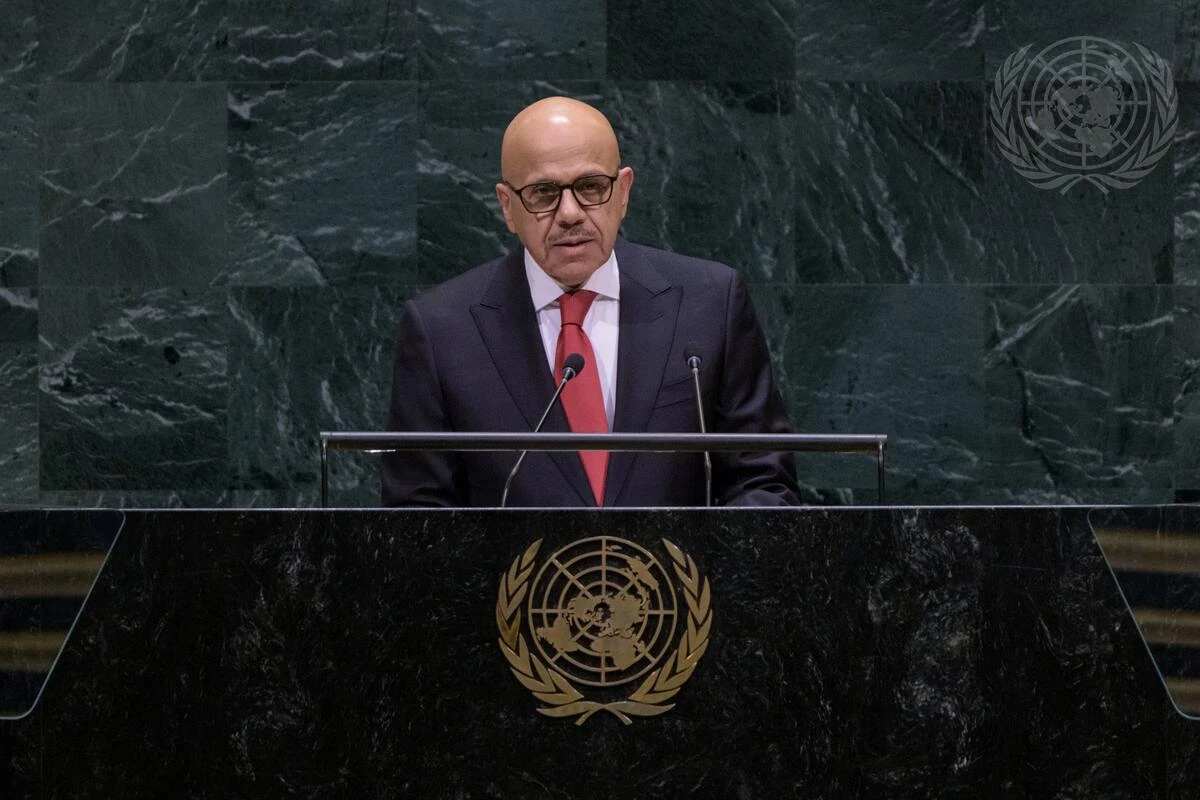
TORONTO: The Gulf is facing its most severe security crisis in decades, Bahrain’s foreign minister told the UN General Assembly on Friday, accusing Iran of carrying out “waves of unjustified attacks” on Arab states.
The attacks — which involve ballistic missiles and drones aimed at civilian infrastructure, residential areas, ports, airports and energy facilities — are “indiscriminate” and a “flagrant violation of international law and the UN Charter,” Abdullatif Al-Zayani said.
He also condemned attacks by the Iran-backed Houthi militia on civilian and Islamic holy sites in Saudi Arabia, as well as threats to freedom of navigation in the Bab Al-Mandab Strait and the Red Sea.
Al-Zayani said Bahrain “renews its full solidarity” with the countries affected, praising Gulf states’ defense forces for their handling of the attacks and reaffirming their right to self-defense under international law.
The right of transit through the Strait of Hormuz is guaranteed to all states under the UN Convention on the Law of the Sea and cannot be suspended, obstructed or made subject to unilateral conditions, he stressed.
Bahrain “categorically rejects” any permit or fee regime imposed on the passage and “the use of international waterways as instruments of pressure, economic coercion or any attempt at the seizure of vessels,” he added.
“Such actions would set an extremely dangerous precedent because what’s accepted today in one strait may be demanded tomorrow in every international waterway upon which global trade depends.
“The right of passage doesn’t cease to exist because alternatives are available, nor does the violation cease just because those affected have found ways to reduce the loss.”
The threat is not confined to the Strait of Hormuz but extends to Bab Al-Mandab, the Gulf of Aden and the Red Sea, which are all part of the same system, he added.
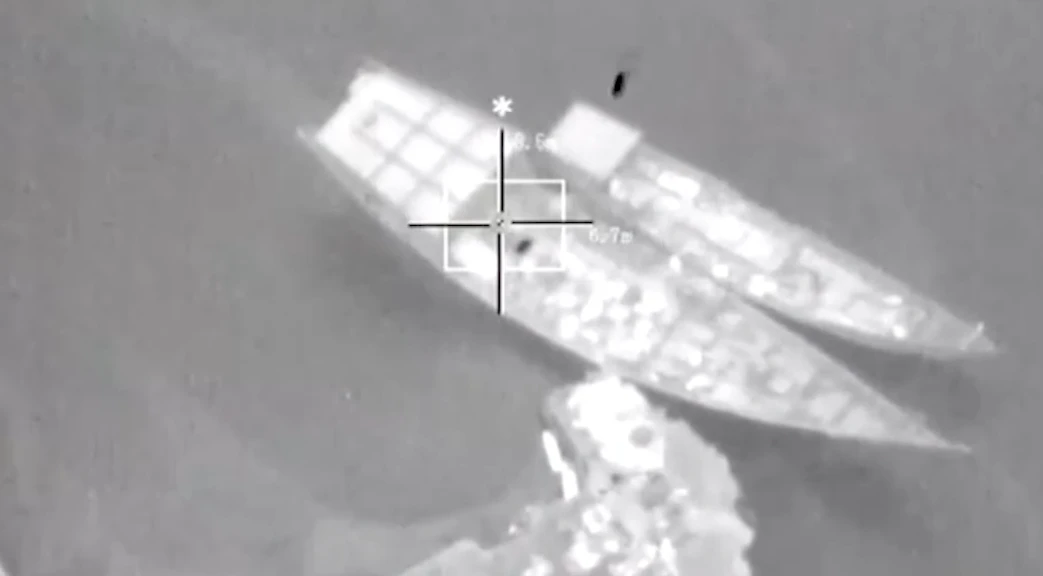
Passage restrictions, along with the targeting of commercial vessels in the Strait of Hormuz and mines laid in an international shipping lane, have a ripple effect extending beyond the Arabian Gulf — driving up energy and food prices, shipping and insurance costs, and disrupting supply chains worldwide, he said.
A waterway is much more than a “security issue” for coastal countries; it is an “artery of development through which the food, medicine and energy of entire nations flow,” Al-Zayani added.
“When a single waterway is disrupted, the cost is felt by a family in a country that doesn’t have a coastline.”
The “test of the UN’s credibility isn’t only confined to our waters,” Al-Zayani said, reaffirming Bahrain’s support for an independent, geographically contiguous Palestinian state living alongside Israel in peace and security.
He also expressed Bahrain’s support for Syria’s unity and territorial integrity, and for lifting sanctions to help Syrians rebuild.
He called for an immediate ceasefire and unhindered humanitarian access in Sudan, and renewed support for a UN-led political solution in Yemen under the country’s legitimate government.
He closed by saying the UN needs “not more resolutions, but a greater capacity to implement them. A resolution adopted but not implemented has no value, and a right that’s recognized but not protected has no value or meaning.”