- Israeli govt still using the banned and harmful substance, say activists
- Gaza resident tells Arab News of Israeli drones dropping the chemical
LONDON: Hala Alakhsham woke up recently to “a foul, rotten smell in the truest sense of the word,” but the Gaza City cook found nothing after searching her home for the source, she said in an Instagram video on Sept. 23.
Turning to social media, she found others across the Palestinian territory describing the same odor.
The smell was so pervasive, Alakhsham said, that she began to question whether it was real. She later said she believed, based on reports from other users, that Israeli drones had released a foul-smelling substance into the air.
Local journalists said small “bubbles” containing a malodorous substance had fallen in Gaza City’s Tuffah and Daraj neighborhoods.
Similar accounts soon emerged elsewhere in Gaza. Over the following week, residents said they detected the odor in Beit Lahia and other parts of northern Gaza.
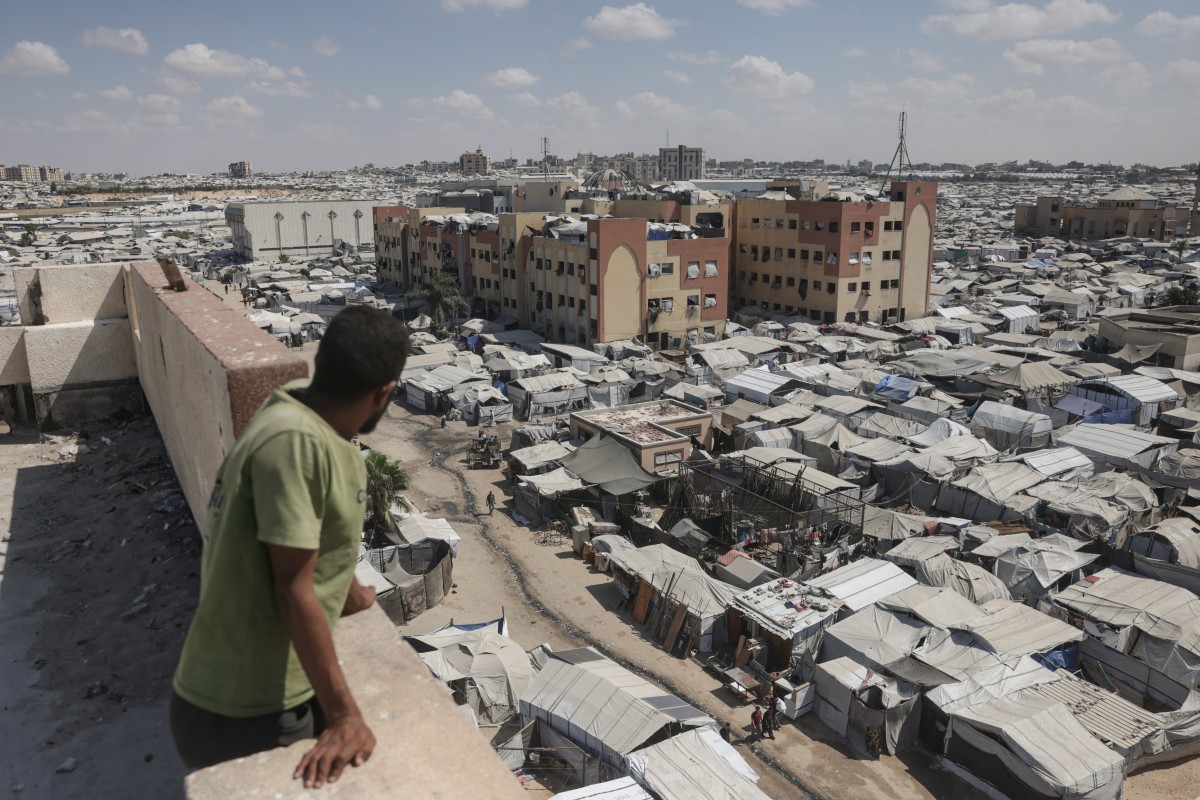
They described an overpowering, sewage-like stench that drifted into crowded displacement camps and left some people struggling to breathe.
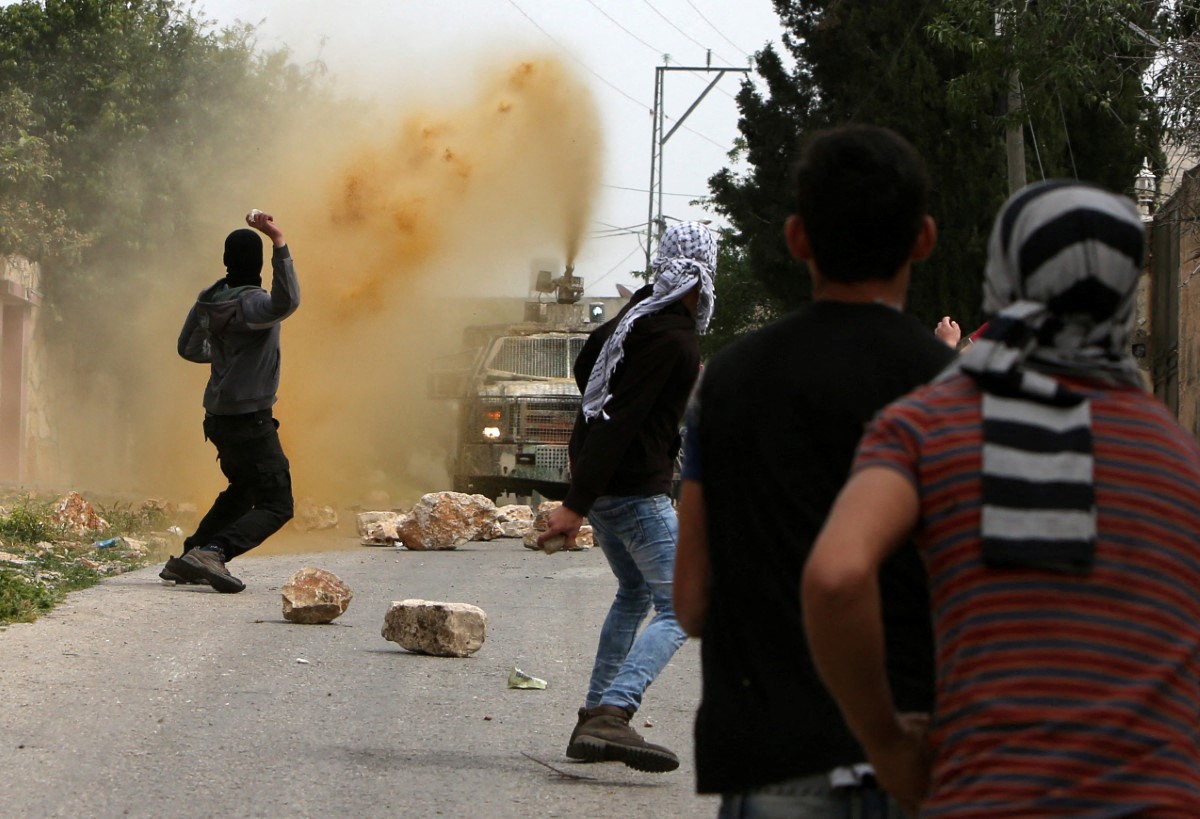
Residents and local journalists said the smell could have been the product of sprayed “skunk water,” a foul-smelling liquid that Israeli authorities have long used as a crowd-control measure. The substance is known for clinging to people, homes and surrounding areas for days.
The reports have renewed attention on “skunk,” a malodorous fluid that Israeli security forces have used for years to disperse Palestinian protesters in the occupied West Bank.
Israeli authorities began using skunk water in 2009 during demonstrations in West Bank villages including Bilin, Nilin, Kafr Qaddum and Nabi Saleh, according to the Who Profits Research Center, an organization that tracks corporate involvement in Israeli-occupied territory.
The group says the substance was developed jointly by Israel’s police and Odortec, an Israeli company that develops “nonlethal, scent-based repellents for law enforcement.”
Its use has drawn criticism from civil rights advocates, particularly when deployed in densely populated neighborhoods.
In a November 2014 letter urging police to stop using skunk spray in East Jerusalem, the Association for Civil Rights in Israel said the practice caused “severe, lasting and extensive harm” to residents of affected areas.
The organization said the liquid could cause nausea and vomiting while contaminating homes, shops and vehicles with a “foul and suffocating stench” that lingered for days.
Tens of thousands of East Jerusalem residents, it said, had been forced to live with the odor, reporting difficulty breathing, eating and sleeping, as well as humiliation.
The letter also cited police safety guidance warnings that inhalation could impair officers, with prolonged exposure causing allergic reactions, gagging, excessive coughing and suffocation.
The guidance instructed operators to wear protective equipment, including gloves, a mouth shield and a high-quality P2 filter.
Odortec has said skunk is made with “100 percent food-grade ingredients” and is harmless to people and the environment. In a 2015 report, the BBC said the company described its formula as containing yeast, baking powder and water.
But reports from people exposed to the substance have raised questions about its effects. The BBC reported that the odor can remain on skin, clothing and in the environment for days, sometimes longer.
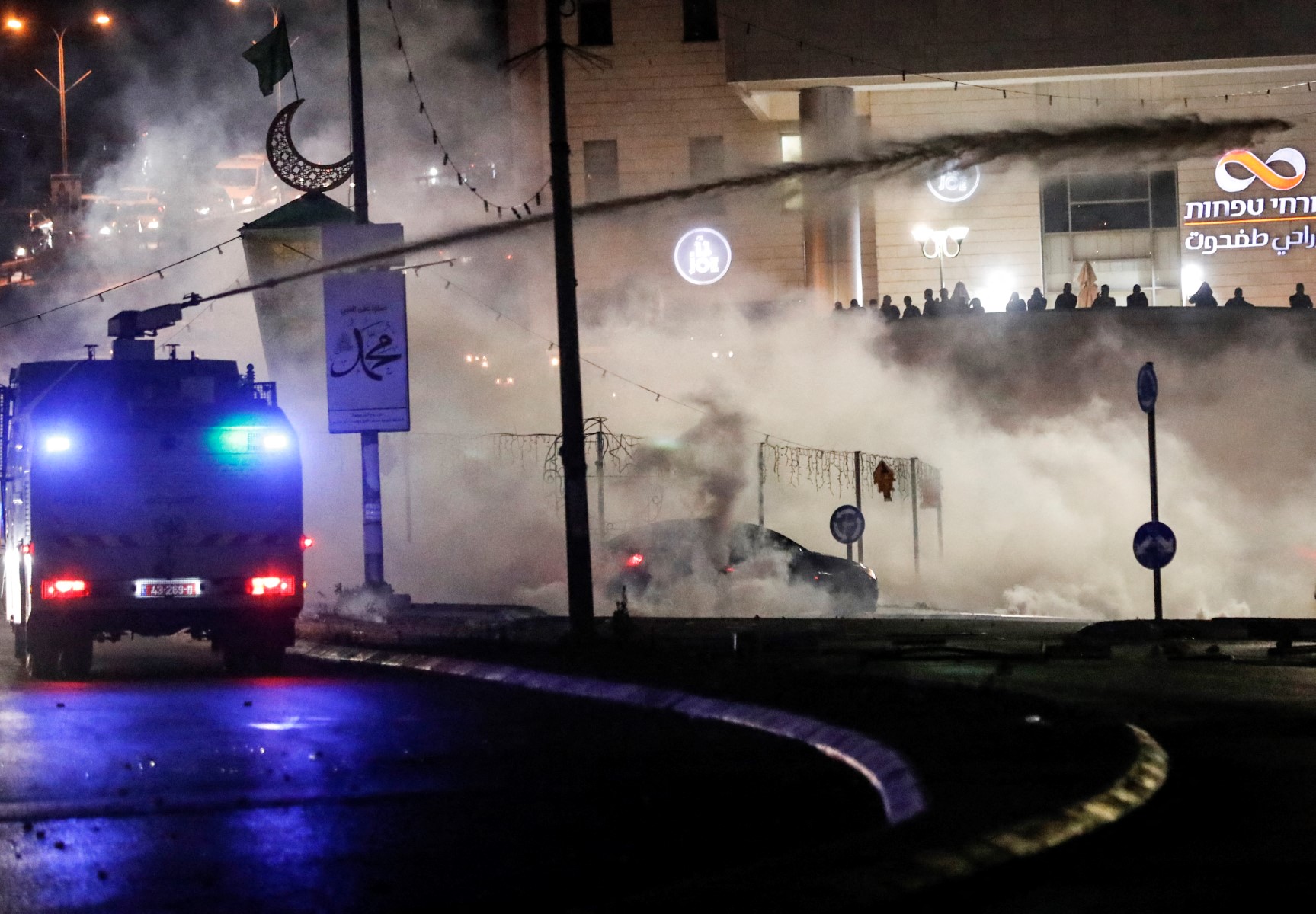
In May, the Israeli parliament, or Knesset, approved legislation barring police from using skunk against protesters, according to Israeli media. The law noted that the liquid leaves a lingering stench in the air and on the clothing of those sprayed with it.
The Times of Israel reported that the substance’s composition “is shrouded in mystery” and that authorities had declined to reveal its precise ingredients. The outlet also reported that some people exposed to it had described “skin irritation, shortness of breath and headaches.”
For some Gazans, however, the reports from Gaza City recalled earlier episodes.
Maysa Youssef, an artist living in central Gaza, said she had noticed a similar odor about two months before the September reports. On calm nights, she said, the air in her area is usually gentle, particularly when it blows from the east.
“About two months ago, at night, when the weather would be calm, quiet and pleasant, and the air gentle, I began to smell a very foul odor,” Youssef told Arab News.
“I would say to my husband, ‘God help the people in the tents. Could it be that someone has opened a cesspit now?’”
Her initial explanation reflects the increasingly desperate sanitation conditions in Gaza.
“We have no infrastructure here, so people dig cesspits in the ground for toilets,” Youssef said. “When one reaches a certain point, they cover it with sand and open another one. They open one about every week or two.”
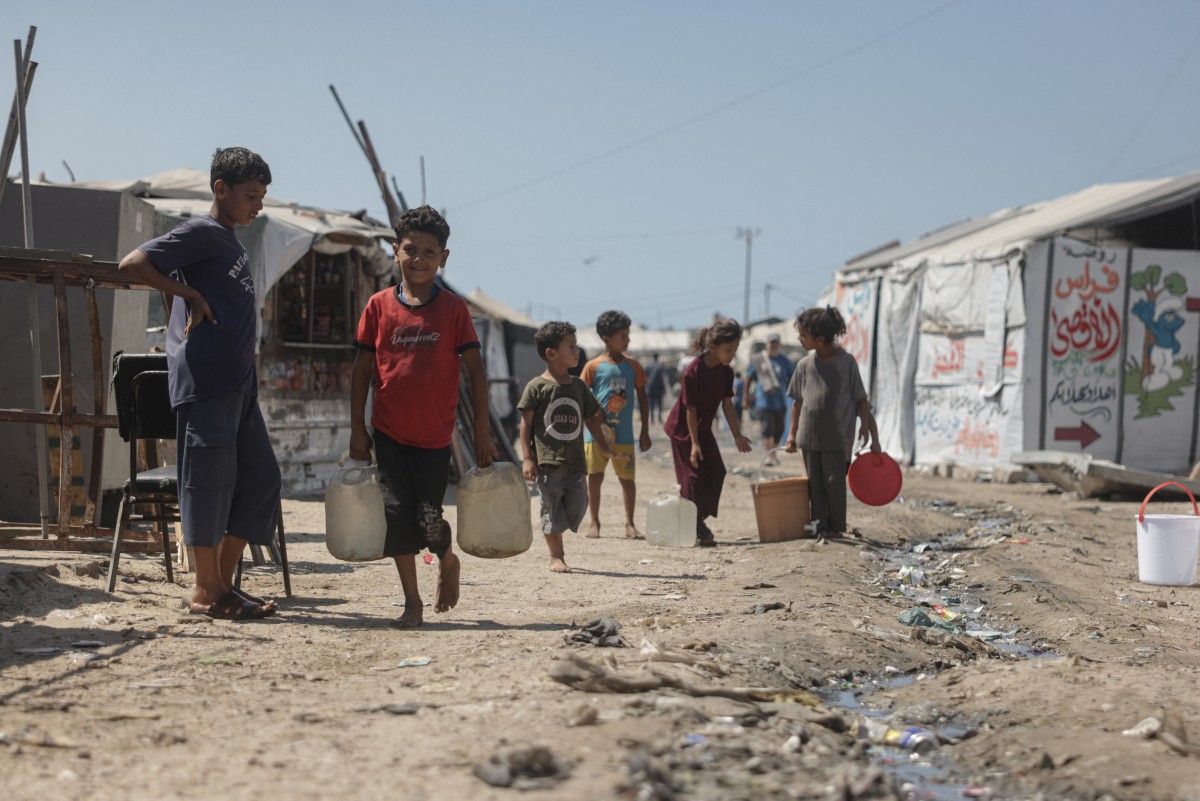
The odor from those pits can be severe, she said, even when residents cover them with tarpaulins. But this smell, she said, was stronger.
“Because there are many camps around us, I thought it was coming from the tents,” she said.
Then, she said, her husband told her he had heard that Israel was releasing foul odors into the air.
For people with asthma or other respiratory conditions, she said, the recent reports from Gaza City were especially alarming.
“Just a few days ago, people saw them with their own eyes: quadcopters dropping foul smells on them, like sewage water,” she said. “It was extremely foul; you simply could not bear it.”
Youssef said the accounts from Gaza City described a much stronger odor than the one she had experienced.
“People with asthma and respiratory conditions went to hospital because they were choking and unable to breathe,” she said. “I thought, ‘God help them, how did they spend the night?’”
She said the smell had compounded existing health concerns in an area where sanitation systems have largely collapsed.
“Newborns get gastrointestinal illnesses, and adults too,” she said. “For us, during the period when we smelled this odor, we had gastrointestinal illnesses and difficulty breathing.”
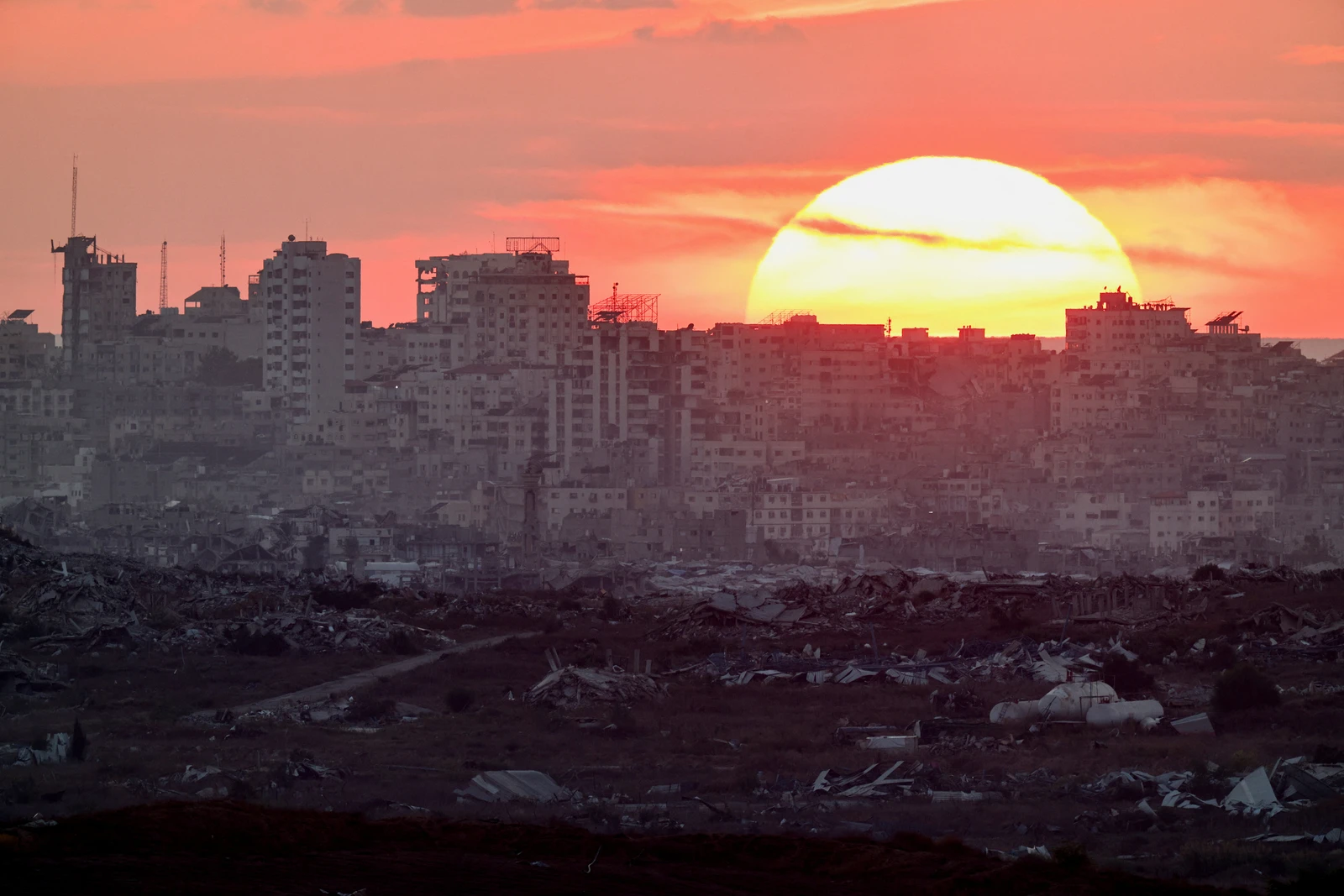
The concerns arise against the backdrop of Gaza’s devastated water and sanitation infrastructure. Since the war began in October 2023, wells, desalination plants, water networks, sewage systems and pumping stations have sustained extensive damage.
According to Medecins Sans Frontieres, Israeli bombardment has destroyed or damaged about 90 percent of Gaza’s water and sanitation infrastructure.
The resulting reliance on makeshift cesspits has intensified both the public health risks and the difficulty of distinguishing between odors caused by deteriorating sanitation conditions and those residents say were released from the air.