- From olive groves to checkpoints, expanding outposts and violence threaten livelihoods, freedom of movement and access to services
- Recent incidents highlights growing tensions as settler attacks and restrictions disrupt Palestinian communities
DUBAI: For Ahmad Alrajabi, distance is measured by checkpoints. Every morning the Palestinian journalist scrolls through WhatsApp groups to track disruptions, to check which roads are open and where settlers are attacking. But even so, there are no guarantees.
On the afternoon he spoke to Arab News he was in a cafe in Hebron. An hour earlier he had been covering a settler attack on a family home in Masafer Yatta. His mother had called him three times, as she does whenever he leaves his home.
“We cannot move freely. We cannot plan for the next hour,” he said.
His village closes at 9 p.m. He must plan his day around that deadline.
“So I should think before anything: Okay, I need to be home at nine,” he said. If he is in the city after that he leaves his car behind and takes a taxi.
For Palestinians across the occupied West Bank such uncertainty extends well beyond the journey home.
“People tend to see the violence as isolated,” said Yair Dvir, a spokesperson for the Israeli human rights organization B’Tselem.
“But the truth is that it’s a system that produces all kinds of violence and the system has a very clear logic and a very clear direction.”
The clearest example of that direction is the northern Jordan Valley. Late last year Israel announced a new separation barrier called the Crimson Thread. It would cut the northern part of the valley off from the rest of the West Bank and connect it to Israel, consolidating its annexation, according to the UN Human Rights Office in the Occupied Palestinian Territory.
The valley is home to Bedouin and herding communities who have faced restrictions and been denied permits. Settlers have established outposts around the area that are illegal even under Israeli law.
“These outposts become launching pads of attacks against the communities, terrorizing the residents,” OHCHR spokesperson Mayy El Sheikh said.
Since Oct. 7, 2023 at least 224 outposts have been created across the occupied West Bank, compared to an average of eight per year over the previous decade.
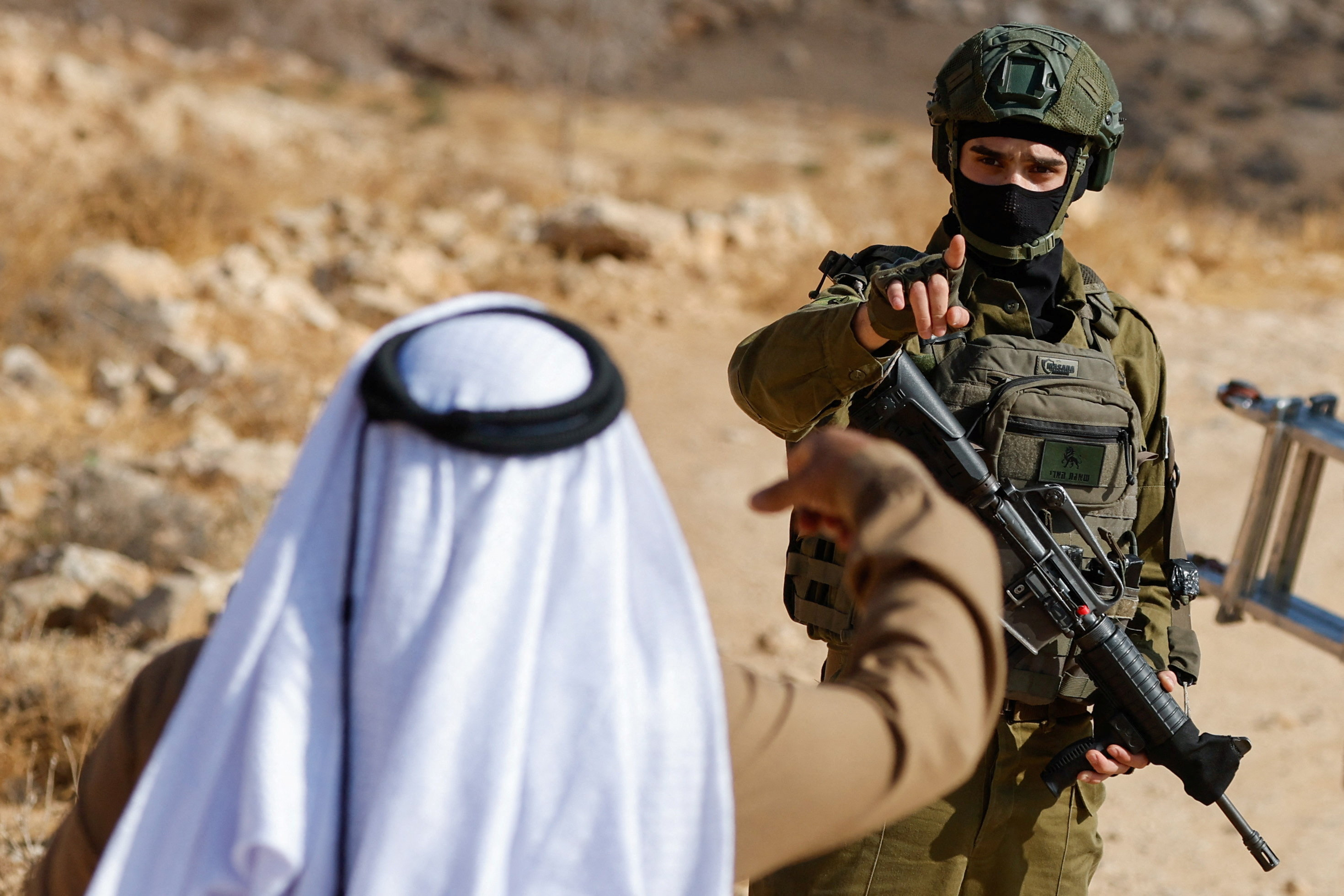
At least 10 communities have been fully or partially displaced in the northern Jordan Valley, according to the OHCHR, including communities along and east of the planned barrier’s route. Some outposts were later legalized retroactively and given military protection. Seven of the 34 new settlements Israel approved in April already existed as outposts in the Jordan Valley, according to Israeli media cited by the UN office.
“Settler violence is state violence for three main reasons,” El Sheikh said.
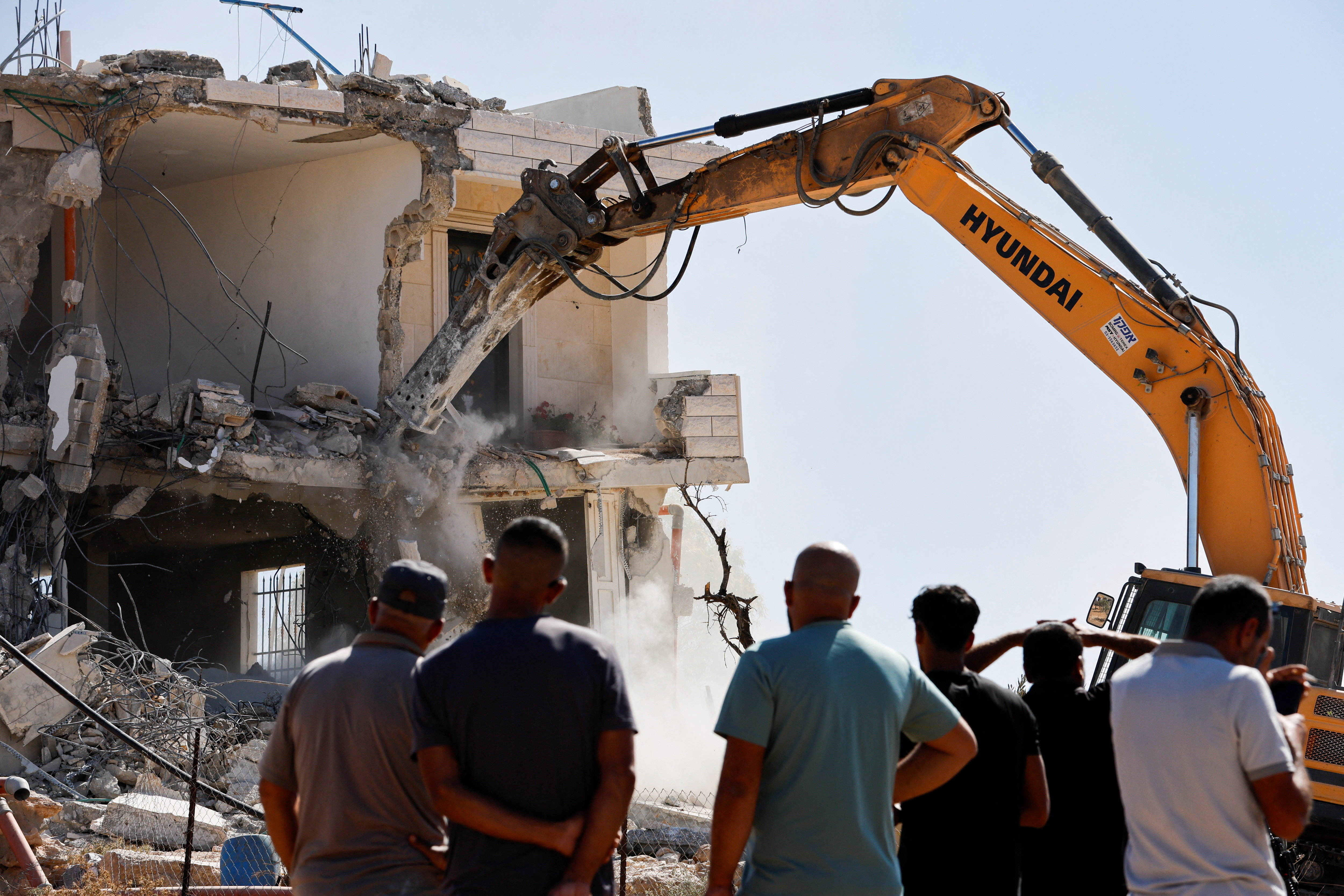
First, it could be a tool of policy implementation, she said. When the Israeli government announced a project like the Crimson Thread settlers cleared out people in its path so it could proceed on “empty land.”
In November Israeli authorities gave residents of Khirbet Yarza a map of land seizure orders along the route of the planned Crimson Thread, according to the OHCHR. By March, after months of attacks, the last of its 13 remaining families had dismantled their homes and left.
“This type of working to implement a policy is not haphazard,” El Sheikh said.
The second reason was that settler attacks were taking place with the acquiescence, support and participation of Israeli forces, she said.
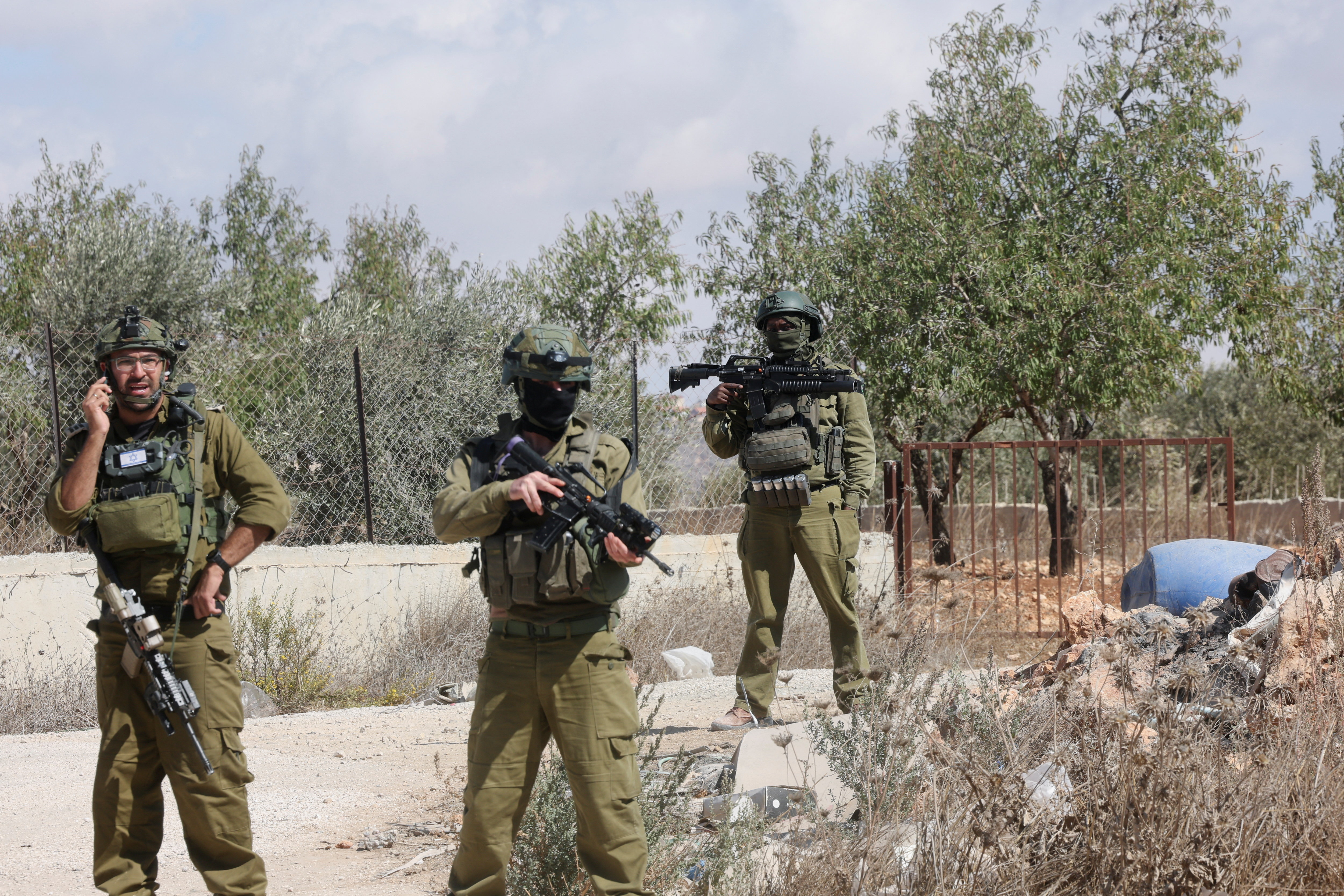
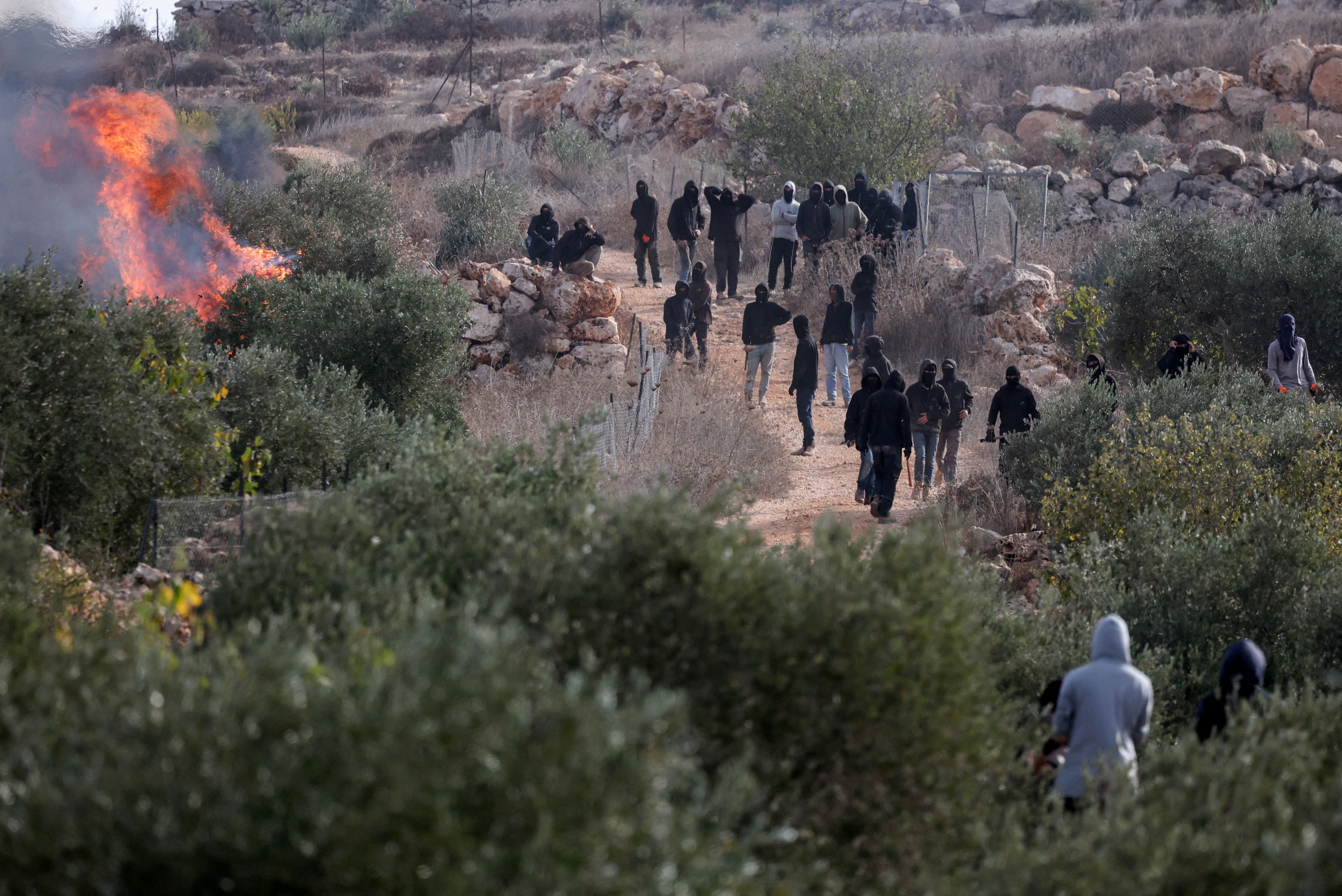
After Oct. 7, 2023, thousands were recruited as reservists under the Israeli military’s command in battalions known as “Hagmar” and issued uniforms and guns, she said. Thousands more, sometimes the same people, joined emergency response squads. In late 2023 the national security minister distributed 10,000 newly purchased assault rifles among their members, according to the OHCHR.
“They’re (the emergency response squads) supposed to be operating inside settlements but they’ve been given free rein to operate outside of settlements as well,” El Sheikh said.
“They don’t attack alone. They (Israeli forces) join them to attack Palestinians.”
The third reason, El Sheikh said, was impunity.
“It’s an asymmetrical justice system that shields settlers and Israeli perpetrators entirely from accountability.”
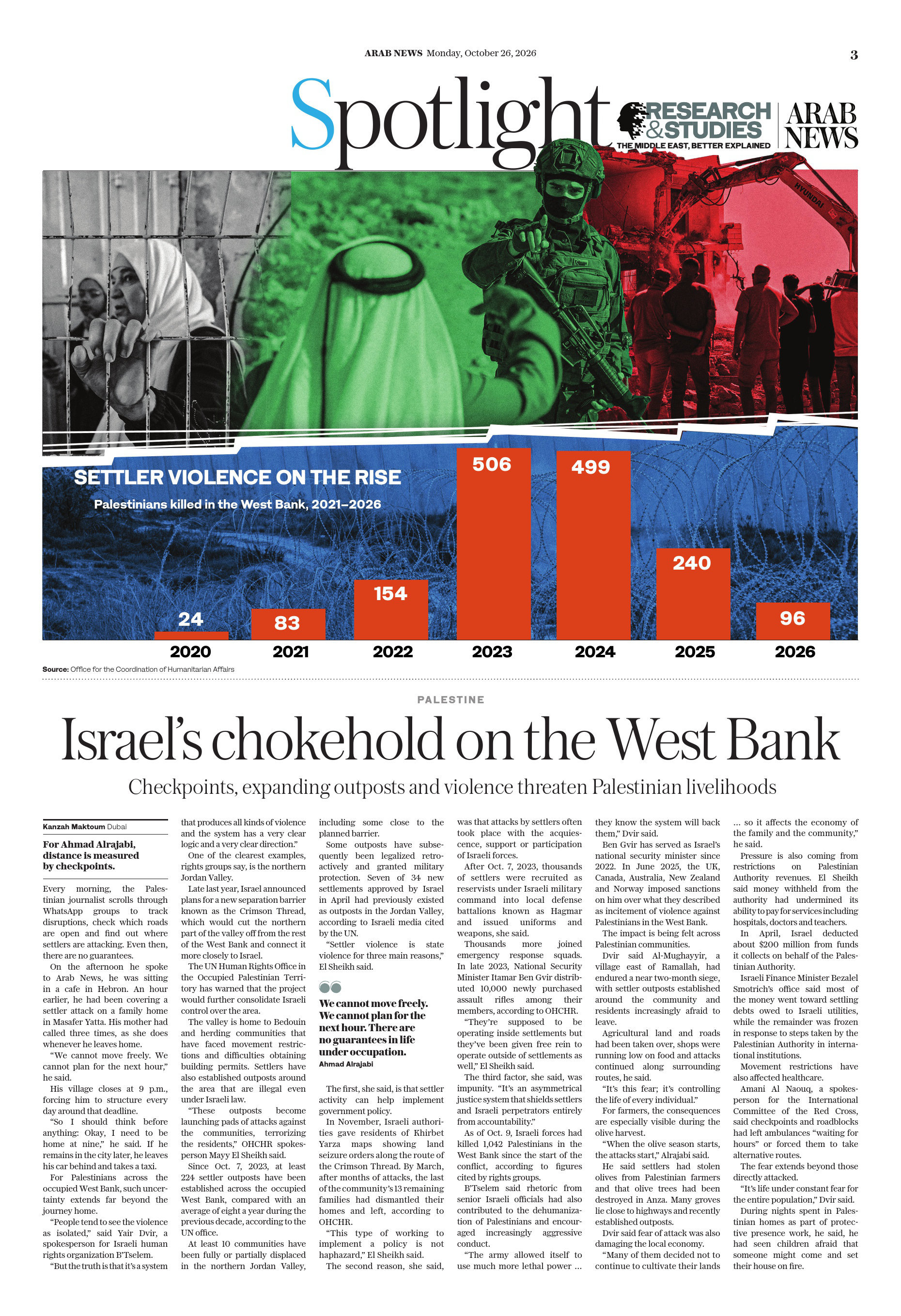
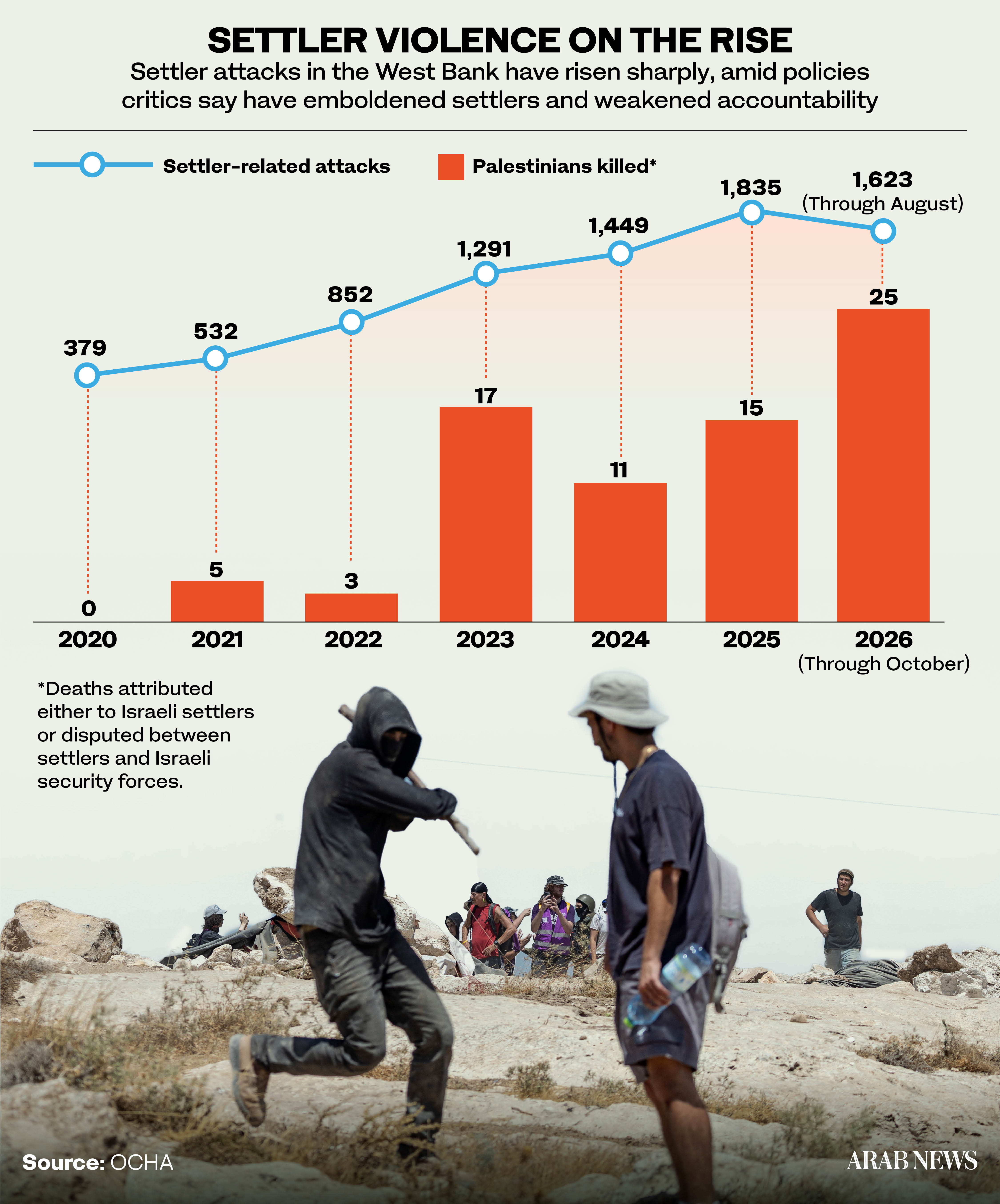
As of Oct. 9 Israeli forces have killed 1,042 people in the West Bank since the start of the conflict. The last conviction of an Israeli soldier for killing a Palestinian in the West Bank was recorded in 2020. The soldier received three months suspended jail time and three months of military service.
B’Tselem said that the rhetoric used by Israeli senior officials fueled violence against Palestinians and contributed to their dehumanization, including that of children.
“The army allowed itself to use much more lethal power … they know the system will back them,” he said.
“They know that, for example, the one that is in charge, Ben Gvir … he supports all kinds of violence against Palestinians.”
Itamar Ben Gvir has been Israel’s Minister of National Security since 2022. In June 2025, the UK, Canada, Australia, New Zealand and Norway imposed sanctions on him over what they described as incitement of violence against Palestinians in the West Bank.
The attacks have left entire communities reeling in fear and facing restrictions on their movement.
Dvir said that Al-Mughayyir, a village east of Ramallah, had been under a near two-month siege.
Settlers had established outposts around the village, taking over agricultural land and main roads, residents had been afraid to leave, while shops had been running low on food and attacks had continued along the roads, he said.
“It’s this fear, it’s controlling the life of every individual.”
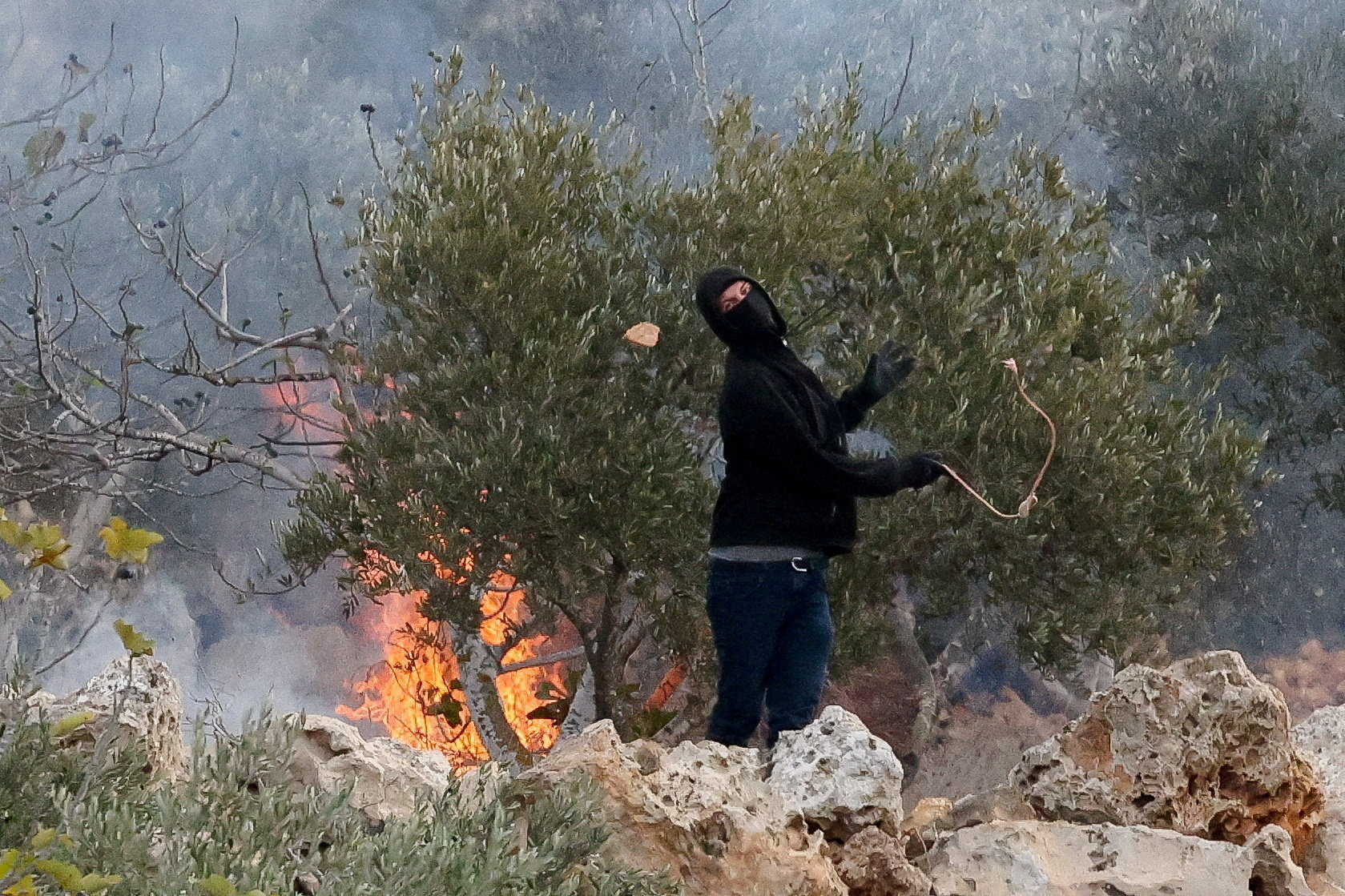
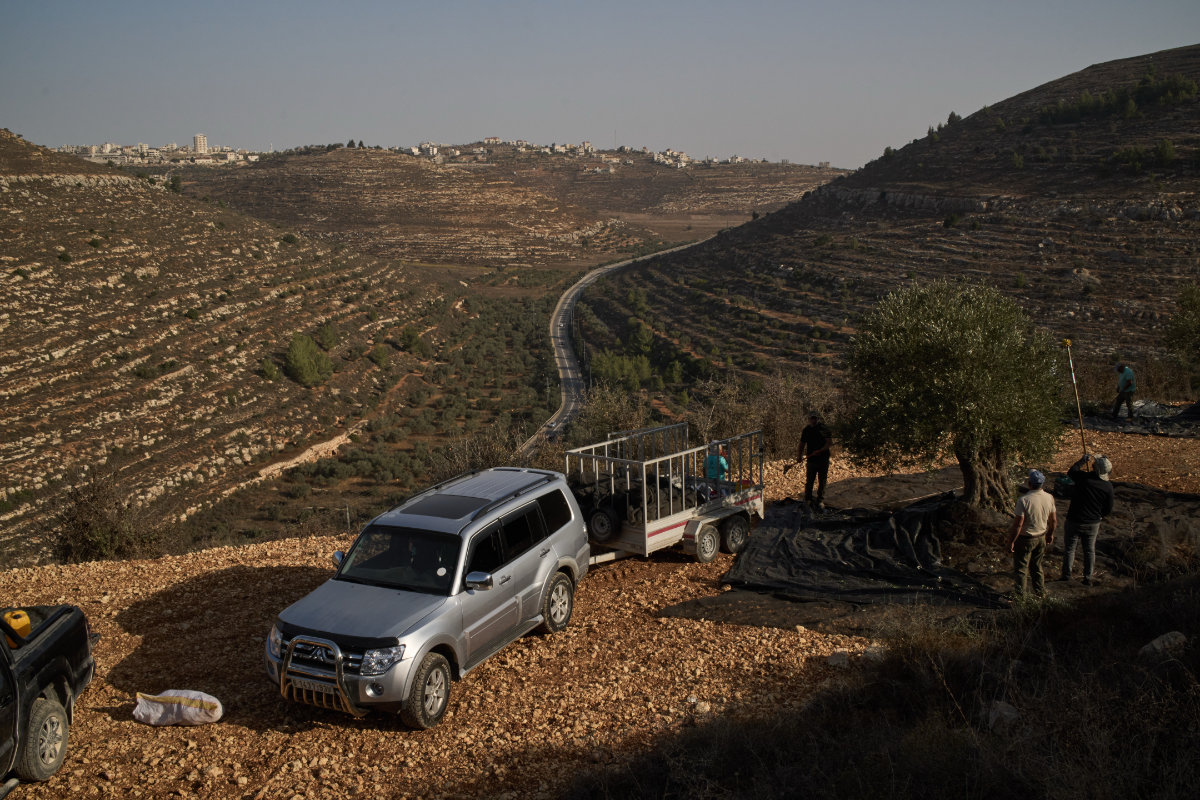
For farmers across the West Bank, the consequences are also felt in their fields. The olives ripen whether or not it is safe to reach them.
“When the olive season starts, the attacks start,” Alrajabi said.
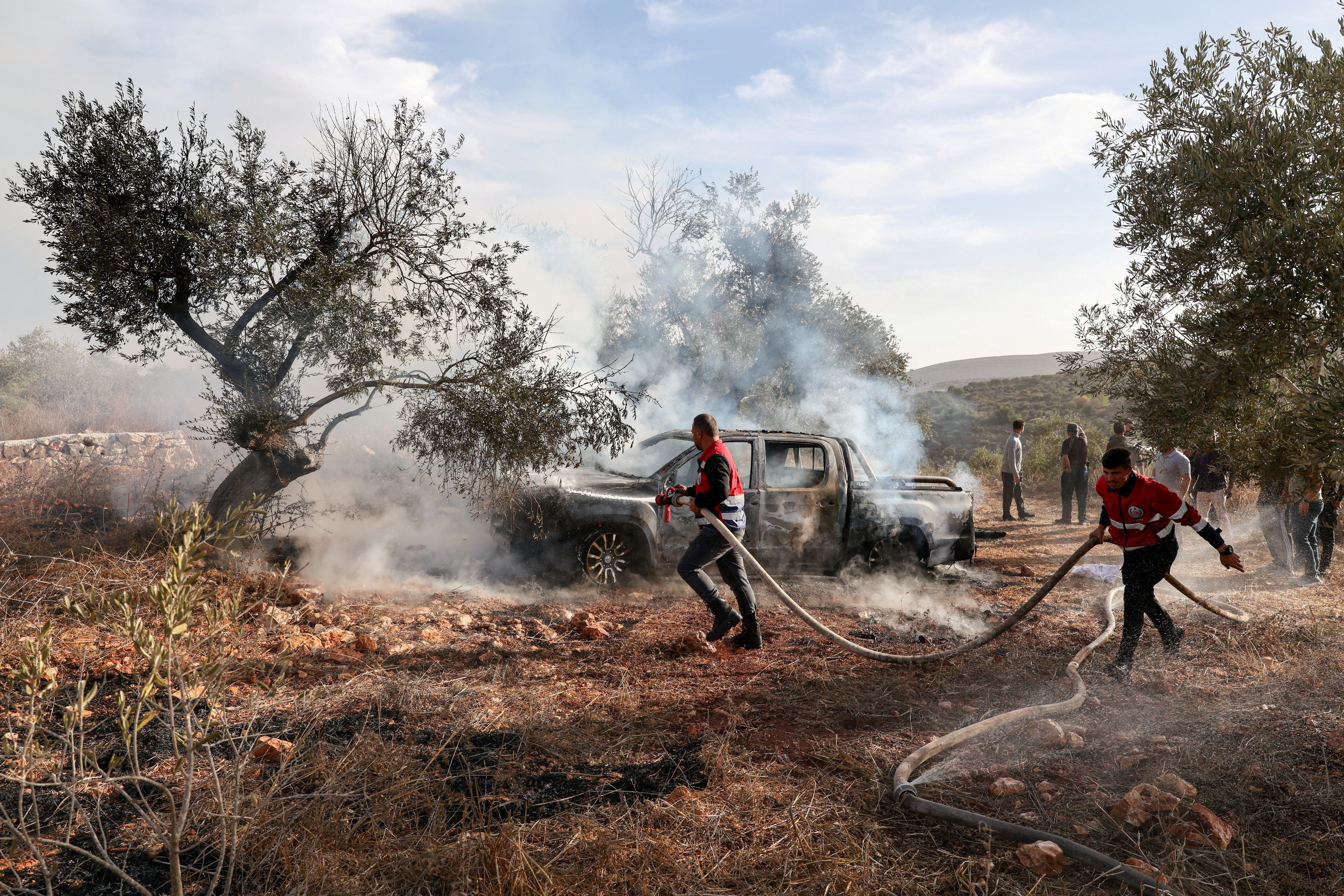
Settlers were stealing olives from Palestinian farmers and the army had destroyed olive trees in Anza. Many of the groves sat beside highways and new outposts, he said.
Dvir said that fear of violence had economic consequences.
“Many of them (Palestinian farmers) decided not to continue to cultivate their lands … so it affects the economy of the family and the community,” he said.
There is also pressure from above. El Sheikh said that money had been withheld from the Palestinian Authority, affecting its ability to pay for basic services such as doctors, hospitals and school teachers.
The result, she said, was that more children were unable to access education and providing adequate medical care had become increasingly difficult.
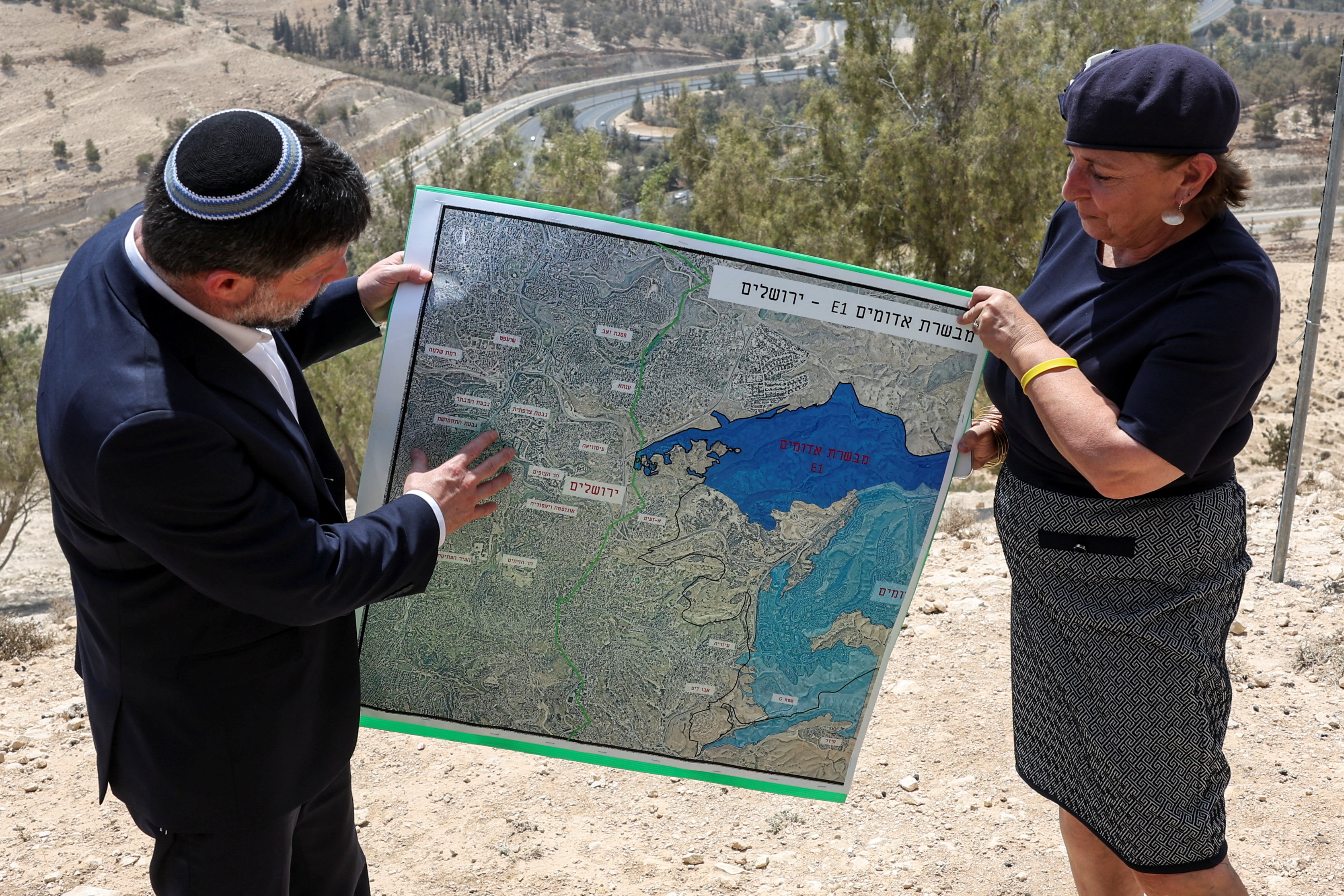
In April Israel deducted about $200 million from the funds it collects for the authority. Smotrich’s office said that most of the money went toward settling debts to Israeli utilities and the rest was frozen as part of a policy “to protest steps taken by the Palestinian Authority against Israel in international institutions.”
In the West Bank even reaching a hospital can be difficult according to Amani Al Naouq, a spokesperson for the International Committee of the Red Cross.
Checkpoints and roadblocks left ambulances “waiting for hours” or forced to change route to avoid road closures, she said.
The fear reaches far beyond those who are hurt.
“It’s life under constant fear for the entire population,” Dvir said.
He said that during nights spent in Palestinian homes as part of protective presence work he had seen how children lived in fear that someone would come and set the house on fire.
Rights groups say the answer is not in issuing more condemnations
“The international community should first of all understand that we are facing a system,” Dvir said. “Stop blaming only the extremists or Netanyahu government … move from condemnation into action.”
The OHCHR said it had “serious concerns” about ethnic cleansing. Whatever the election result, El Sheikh said that Palestinians’ rights “are not contingent on Israeli political timelines.”
For Alrajabi, politics comes back to 9 o’clock. By nine, he needs to be home before the roads close. He cannot say which road will be open tomorrow or whether another attack will force him to change his route. All he knows is that there is no guarantee in life under occupation.
For Ahmad Alrajabi, distance is measured by checkpoints. Every morning the Palestinian journalist scrolls through WhatsApp groups to track disruptions, to check which roads are open and where settlers are attacking. But even so, there are no guarantees.
On the afternoon he spoke to Arab News he was in a cafe in Hebron. An hour earlier he had been covering a settler attack on a family home in Masafer Yatta. His mother had called him three times, as she does whenever he leaves his home.
“We cannot move freely. We cannot plan for the next hour,” he said.
His village closes at 9 p.m. He must plan his day around that deadline.
“So I should think before anything: Okay, I need to be home at nine,” he said. If he is in the city after that he leaves his car behind and takes a taxi.
For Palestinians across the occupied West Bank such uncertainty extends well beyond the journey home.
“People tend to see the violence as isolated,” said Yair Dvir, a spokesperson for the Israeli human rights organization B’Tselem.
“But the truth is that it’s a system that produces all kinds of violence and the system has a very clear logic and a very clear direction.”
The clearest example of that direction is the northern Jordan Valley. Late last year Israel announced a new separation barrier called the Crimson Thread. It would cut the northern part of the valley off from the rest of the West Bank and connect it to Israel, consolidating its annexation, according to the UN Human Rights Office in the Occupied Palestinian Territory.
The valley is home to Bedouin and herding communities who have faced restrictions and been denied permits. Settlers have established outposts around the area that are illegal even under Israeli law.
“These outposts become launching pads of attacks against the communities, terrorizing the residents,” OHCHR spokesperson Mayy El Sheikh said.
Since Oct. 7, 2023 at least 224 outposts have been created across the occupied West Bank, compared to an average of eight per year over the previous decade.
At least 10 communities have been fully or partially displaced in the northern Jordan Valley, according to the OHCHR, including communities along and east of the planned barrier’s route. Some outposts were later legalized retroactively and given military protection. Seven of the 34 new settlements Israel approved in April already existed as outposts in the Jordan Valley, according to Israeli media cited by the UN office.
“Settler violence is state violence for three main reasons,” El Sheikh said.
First, it could be a tool of policy implementation, she said. When the Israeli government announced a project like the Crimson Thread settlers cleared out people in its path so it could proceed on “empty land.”
In November Israeli authorities gave residents of Khirbet Yarza a map of land seizure orders along the route of the planned Crimson Thread, according to the OHCHR. By March, after months of attacks, the last of its 13 remaining families had dismantled their homes and left.
“This type of working to implement a policy is not haphazard,” El Sheikh said.
The second reason was that settler attacks were taking place with the acquiescence, support and participation of Israeli forces, she said.
After Oct. 7, 2023, thousands were recruited as reservists under the Israeli military’s command in battalions known as “Hagmar” and issued uniforms and guns, she said. Thousands more, sometimes the same people, joined emergency response squads. In late 2023 the national security minister distributed 10,000 newly purchased assault rifles among their members, according to the OHCHR.
“They’re (the emergency response squads) supposed to be operating inside settlements but they’ve been given free rein to operate outside of settlements as well,” El Sheikh said.
“They don’t attack alone. They (Israeli forces) join them to attack Palestinians.”
The third reason, El Sheikh said, was impunity.
“It’s an asymmetrical justice system that shields settlers and Israeli perpetrators entirely from accountability.”
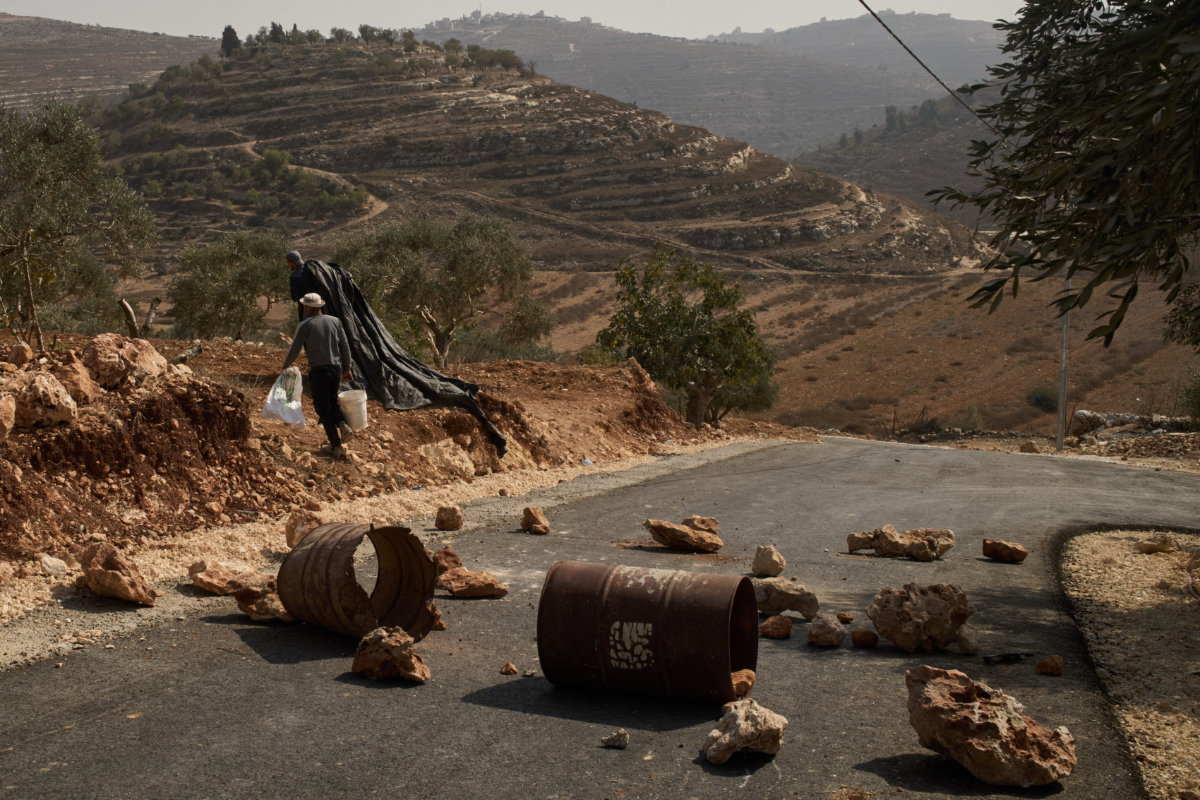
As of Oct. 9 Israeli forces have killed 1,042 people in the West Bank since the start of the conflict. The last conviction of an Israeli soldier for killing a Palestinian in the West Bank was recorded in 2020. The soldier received three months suspended jail time and three months of military service.
B’Tselem said that the rhetoric used by Israeli senior officials fueled violence against Palestinians and contributed to their dehumanization, including that of children.
“The army allowed itself to use much more lethal power … they know the system will back them,” he said.
“They know that, for example, the one that is in charge, Ben Gvir … he supports all kinds of violence against Palestinians.”
Itamar Ben Gvir has been Israel’s Minister of National Security since 2022. In June 2025, the UK, Canada, Australia, New Zealand and Norway imposed sanctions on him over what they described as incitement of violence against Palestinians in the West Bank.
The attacks have left entire communities reeling in fear and facing restrictions on their movement.
Dvir said that Al-Mughayyir, a village east of Ramallah, had been under a near two-month siege.
Settlers had established outposts around the village, taking over agricultural land and main roads, residents had been afraid to leave, while shops had been running low on food and attacks had continued along the roads, he said.
“It’s this fear, it’s controlling the life of every individual.”
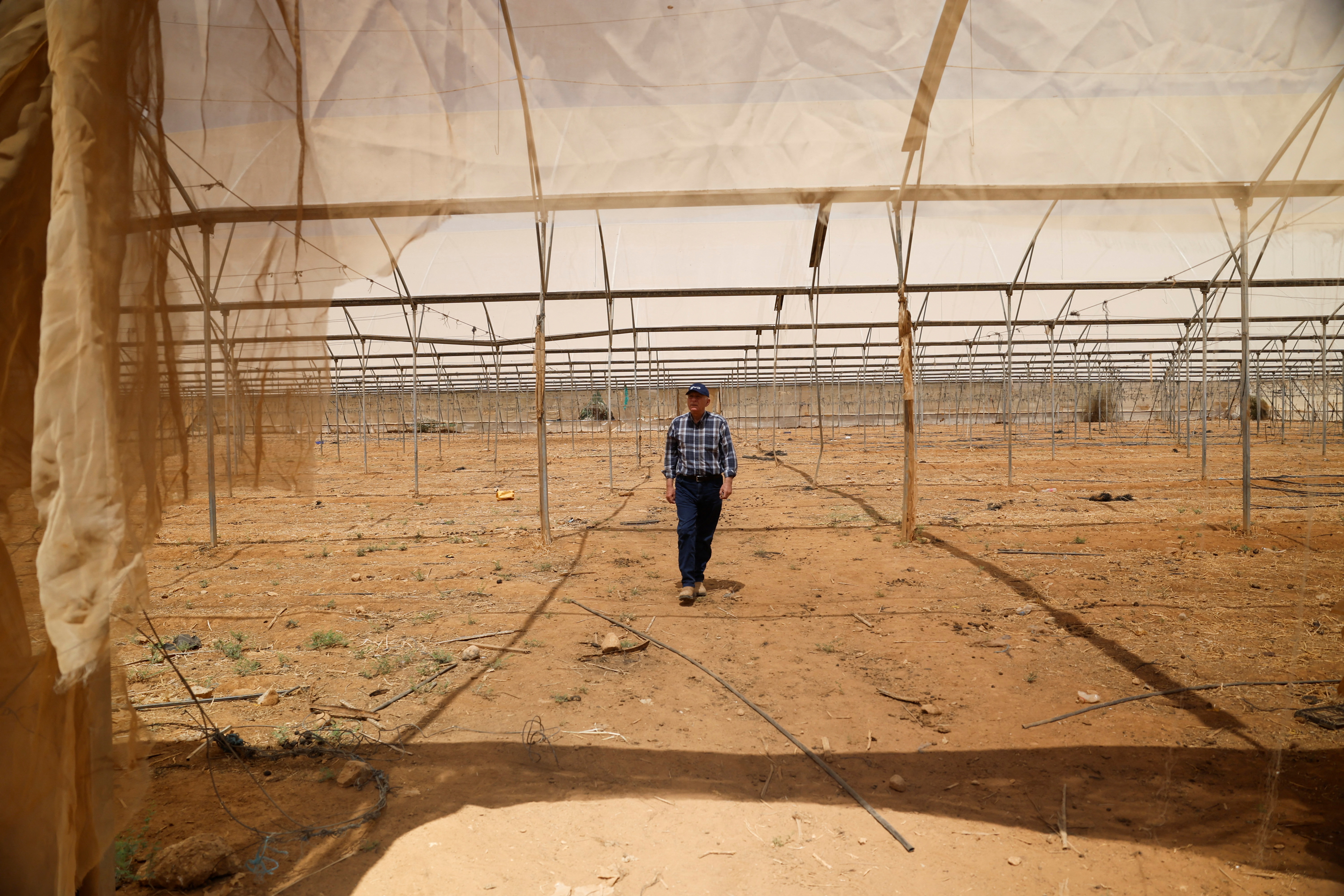
For farmers across the West Bank, the consequences are also felt in their fields. The olives ripen whether or not it is safe to reach them.
“When the olive season starts, the attacks start,” Alrajabi said.
Settlers were stealing olives from Palestinian farmers and the army had destroyed olive trees in Anza. Many of the groves sat beside highways and new outposts, he said.
Dvir said that fear of violence had economic consequences.
“Many of them (Palestinian farmers) decided not to continue to cultivate their lands … so it affects the economy of the family and the community,” he said.
There is also pressure from above. El Sheikh said that money had been withheld from the Palestinian Authority, affecting its ability to pay for basic services such as doctors, hospitals and school teachers.
The result, she said, was that more children were unable to access education and providing adequate medical care had become increasingly difficult.
In April Israel deducted about $200 million from the funds it collects for the authority. Smotrich’s office said that most of the money went toward settling debts to Israeli utilities and the rest was frozen as part of a policy “to protest steps taken by the Palestinian Authority against Israel in international institutions.”
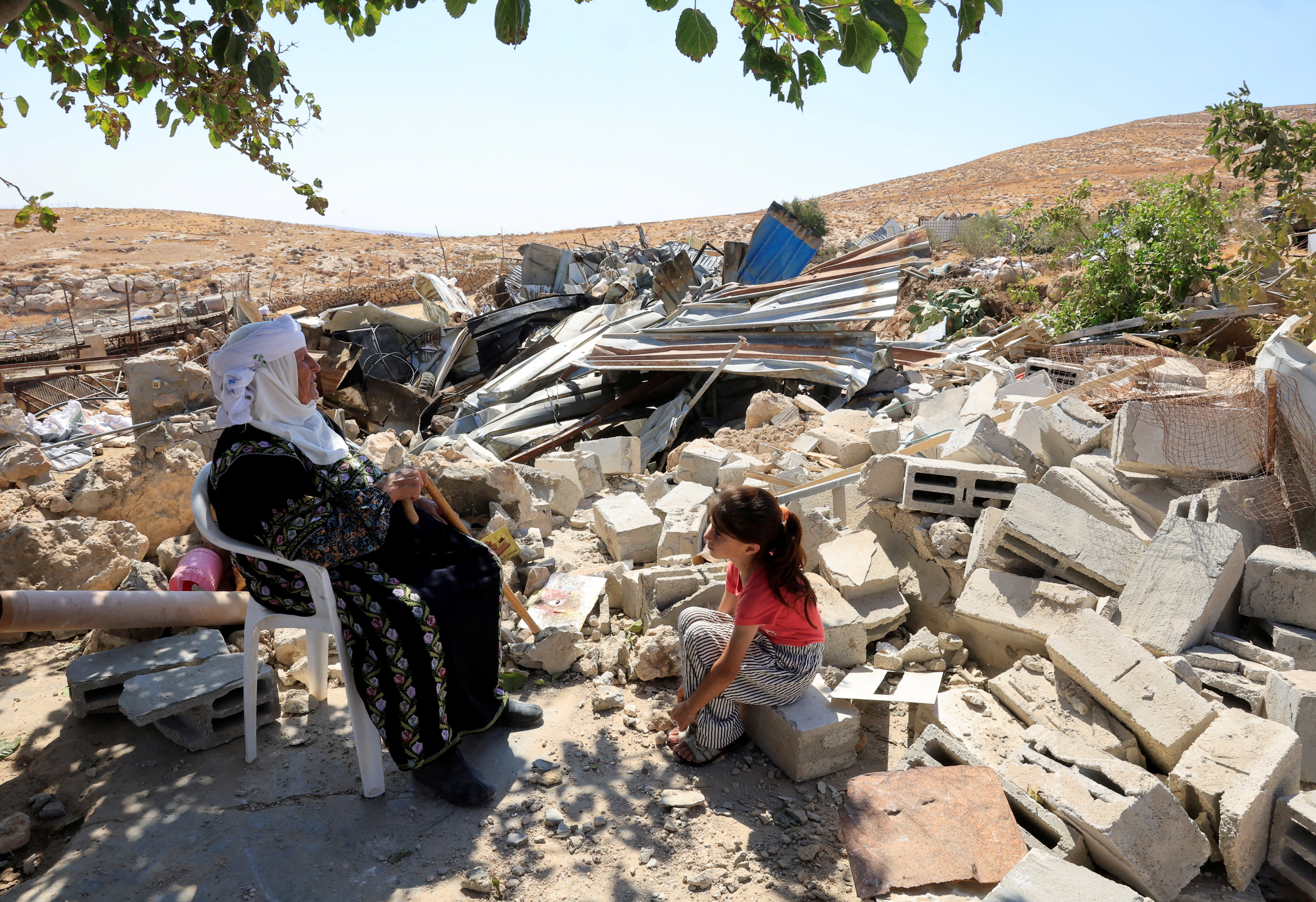
In the West Bank even reaching a hospital can be difficult according to Amani Al Naouq, a spokesperson for the International Committee of the Red Cross.
Checkpoints and roadblocks left ambulances “waiting for hours” or forced to change route to avoid road closures, she said.
The fear reaches far beyond those who are hurt.
“It’s life under constant fear for the entire population,” Dvir said.
éHe said that during nights spent in Palestinian homes as part of protective presence work he had seen how children lived in fear that someone would come and set the house on fire.
Rights groups say the answer is not in issuing more condemnations
“The international community should first of all understand that we are facing a system,” Dvir said. “Stop blaming only the extremists or Netanyahu government … move from condemnation into action.”
The OHCHR said it had “serious concerns” about ethnic cleansing. Whatever the election result, El Sheikh said that Palestinians’ rights “are not contingent on Israeli political timelines.”
For Alrajabi, politics comes back to 9 o’clock. By nine, he needs to be home before the roads close. He cannot say which road will be open tomorrow or whether another attack will force him to change his route. All he knows is that there is no guarantee in life under occupation.