- Crown prince also calls for Israeli withdrawal from Gaza and Lebanon
TORONTO: Kuwait has accused Iran of subjecting the country, its Gulf neighbors and Jordan to “illegal” aggression involving ballistic and cruise missiles, as well as drones since February, and said Tehran is using the Strait of Hormuz “as a bargaining chip” in the regional conflict.
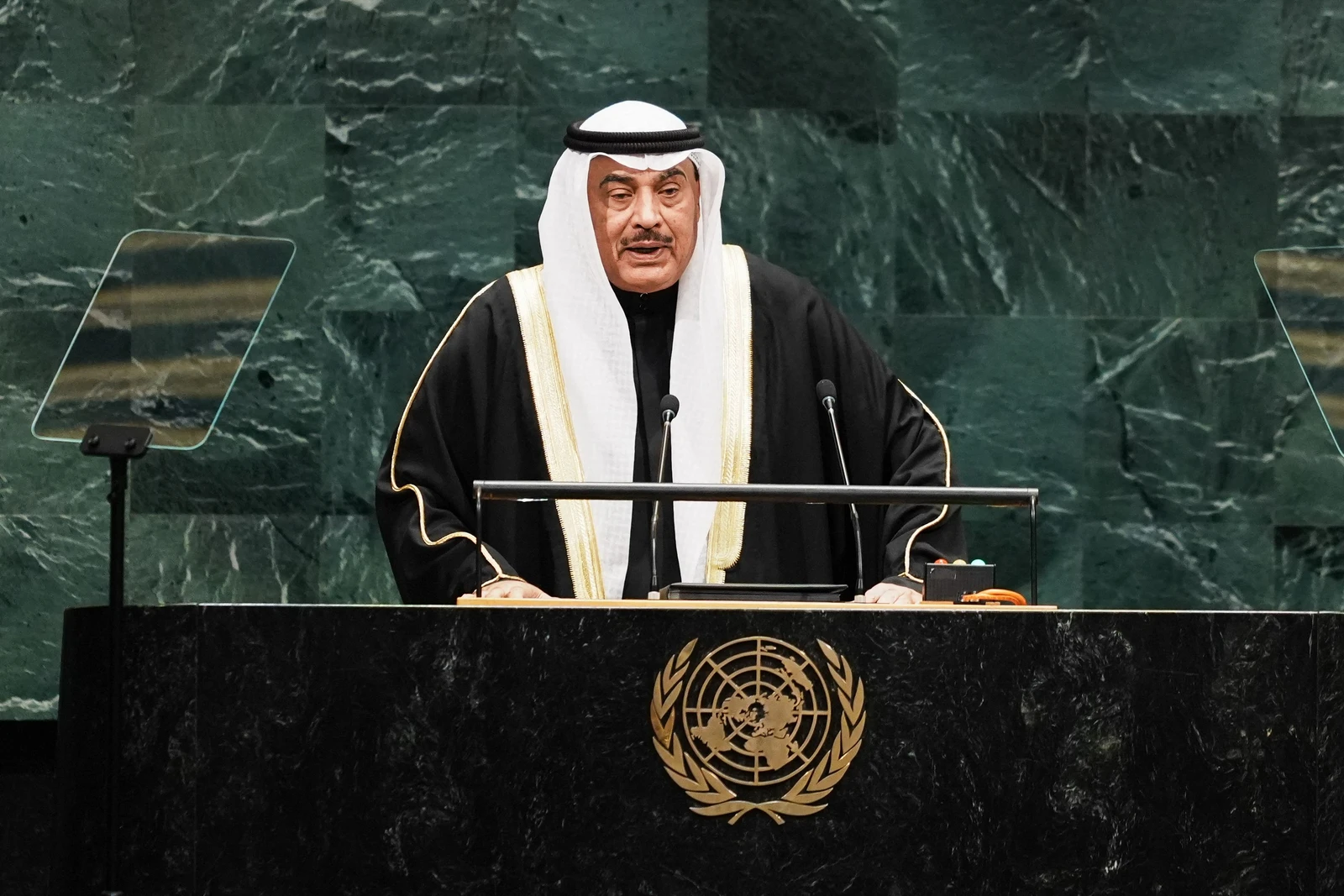
Speaking at the UN General Assembly on Thursday, Kuwaiti Crown Prince Sheikh Sabah Khaled Al-Hamad Al-Mubarak Al-Sabah said Iran had struck Kuwait even though it is “not a party to the conflict in the region.”
“These attacks are a flagrant violation of the international law, international humanitarian law and the UN Charter,” he added.
The crown prince said the strikes had “systematically and repeatedly targeted civilian objects and critical infrastructure,” including Kuwait International Airport, power and water stations and oil facilities, killing “several martyrs and innocent civilians,” wounding others and inflicting material and economic damage.
He emphasized the “need to reach a sustainable regional understanding,” which includes “seizing support for proxies and militias, and addressing the security concerns of all countries in the region.”
Freedom of navigation through the Hormuz and Bab Al-Mandab straits, he added, must be guaranteed under international law and the 1982 UN Convention on the Law of the Sea.
The crown prince described Iraq as a partner in security and stability, saying Kuwait had supported its recovery since the fall of the former regime in 2003. He commended measures taken by Iraqi Prime Minister Ali Al-Zaidi to consolidate arms under state control and strengthen the country’s regional ties.
Kuwait wants to enhance bilateral relations and resolve any issues between the two countries, he added. These include the maritime border demarcation and adherence to bilateral security and technical agreements such as the Khor Abdullah Agreement and the 2008 Security Exchange Protocol, the crown prince said.
He called on Iraq to cooperate with the UN to make progress on Kuwaiti prisoners and missing persons, third-country nationals and the recovery of Kuwaiti property, including national archives.
The crown prince also voiced Kuwait’s support for several Arab states amid regional turmoil.
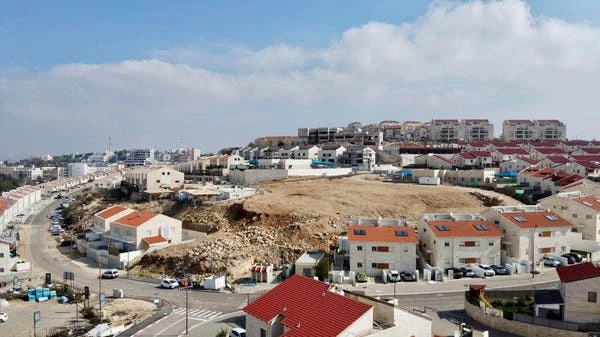
He condemned the “ongoing violations by the Israeli occupation forces” against the Palestinian people, who “continue to suffer under difficult living conditions caused by policies of displacement, arrests and settlement.”
He called for the full implementation of the Gaza peace plan, including a complete Israeli withdrawal and the return of the Palestinian Authority to the territory.
Yemen, he said, is facing “serious military escalation” from Houthi attacks aimed at threatening navigation through the Bab Al-Mandab Strait.
He expressed Kuwait’s support for the UN-led settlement, while condemning Houthi attacks on Saudi Arabia, saying the Kingdom’s security “is an integral part of the security of the State of Kuwait and the security of the GCC states.”
He welcomed the lifting of international sanctions on Syria and the removal of its name from the list of state sponsors of terrorism, and backed a Syrian-led political process, while condemning Israeli military incursions into Syrian territory.
He also called for Lebanese state institutions to extend their authority over the country while restricting arms possession to the state alone, and renewed Kuwait’s demand for Israel’s withdrawal from occupied Lebanese territory.
The crown prince concluded by invoking Kuwait’s own history: “My country has known the cruelty of occupation and the bitterness of aggression and has suffered from wars that have ravaged and continue to ravage our region for four decades.
This experience has convinced Kuwait that “peace is the choice of wisdom” and “dialogue does not diminish rights but preserves them,” he said. Security, he added, “is not protected by force alone, but it is anchored in justice, the rule of law and the principles of international legitimacy.”