- Mohammed Al-Ahmad, mukhtar of Ruwayhina village in Quneitra countryside, said Israeli occupation forces had seized an estimated 5,000 to 6,000 dunums of village land and pastures bordering the occupied Syrian Golan
QUNEITRA: Livestock farming in Ruwayhina village in Quneitra countryside has become an increasingly dangerous activity for residents, as continued Israeli attacks and restrictions prevent farmers and herders from accessing their land and pastures.
Direct attacks on livestock and grazing areas have undermined residents’ ability to continue agricultural and livestock activities, causing significant losses to local agricultural and animal production.
Several villagers described the difficult conditions they face.
Daily attacks and gunfire from Israeli occupation forces have been compounded by the repeated targeting of their herds, leaving barns and pastures increasingly quiet.
Agriculture and livestock raising, long the main sources of livelihood in the village, have become fraught with danger for farmers and herders alike.
Mohammed Al-Ahmad, mukhtar of Ruwayhina village in Quneitra countryside, said Israeli occupation forces had seized an estimated 5,000 to 6,000 dunums of village land and pastures bordering the occupied Syrian Golan.
He said residents rely on agriculture and livestock raising for their livelihoods, but Israeli violations have increasingly affected these essential sources of income.
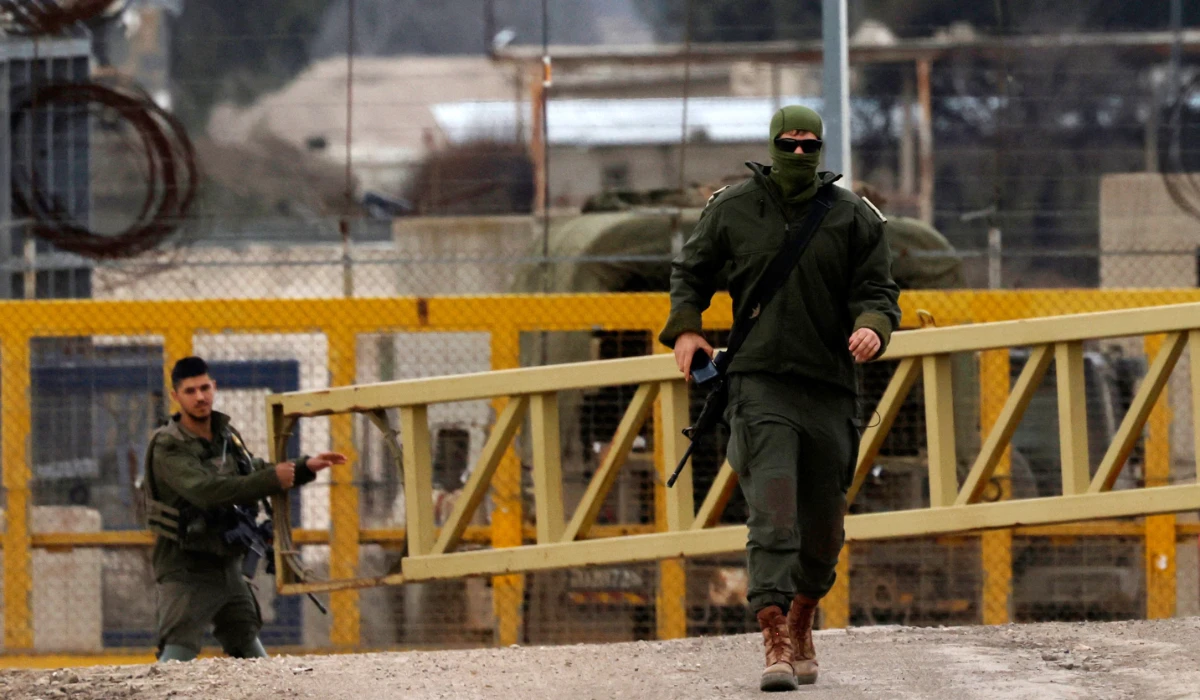
The Israeli forces have established military positions and earth berms within the seized areas, forcing farmers and herders to take long, dangerous routes to reach their fields and grazing land. Access has become nearly impossible, with anyone attempting to approach facing the risk of direct fire, while livestock are shot at as soon as they leave their enclosures, Al-Ahmad added.
Al-Ahmad said the damage extends beyond land clearance and the uprooting of trees to include the seizure of sheep and cattle and the deaths of animals in shelling and gunfire.
He said he had personally lost around 50 sheep killed by shelling and direct fire.
A cow also died after his home’s livestock enclosure was shelled, while his neighbors lost several sheep in a similar attack.
The mukhtar estimated that dozens of sheep and cattle had been killed in Ruwayhina.
He said the attacks were sudden and recurring, while the inability to reach pastures, coupled with rising feed and grain costs, was increasing the financial burden on families dependent on livestock farming.
Al-Ahmad said Ruwayhina had traditionally supplied milk and dairy products, including cheese and yogurt, to several nearby villages. However, the loss of livestock and restricted access to open pastures have reduced production and disrupted the village’s local economy.
Daily milk and dairy production has fallen from around five tonnes to just two tonnes, and dropped to between 200 and 300 kilograms during periods of severe restrictions, he said.
The decline has coincided with rising prices for animal feed, hay and grain, while the loss of farmland has left residents with few alternative employment opportunities, further worsening the financial difficulties faced by farmers and livestock breeders.
Hasan Hamid al-Nasif, a 68-year-old resident who has spent his entire life in the village of his ancestors, described daily raids and strict restrictions on movement.
Residents wake to patrols entering the village unexpectedly and questioning farmers, he said, adding that herding livestock has become a daily risk, forcing people to flee pastures for fear of being targeted.
He said the restrictions also affect children, who are prevented from approaching farmland and pastures under direct threat of gunfire.
“When I take the young sheep out to graze, I do not feel safe. Even a small child is not allowed to approach. They tell him to stay away or they will shoot,” al-Nasif said.
He also described what he called humiliating searches of residents and their belongings. Israeli occupation forces search and confiscate mobile phones if they find anything they dislike, and seize agricultural tools and small knives that residents carry for their work, without justification, he said.
Al-Nasif said the violations also include the destruction of crops. He said aircraft drop illumination flares at night, setting wheat and barley fields ablaze, as happened during previous harvest seasons. He added that he had personally lost 15 sheep.
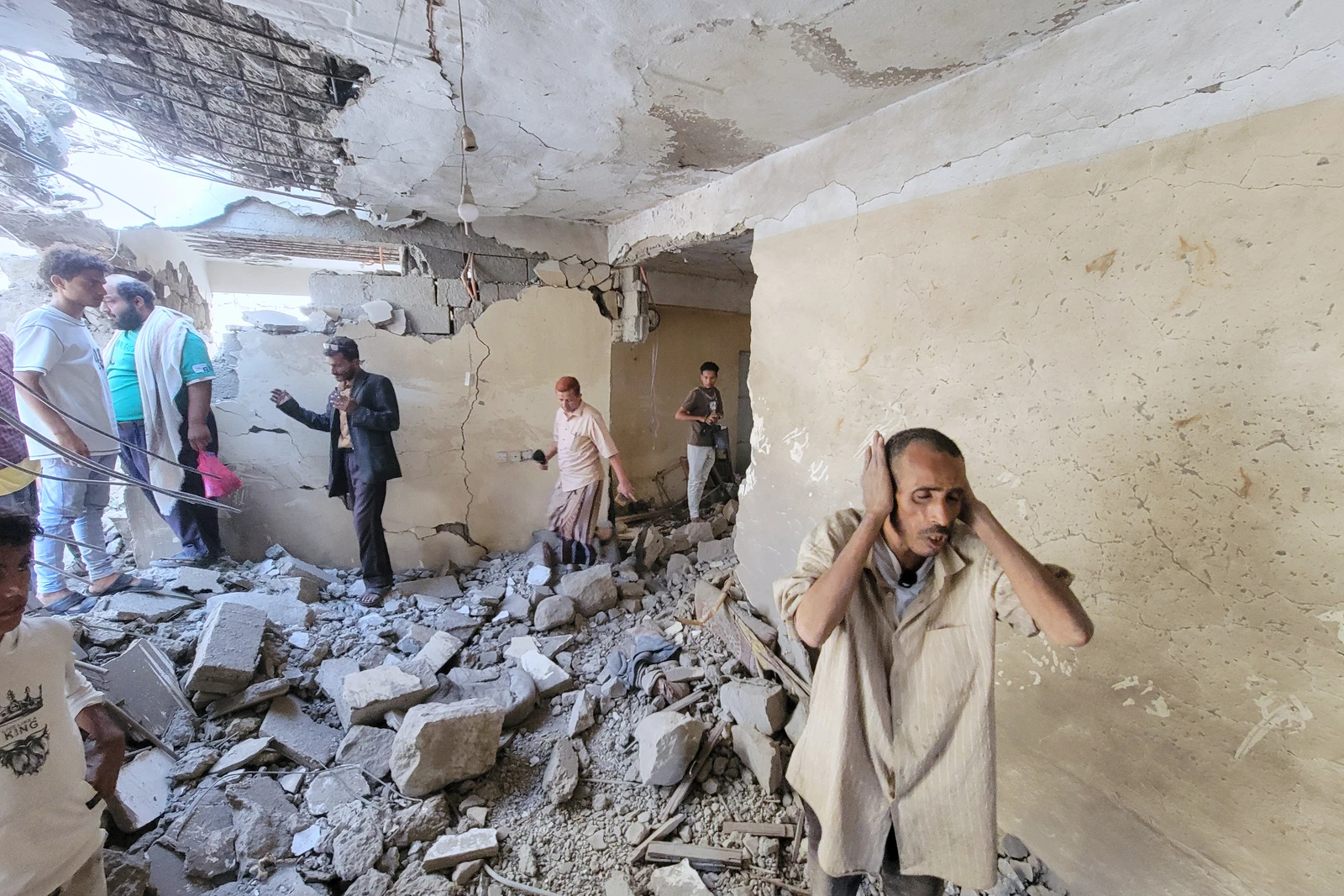
The damage also includes the uprooting of olive groves and other fruit trees, as well as artillery shelling of occupied homes. The sonic booms caused by Israeli aircraft breaking the sound barrier have also spread fear among women and children, he said.
Residents said they remain determined to stay on their land and preserve what remains of their livestock, stressing that remaining in the village and continuing to work the land are their only options despite the Israeli violations.
Separately, Quneitra’s Media Directorate told SANA that Israeli occupation forces had siezed more than 200 sheep and 14 cattle in al-Rafid village. Livestock breeders have also been unable to reach grazing areas, particularly in the southern part of the province, including Kudna, Bir Ajam, Birriqa, Suwaysa and Sayda. Several livestock deaths have also been recorded in villages across the province.