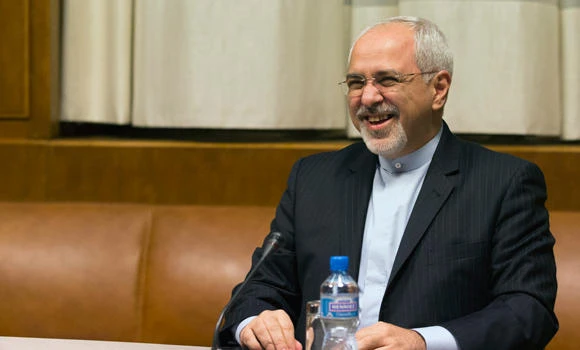
TEHRAN: Iran and world powers remain divided over “important issues” at their nuclear talks in Geneva, Foreign Minister Mohammad Javad Zarif said Thursday while still expressing hope for an agreement.
“There are still differences of opinion on important issues,” he told state television after a meeting with representatives of the so-called P5+1 countries and their chief negotiator, EU foreign policy chief Catherine Ashton. “There are positions that we do not agree with,” he added without elaborating.
The remarks came at a gathering in Geneva of negotiators from Iran and the P5+1 group of the United States, Britain, France, China and Russia plus Germany.
The negotiations seek a long-elusive deal over Iran’s disputed nuclear program that Western powers and Israel suspect masks military objectives despite denials in Tehran.
Zarif expressed hope for an interim agreement but called for flexibility and balanced positions by the six nations.
The meeting with Ashton, he said, was conducted in “a positive atmosphere” and went into “details.” He did not elaborate.
His deputy, Abbas Araqchi, called the meeting “very useful” and said both sides were “working on differences.”
“Some confidence has been restored as all six countries have assured us that they will support Ms Ashton’s position,” Araqchi told traveling Iranian journalists.
Araqchi had earlier cautioned of a lingering “lack of confidence,” referring to last-minute toughening of terms for a mooted accord in early November talks.
He also said Iran would not sign up to an agreement unless the P5+1 group accepts what Tehran considers its right to enrich uranium.
Supreme leader Ayatollah Ali Khamenei, who has the final call on Iran’s nuclear decisions, warned on Wednesday that he would not retreat “one step from the rights of the Iranian nation.”
The talks in Geneva are aimed at achieving a draft agreement on a landmark deal that would partially curb Iran’s nuclear work in exchange for limited sanctions relief.
‘Key issues’ divide Iran, world powers