- Israeli restrictions on medical supplies hinder access to essential treatment for these children, Euro-Med says
- As of October 9, 2026, only 500 out of 2,300 amputees have been fitted with permanent prostheses
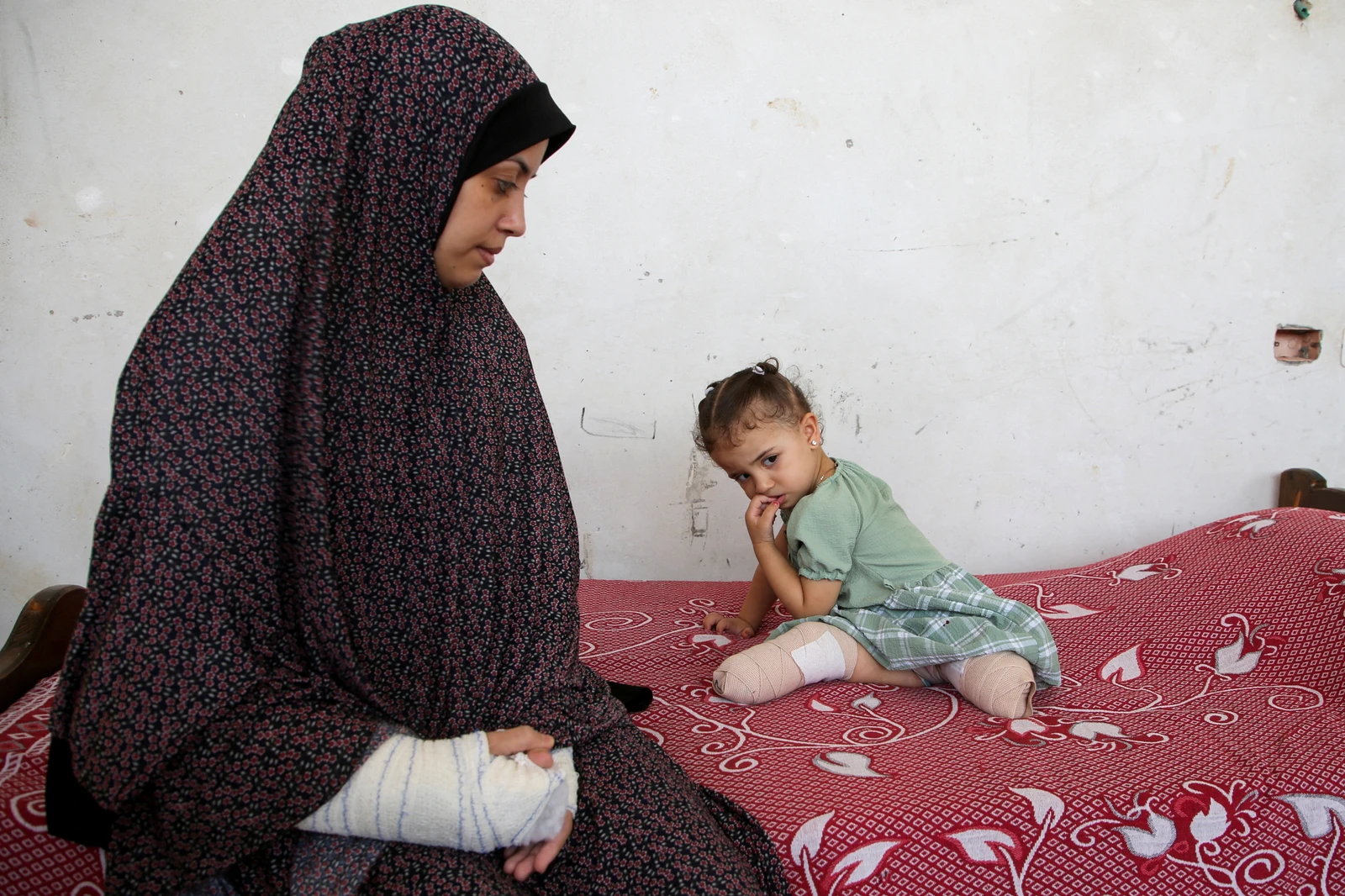
LONDON: More than 1,100 children in Gaza have undergone amputations, with Israeli restrictions on medical supplies and travel denying many the treatment and prosthetic limbs they need to recover, according to Euro-Med Human Rights Monitor.
The rights group said in a Nov. 4 statement that attacks causing children to lose limbs, combined with restrictions that prevent treatment and rehabilitation, “falls within the genocide Israel is committing against Palestinians in the Gaza Strip.”
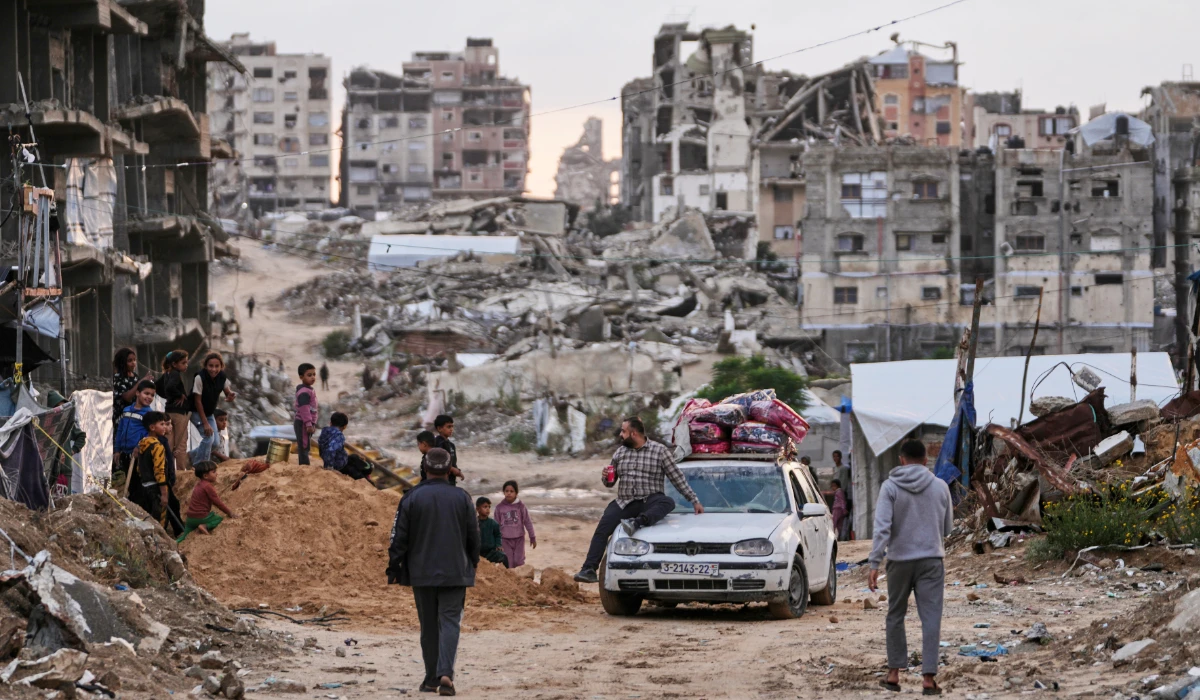
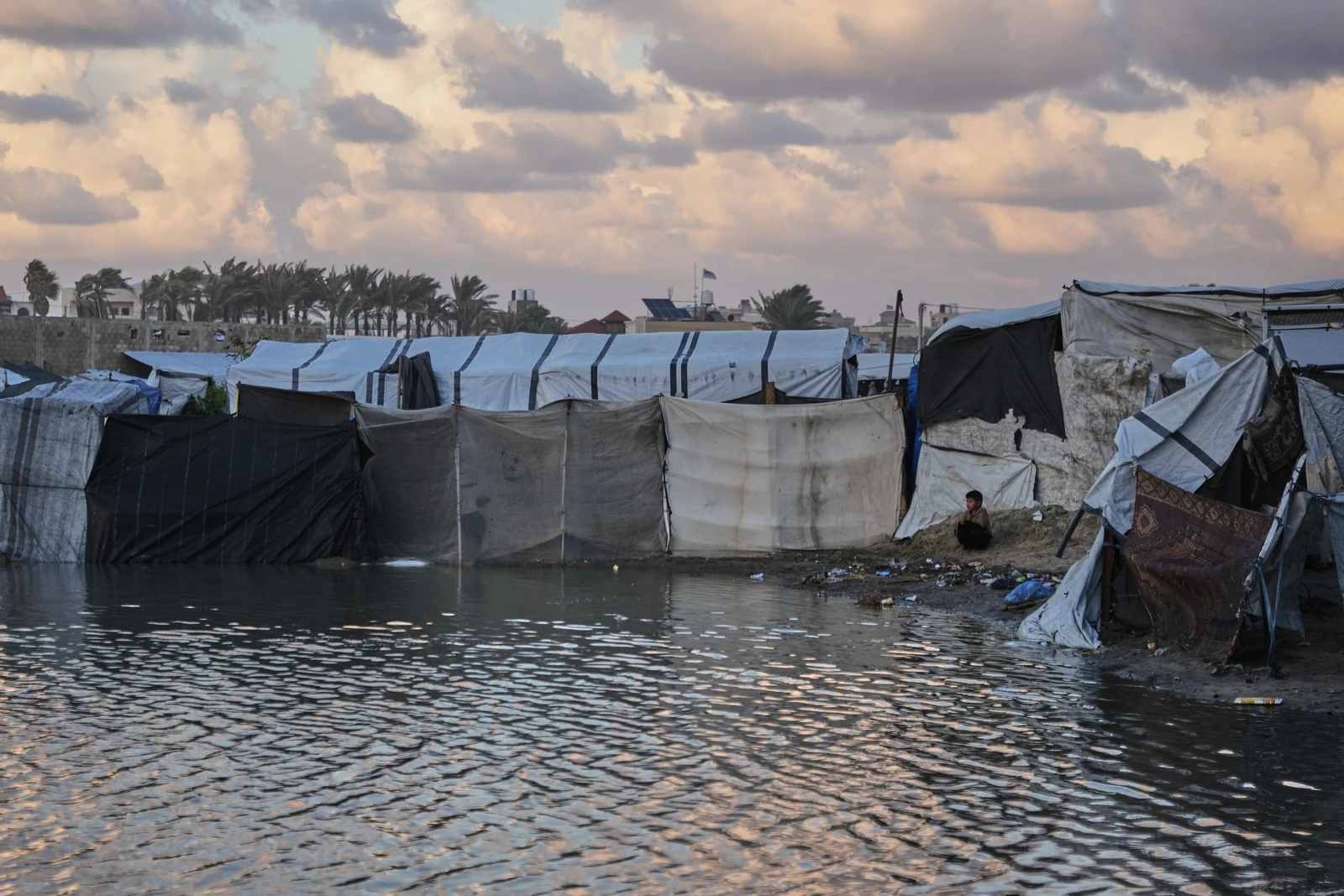
It added that 1,134 children had undergone amputations as of Oct. 9, 2026. Many face prolonged interruptions in rehabilitation while living in tents and damaged shelters where rubble, uneven ground and inaccessible sanitation facilities make everyday activities difficult.
The lack of suitable prosthetic limbs has forced some children to improvise makeshift devices using plastic pipes.
An 11-year-old boy from Beit Lahia, identified by Euro-Med Monitor only by the initials R.Q., said he lost a leg in a June 26 attack that killed his mother and younger brother while the family was traveling to visit relatives in Khan Younis.
“I tried to find a way to walk, making a substitute for my amputated leg from a plastic pipe despite the pain and repeated falls,” he told the group. “All I hope for is to leave for treatment and get a prosthetic limb that will help me walk and return to playing football with my friends.”
His account reflects a wider shortage of rehabilitation services and equipment.
In a May 12 update, the World Health Organization said only 500 of 2,300 people with amputated limbs assessed between September 2024 and May 2026 had been fitted with permanent prostheses. Those figures include adults and children.
No rehabilitation facility in Gaza was fully functional, WHO said.
Between May 2024 and mid-April 2026, 18 shipments of rehabilitation supplies, including prosthetic limbs and wheelchairs for children and adults, were awaiting clearance, with delays ranging from 130 to 520 days, according to WHO.
Children who lose limbs need continuing wound care, pain management, physical therapy and psychological support, as well as prostheses that can be adjusted or replaced as they grow, Euro-Med Monitor said.
Interrupted care can worsen injuries, prolong pain and limit their ability to move independently.
Israeli restrictions on medical evacuations further limit access to specialized treatment unavailable in Gaza, the group said, leaving families struggling to secure care while coping with displacement, poverty and the loss of relatives.
The demands of caring for children with amputations fall on families already struggling to find food, shelter and basic services, Euro-Med Monitor said. Relatives often have to carry children across rubble, help them reach treatment and assist with daily needs.
Children who have also lost parents face additional barriers to care. Without stable caregivers, accessible transport and specialized support, they risk missing treatment and school and becoming increasingly isolated, the group said.
Makeshift mobility devices can compound those difficulties. Euro-Med Monitor said poorly fitted substitutes can cause pressure wounds, pain and falls, potentially delaying rehabilitation and making it harder to use a properly fitted prosthesis later.
Without adequate support, Euro-Med Monitor warned, the consequences of childhood amputations could extend far beyond the initial injuries, restricting education, employment and independence throughout their lives.