- Omani Foreign Minister Sayyid Badr Al-Busaidi called on UN members for dialogue and respect for international law to resolve regional conflicts
- Al-Busaidi said Oman would continue working to safeguard navigation through the Strait of Hormuz, urging all parties to cooperate to protect shipping and energy security
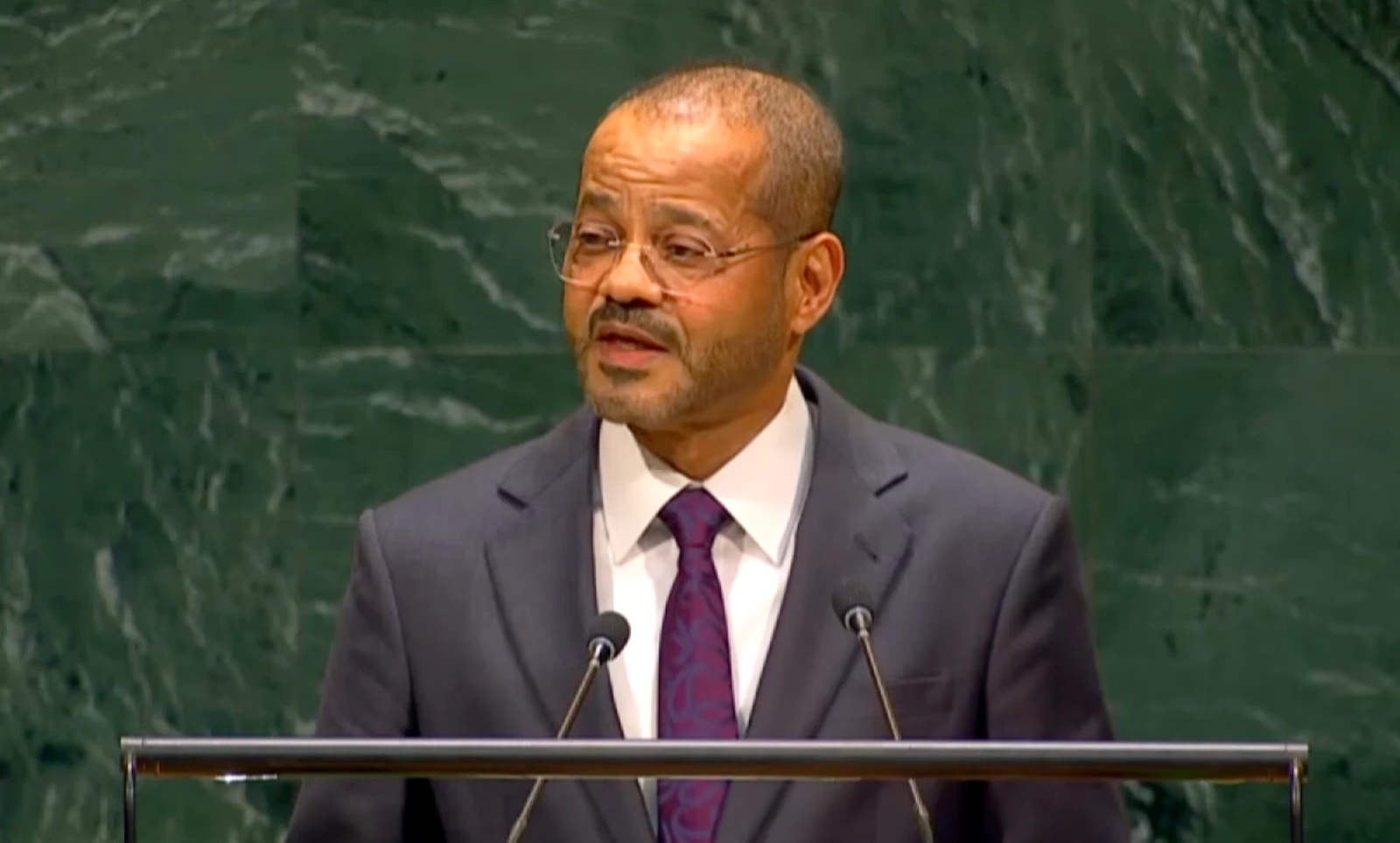
UNITED NATIONS, NEW YORK: Omani Foreign Minister Sayyid Badr bin Hamad bin Hamood Al-Busaidi urged UN members on Saturday to “refrain from the use of force” when addressing conflicts and disputes.
In his speech at the UN General Assembly on Saturday, Al-Busaidi said Oman’s policy was centered on pursuing peace and justice around the world.
He also urged the safeguarding of the Strait of Hormuz, through which a significant share of the world’s oil supplies passes.
“The Sultanate of Oman will continue its steadfast approach to finding peaceful and consensual solutions to disputes based on the values and principles that help us achieve our shared goals of achieving security and stability for all and advancing economic development projects and prosperity, shared prosperity for our peoples,” Al-Busaidi said.
“Refraining from the use of force and interference in the internal affairs of states and being guided instead by the Charter of the United Nations and international law and respecting the sovereignty and independence of states can provide a sound framework that governs international relations and that builds trust and constructive cooperation among states.”
Oman has come under increased scrutiny because of its strategic position near the Strait of Hormuz and its role in facilitating dialogue between Iran and the US.
Muscat has sought to use its longstanding policy of diplomatic engagement to help de-escalate regional tensions, while the conflict has raised concerns over shipping, energy security and trade through the waterway.
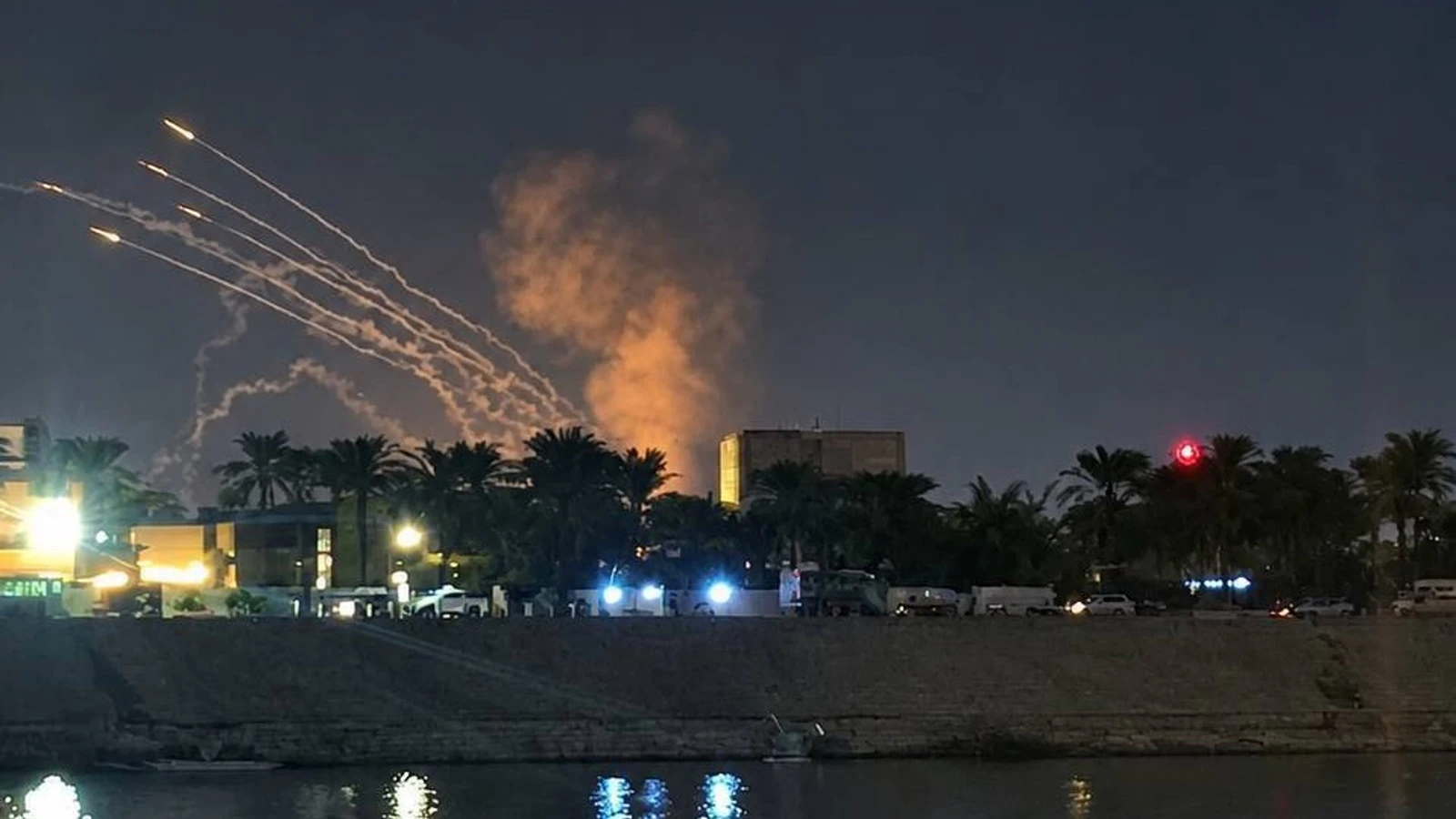
Al-Busaidi said negotiations and dialogue could have avoided the conflict in the region and its devastating effects on the Gulf, including the disruption of navigation through the Strait of Hormuz, a major artery for transporting oil.
“At the beginning of this year, our region witnessed a war that could have been avoided. Subsequent events have shown that the escalation has extended to threaten the security of the countries of the region and paralyze navigation and trade through the vital Strait of Hormuz, affecting energy security, price stability, and confidence in the current international order,” Al-Busaidi argued.
“The Sultanate of Oman once again reaffirms its steadfast commitment to continuing its efforts aimed at safeguarding navigation in the Strait of Hormuz in accordance with the principles of international law and the United Nations Convention on the Law of the Sea. We also call upon all parties to cooperate with Oman in these efforts aimed at safeguarding the interests of all parties relying on transit through the Strait of Hormuz.”
Al-Busaidi said Oman stood in solidarity with Gulf countries affected by the conflict involving the US, Israel and Iran.
“The Sultanate of Oman renews its solidarity with all neighboring countries, including the member states of the Gulf Cooperation Council, in the legitimate measures they take to maintain their security and protect their sovereignty and territorial integrity,” Al-Busaidi said.
“We call upon all parties concerned to settle their outstanding disputes through pursuing a policy of self-restraint and foresight, and through engaging in dialogue to reach consensual political solutions and sustainable understandings for the benefit of all.”
He stressed that Oman supported a political solution to the crisis in Yemen that preserved the country’s unity, stability and territorial integrity.
“The government of the Sultanate of Oman renews its support for reaching a political solution to the crisis in Yemen, one that preserves the unity, stability, and territorial integrity of this great country, one that meets the aspirations of all components of the brotherly Yemeni people, one that puts Yemen on the path of reconstruction, development, and prosperity.”
Al-Busaidi said Oman adhered to the rule of international law and the UN Charter, and would continue cooperating with other UN member states “to establish a world that is more secure, more stable and more prosperous.”
He added that Oman was committed to its economic and social development strategy, Oman Vision 2040, and to empowering women. He noted that Oman had allocated 11 additional seats for women on the Shura Council, also known as the Majlis A’Shura.