- ‘Isolationism and polarization are intensifying’ worldwide, Ahmed Attaf says in appeal for dialogue
- Palestinian cause a ‘daily test of the credibility of the international legal system’
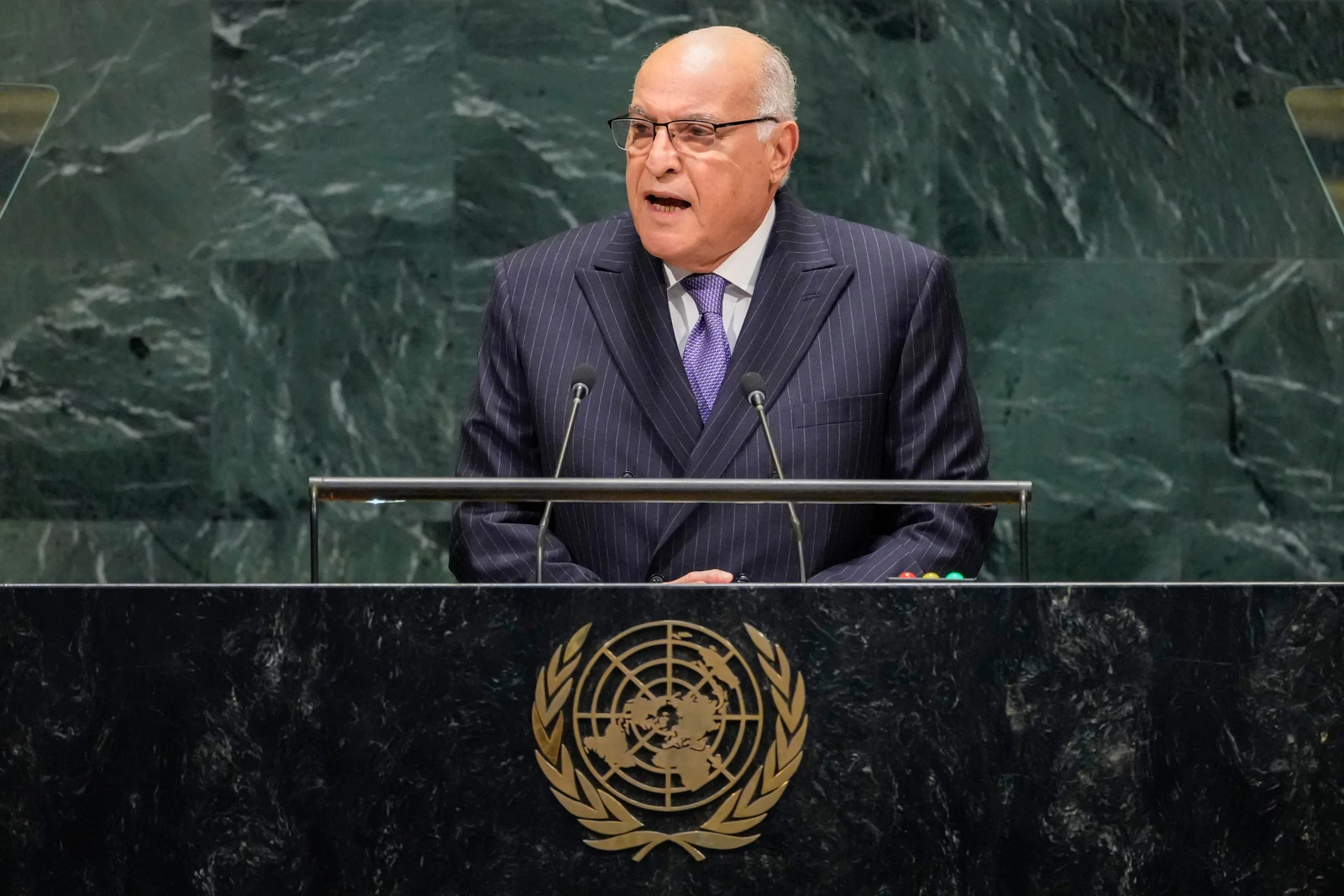
LONDON: Conflict in the Middle East is “eroding the boundaries” that separate “what’s acceptable and what must remain rejected and condemned in international relations,” Algeria’s foreign minister told the UN General Assembly on Monday.
Trust among nations worldwide is in decline as “isolationism and polarization are intensifying,” Ahmed Attaf said.
It comes as the “logic of power” once again reasserts itself in the global order, eclipsing dialogue and consensus, he added.
“In such a turbulent international context, the danger lies not only in the outbreak of wars, but also in the normalization and acceptance of war itself,” he said.
“It lies in the transformation of the exception into the rule, to a situation where the rules of international law become applicable at times and suspended at others, subject only to the dictates of power balances.”
Attaf’s address highlighted Algeria’s strong support for a common African position on UN reform, condemnation of conflict in the Middle East and the plight of the Palestinian people.
“What sort of international order can function properly when principles are selected according to the identity of those who violate them?” he asked.
“What confidence can remain in international law when the aggressor is granted the right to self-defense while the victim is required to justify even the right to survive?”
Attaf highlighted Algeria’s strong support of the UN’s principles and multilateralism as a bulwark against the “scourge of war.”
However, UN reform is “no longer an institutional luxury” but “a necessity imposed by the profound transformations the world has undergone; it’s imposed by the need for a more just international order, an international order that’s more representative and more equitable.
“Algeria calls for strengthening the role and the authority of the General Assembly and for profound reform of the Security Council that would make it more representative, more equitable and more effective, and that would put an end to selectivity and double standards in the application of international law.”
He said Algeria supports the African position on UN reform, which aims to “correct the historical injustice suffered” by the continent.
This would require “permanent and fair African representation in the Security Council with full powers,” Attaf added.
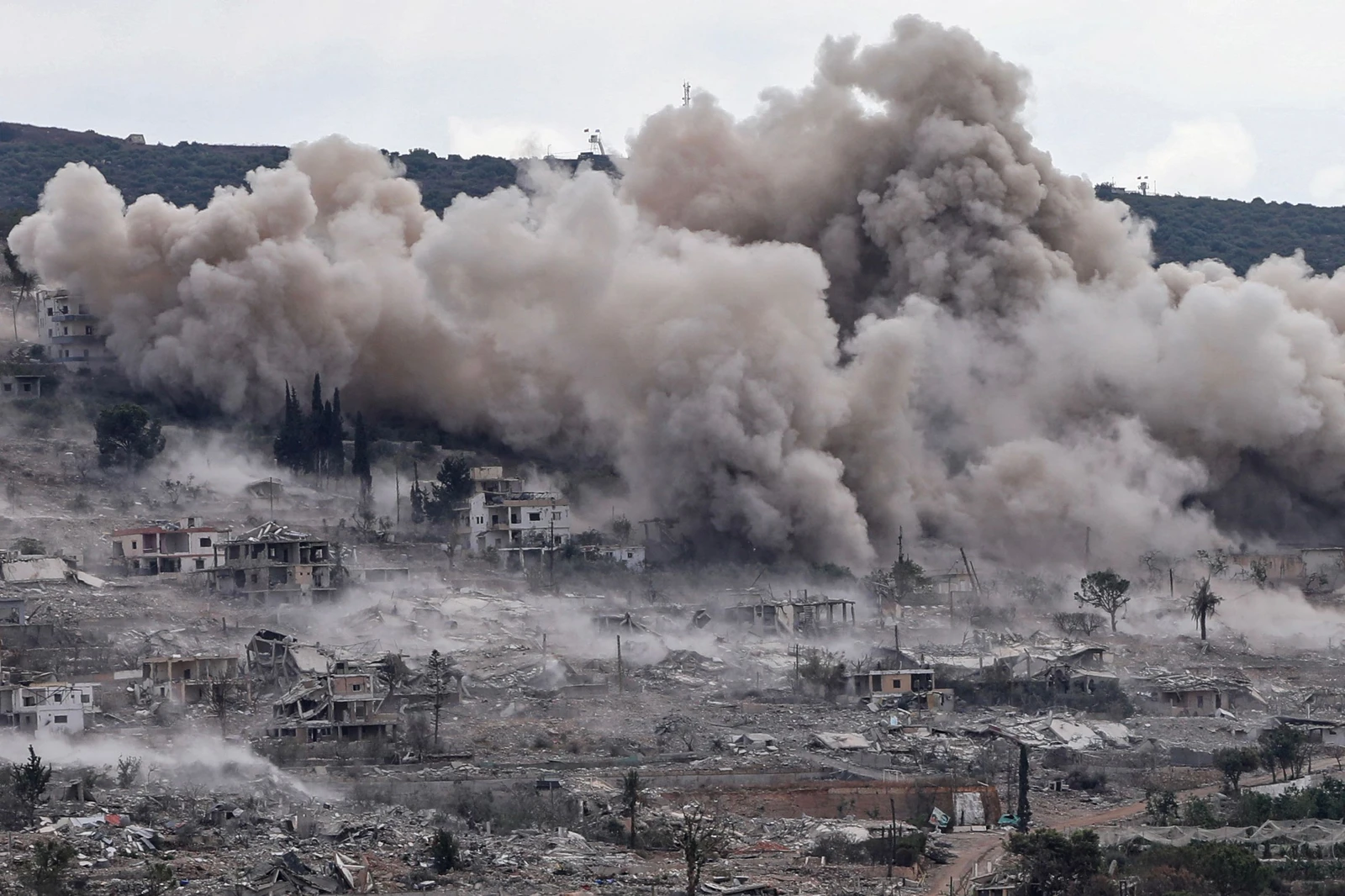
The Middle East is passing through one of the dangerous moments of its history, he warned, adding that the destruction is “weighing heavily on the states and peoples of the region, and is undermining their security and stability, and threatening the welfare and development of their peoples — peoples who’ve found themselves held hostage to calculations that aren’t their own, and interests that aren’t their own.”
He condemned violations of sovereignty and territorial integrity, including “continued Israeli attacks against countries in the region, particularly Syria and Lebanon, and its efforts to divide sisterly Somalia.”
He added: “In Palestine, the humanitarian tragedy continues. The Israeli occupation continues to kill Palestinian civilians, including large numbers of women and children, in a scene that should never become a normalized part of the world’s daily reality.”
The Palestinian cause represents a “daily test of the credibility of the international legal system,” Attaf said. “Africa is yet another test.”
He added: “Algeria is firmly attached to its African identity; it’s deeply imbued with a culture of peace and dialogue.
“Algeria will continue to support the just causes of the peoples of the continent. Algeria will contribute to every effort that opens pathways toward stability, development and integration.”
Attaf reiterated Algeria’s support of self-determination for Western Sahara, and welcomed negotiations between Morocco and the Polisario Front earlier this year, held under the auspices of the UN and US.
Neighboring Libya is “another example that shows that protracted crises can’t be resolved by deepening divisions but rather through dialogue, reconciliation and the unification of institutions,” Attaf said.
He called for an end to all foreign interference in the Libyan political process, and expressed Algeria’s support for a UN-brokered solution to the country’s crisis.
Attaf highlighted his country’s development credentials and said Algeria has “chosen to be an active participant in the changes that the world is witnessing today, not simply a recipient of these changes.”
Its transformation agenda is built upon principles of social justice, as well as economic and environmental sustainability, he said, adding: “It’s based on a clear, and firm, and unwavering principle that no one should be left behind, and that not a single Algerian man or woman should be marginalized in the journey of national development.”
Strong ties with the rest of Africa are essential in achieving Algeria’s goals, Attaf said, adding: “The destiny of the peoples of the continent is interconnected; their challenges are shared. This makes solidarity and integration in Africa indispensable pillars of sustainable development.
“As we witness the accelerating technological revolution, we can’t accept that Africa would remain on the margins or simply become a consumer of its outputs.
“Our responsibility today isn’t to leave to our children a legacy of a world that’s burdened with our crises; rather, what we owe them is to leave them a world that’s better than the one we’ve inherited.
“Let us move together forward, not because the path is an easy one, but because the alternative to cooperation is for each of us to face the storms of this era alone, isolated and powerless.”
Attaf urged UN member states to restore the organization as a space where “diplomacy regains its place, where confidence in institutions is restored, and where respect for international law becomes a shared commitment rather than a matter of convenience subject to whims.”
He said: “Let us work together for a world where the application of law isn’t a privilege, in which peace isn’t merely the temporary absence of war, and in which development isn’t reserved for those who came first, but rather a shared right of all peoples, with all their diversity and for all generations to come.”