- FM slams ‘international community’s failure to take steps to deter atrocities and violations by rebel militia’
- Mohieldin Salim Ahmed Ibrahim: ‘The cause of Palestine remains the central issue in the Middle East’
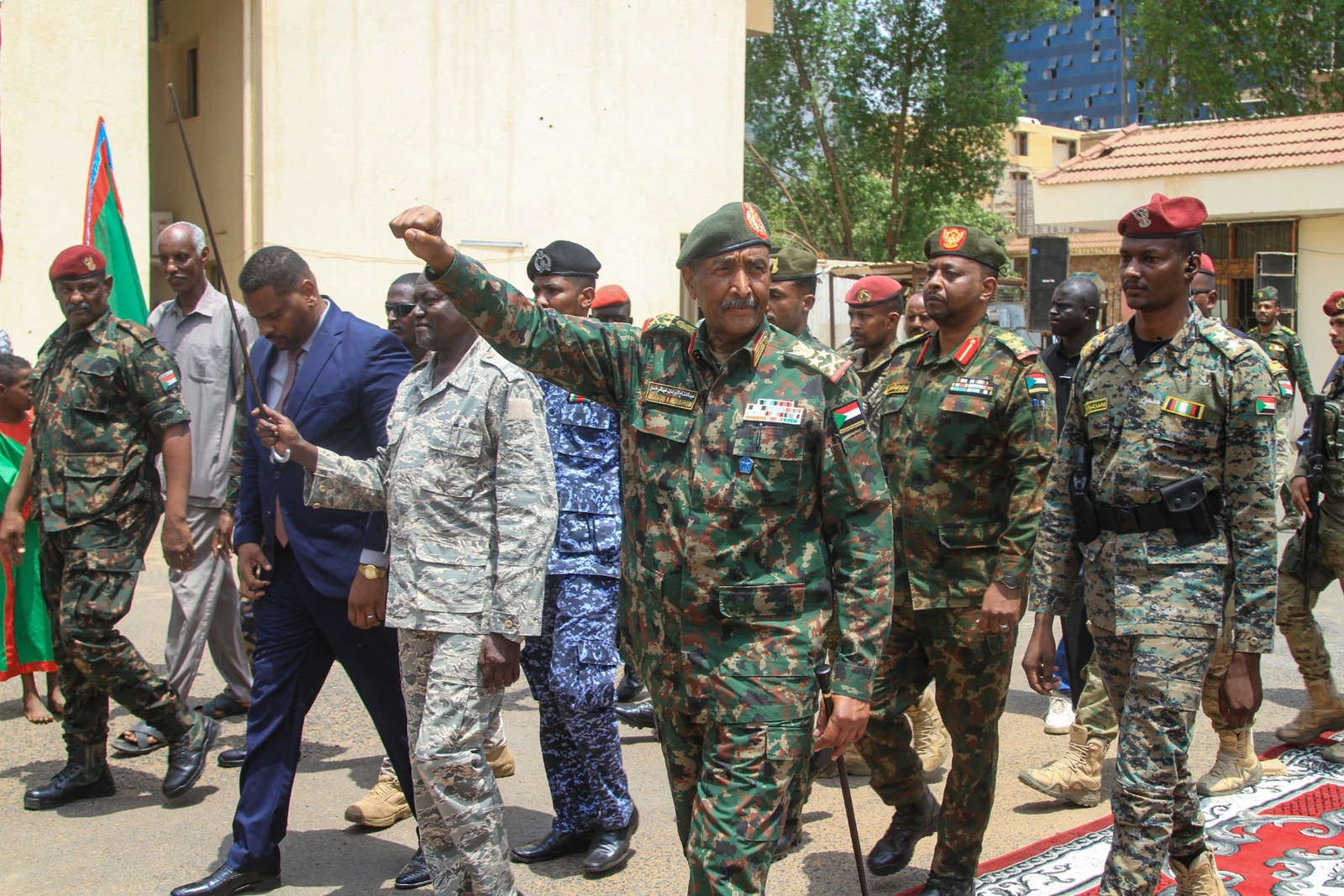
LONDON: Sudan’s foreign minister on Monday called on the UN to ensure that agreements on the responsibilities of the US as the host nation of the international organization are upheld, after the chairman of the country’s Transitional Sovereignty Council, Abdel Fattah Al-Burhan, was denied an entry visa.
Speaking at the UN General Assembly in New York, Mohieldin Salim Ahmed Ibrahim asked the secretariat to ensure that the US acts “in accordance with its obligations,” and demanded that the incident “be formally documented and examined by the relevant UN mechanisms responsible for the implementation of the headquarters agreement.”
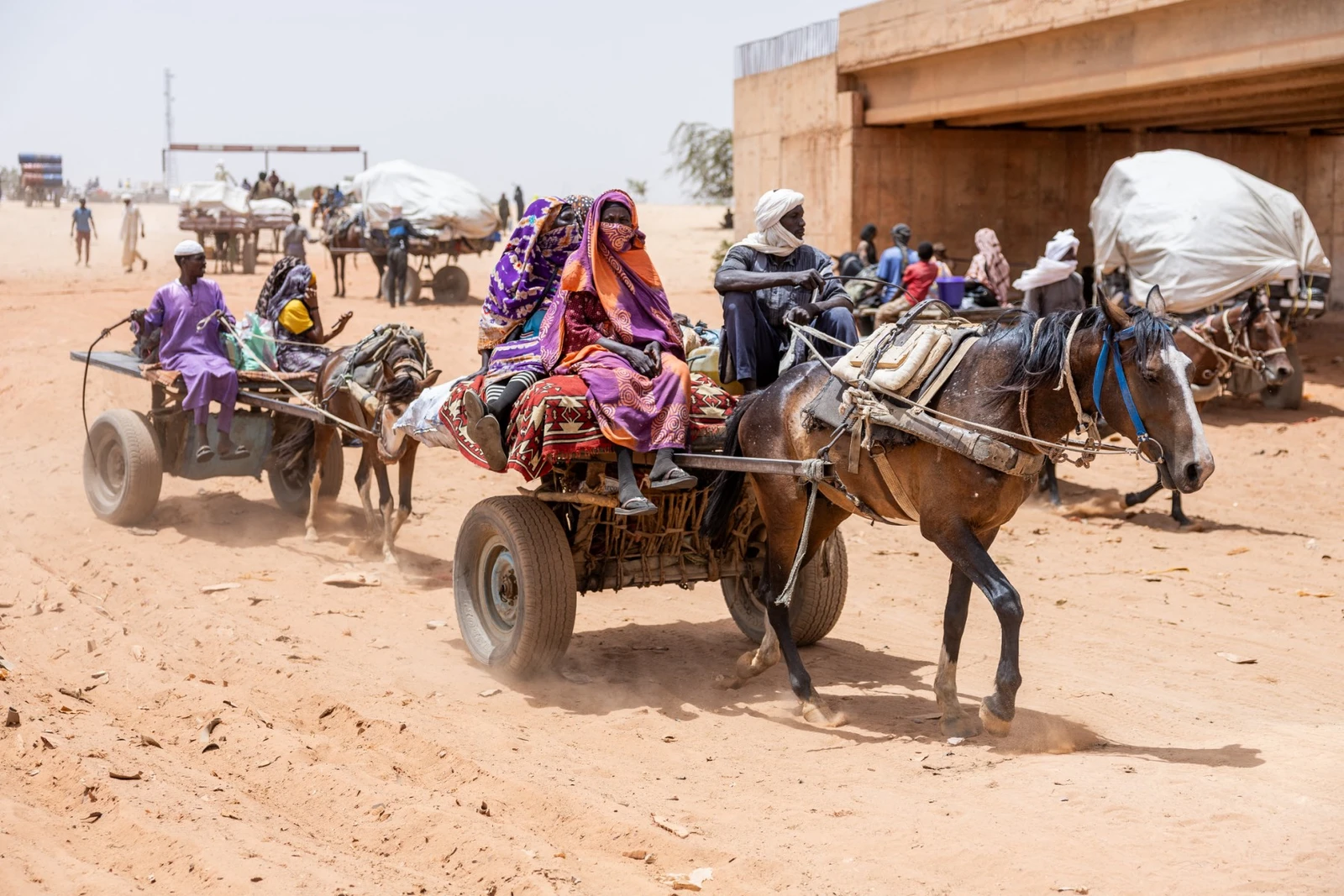
Ibrahim raised the issue of his country’s ongoing civil war, and the need for international dialogue and the end of foreign support for the Rapid Support Forces, which is engaged in hostilities with the Sudanese Armed Forces.
“We in Sudan are a peace-loving nation,” he said, “but we also seek a just peace. We reaffirm that comprehensive, lasting and just peace in Sudan — in a manner that ensures the non-recurrence of conflict — can’t be achieved without ending persistent external interference; halting the flow of weapons, ammunition and mercenaries into Sudan; dismantling the terrorist militia (RSF); stopping its attacks against civilians, cities, civilian objects, infrastructure, dams, medical centers and hospitals; disarming this militia; and ensuring that arms remain exclusively in the hands of the state and its established, legitimate national institutions.”
Taking aim at the commander of the RSF, Muhammad Hamdan Dagalo Musa, Ibrahim said: “Peace and stability in Sudan can’t be discussed while the destructive war waged by Dagalo’s terrorist militia against the Sudanese people continues.
“The international community’s silence and failure to take steps to deter the atrocities and violations committed by the rebel militia in Sudan — despite the availability of documented and credible evidence — its disregard for legitimate calls to designate it as a terrorist organization, and its failure to take decisive measures to stem the flow of weapons, material and mercenaries supporting the terrorist militia across our borders, are the factors that prolong the war and encourage the militia’s continued aggression.”
Ibrahim said the international community has not done enough to recognize or stop the atrocities being committed in Sudan.
“Silence regarding the atrocities committed by the terrorist militia in Sudan is not only shameful, unethical and complicit; it’s a betrayal of the civilian victims, of women and girls who’ve demonstrated unprecedented resilience in enduring suffering beyond description, and indeed of an entire people,” he added.
“We call on the international community to capitalize on global momentum and show solidarity with Darfur following the Dagalo militia’s takeover of El-Fasher, and the compelling evidence and testimony presented by the sultan of the Masalit people to the Security Council. We call upon you to advance legal accountability processes for the perpetrators.
“These continued violations alone undermine the credibility of any political partnership with the political wing of the Rapid Support Forces militia during the remainder of the transition period, given its continued and reprehensible complicity.
“The Security Council has failed to condemn and identify the (RSF’s) sponsors, thereby contributing to the concealment of those atrocities.
“These sponsors have also continued to recruit foreign mercenaries and provided political cover to the militia’s political wing while fabricating accusations against the Sudanese Armed Forces — supported by regionally funded platforms backed by the militia’s sponsors — that disseminate disinformation, baseless allegations and fabricated condemnations aimed at tarnishing the reputation of our professional armed forces.”
He called for a “comprehensive, nationally owned Sudanese-Sudanese dialogue to achieve peace.”
However, Ibrahim listed a series of criteria needed for talks to be successful and see the country make the transition to peace and, in time, free and fair democratic elections.
He demanded measures “to protect civilians, reduce polarization, de-escalate tensions and contain political estrangement among civilian, political and military forces,” and requested “constructive confidence-building measures to provide the dialogue with credibility and legitimacy.”
He said the dialogue must be “free from external interference and free from bargaining, intimidation and coercion,” and called for “the implementation of the provisions of the Jeddah Declaration,” including “the facilitation of humanitarian action, meeting the needs of civilians and affected persons, and ensuring the safe and voluntary passage of civilians leaving areas of hostilities.”
Ibrahim said Sudan has been living under sanctions “for more than two decades,” and called for an end to sanctions being used as a political tool by states which in his country had “undermined sovereignty,” led to violence and “hindered reconciliation.”
He also called for a reform of the international financial order to allow countries such as Sudan fairer access to funds for development and to combat climate change.
“Peace is a process requiring patience, determination and commitment to addressing the root cause of conflict, removing sources of instability, disarming armed groups, restricting arms possession to the state and building peace,” Ibrahim said.
He also discussed the wars in Gaza and the Gulf. “The cause of Palestine remains the central issue in the Middle East,” Ibrahim said.
“The Palestinian people must be empowered to exercise their right to self-determination and establish their independent state with Jerusalem as its capital, and refugees must be allowed to return.
“Sudan also stresses the importance of stability in the Red Sea, Bab Al-Mandab and the Gulf region, given their impact on the wider region.
“There’s a need to end the current situation in a manner that spares the peoples of the region from the scourge of war and its consequences.”