- Favorable weather and increased rainfall have contributed to the rise in production, ensuring adequate irrigation supplies
- Despite increased production, challenges such as limited export opportunities and rising costs of fuel and transportation for farmers remain
DAMASCUS: The Syrian Arab Republic expects its 2026 citrus harvest to reach 840,000 tonnes with an estimated market value of $588 million, the country’s agriculture ministry has announced.
Hatem Majar, director of the ministry’s Citrus Office, said production was projected to rise 18 percent above the average recorded over the past decade, supporting about 50,000 farming families and workers across the agricultural supply chain.
He attributed the increased production to favorable weather and greater rainfall during the previous season, which replenished reservoirs and secured sufficient irrigation supplies through the summer.
The ministry expects domestic production to meet market demand from September 2026 through April 2027, with a surplus available for export.
Production is concentrated in the coastal provinces of Latakia and Tartous, which are expected to produce 639,000 and 201,000 tonnes, respectively. Other provinces account for fewer than 1 percent of national output.
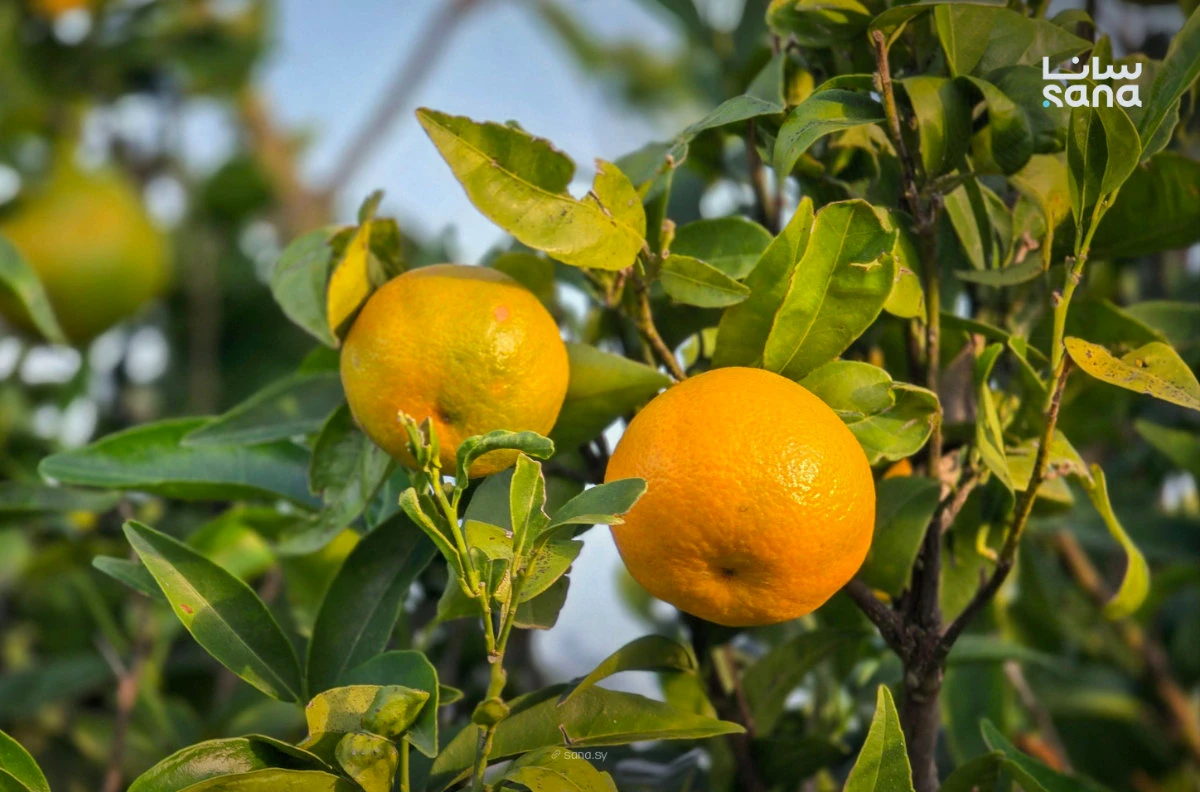
Oranges make up the largest share of the harvest at 517,000 tonnes, followed by mandarins at 161,000, lemons at 126,000, and grapefruit and pomelos at 36,000 tonnes.
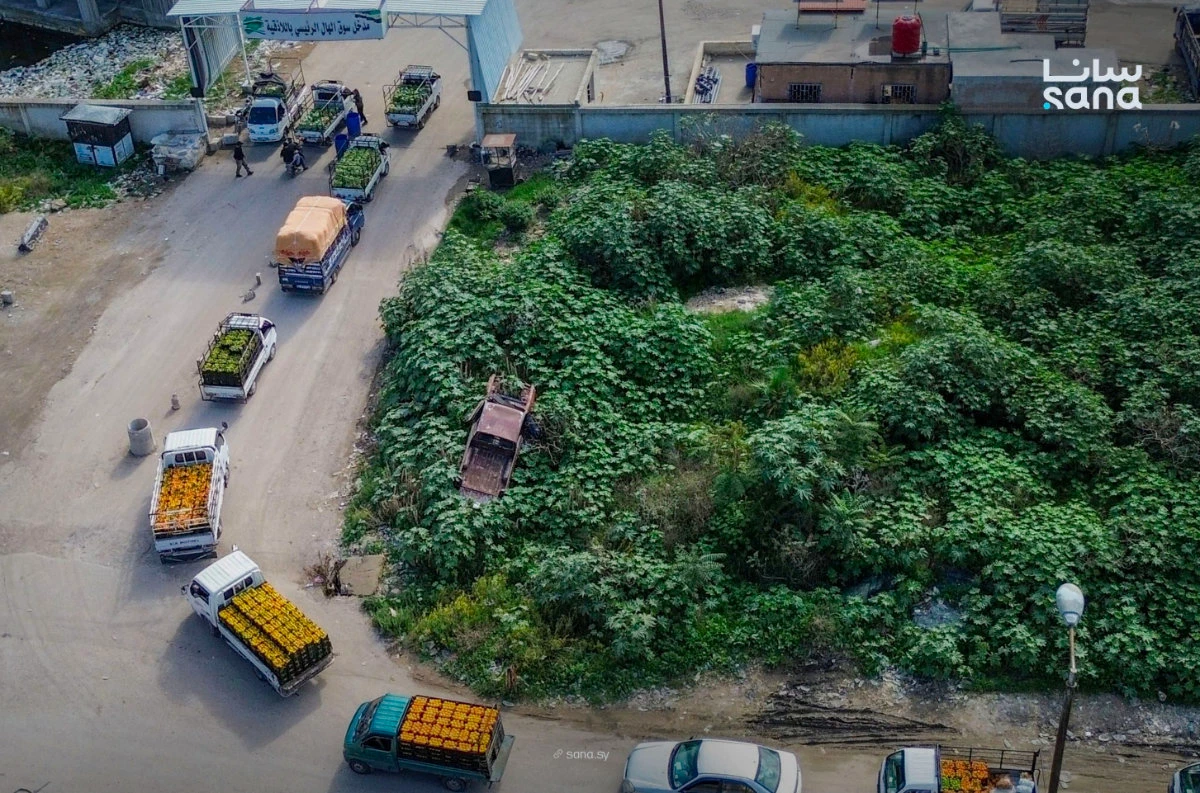
Despite higher production, Majar said farmers faced limited export opportunities, insufficient sorting and packaging capacity, and rising fuel and transportation costs.
He said upgrading packaging facilities would help increase exports and ease pressure on domestic markets. He also warned that harvesting fruit before it reaches maturity could undermine consumer demand and product quality.
Majar said current citrus prices generally cover production costs, but farmers’ profit margins remain narrow and called for stronger cooperation between government agencies and private companies, improved marketing infrastructure, and wider adoption of contract farming to protect producers and buyers. He also stressed the importance of digitizing wholesale produce markets to improve price monitoring and track agricultural shipments.
The ministry is working with the UN Food and Agriculture Organization to introduce certification programs for citrus and other crops, aimed at improving quality standards and helping Syrian products meet international market requirements.
Agricultural expert Akram Afif called for greater investment in citrus processing to absorb seasonal surpluses, reduce waste and protect farmers from falling prices. He said Syria could expand production of dried citrus fruit, essential oils and compounds extracted from citrus peels for pharmaceutical and industrial uses, creating new export opportunities.
Afif warned that limited processing and storage capacity contributed to recurring surpluses and losses, urging investment in facilities that would allow citrus products to be marketed throughout the year. He also welcomed the decision to suspend citrus imports, saying domestic production was sufficient to meet demand and that Syrian farmers should be given priority.
According to Agriculture Ministry figures, citrus cultivation covers approximately 41,000 hectares, mainly in Syria’s coastal regions. The country produced around 688,000 tonnes of citrus fruit in 2025.