- Latest explosions, at army weapons depot near Al-Eis, injure at least 4 people and spark widespread panic and memories of war among nearby residents
- Incident is fourth at a military site this month; Israeli involvement reportedly being investigated but analyst tells Arab News there is as yet no solid evidence of that
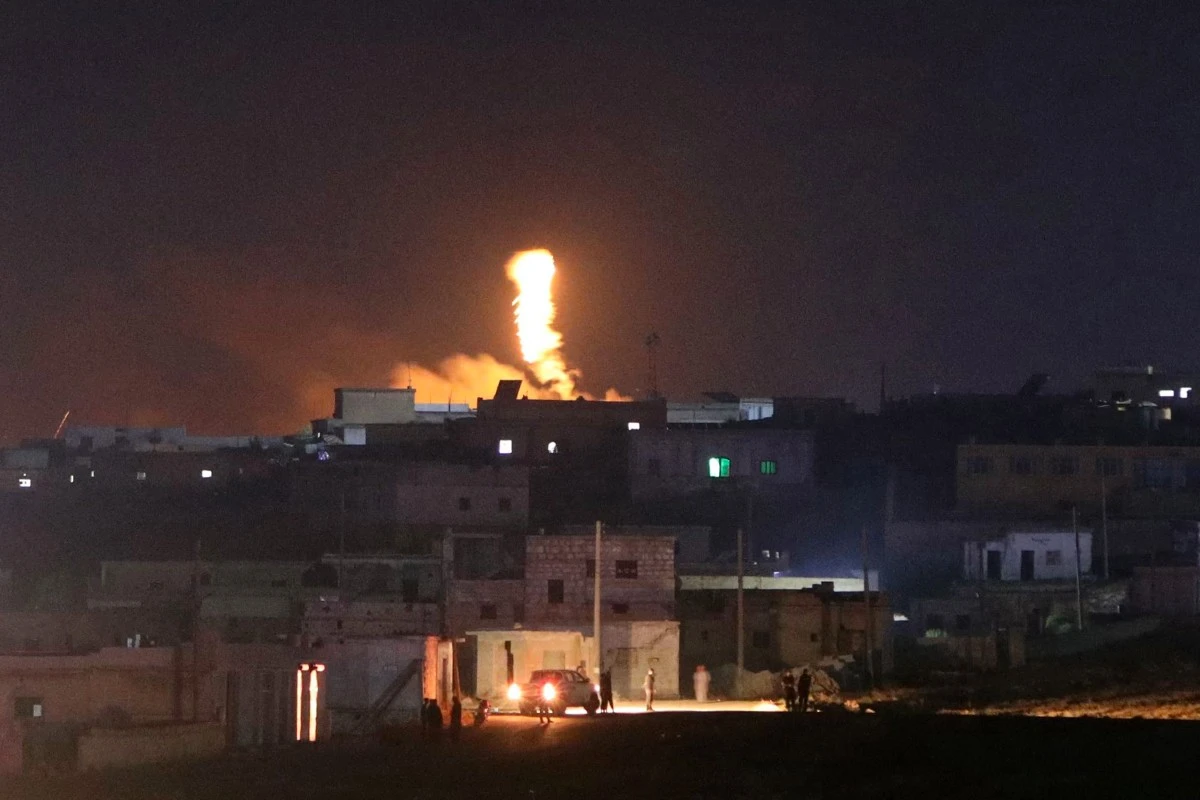
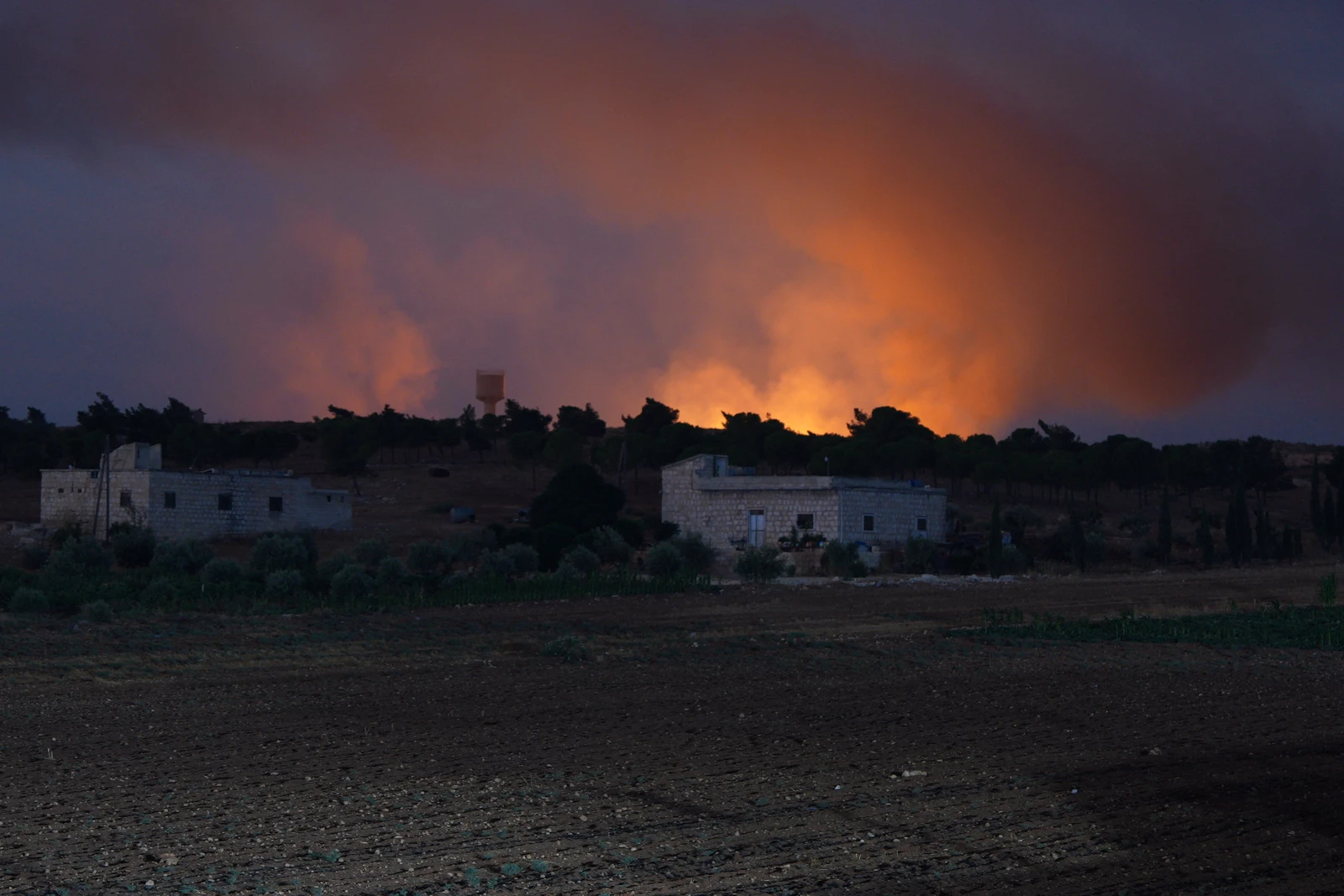
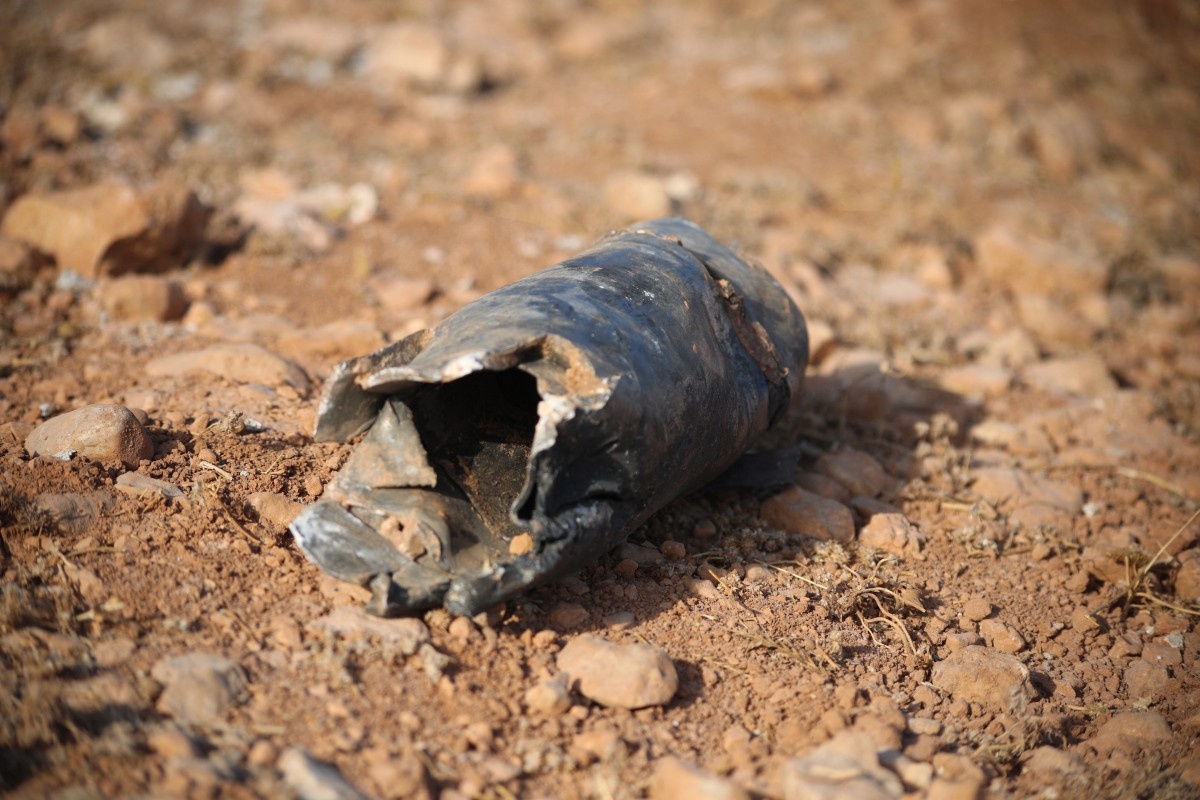
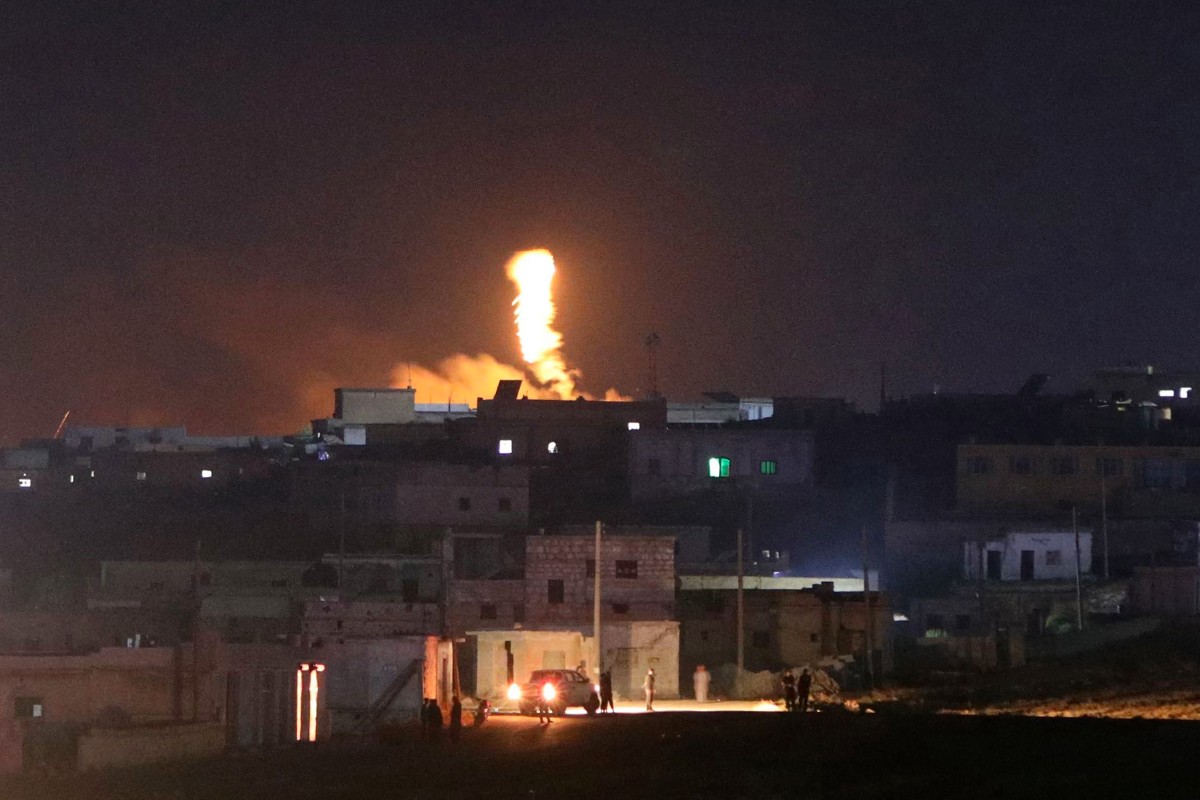
LONDON: Successive explosions at a Syrian army weapons depot near Al-Eis, south of Aleppo, caused panic early Monday, with residents describing a night of terror as continuing detonations prevented rescue teams from reaching the scene.
At least four people were injured in the blasts, Syrian state media reported. Civil Defense officials said ongoing explosions had prevented ambulances and rescue teams from approaching the site.
The incident was the fourth reported explosion at a Syrian military facility this month and the latest in a wider pattern of often unexplained blasts at weapons-storage sites across the country.
Syria’s Defense Ministry has opened an investigation into explosions at several military locations, including the Al-Eis depot, the state-run SANA news agency reported.
The ministry’s Media and Communication Department said authorities were working to establish the facts, determine responsibility and protect military personnel and nearby civilians.
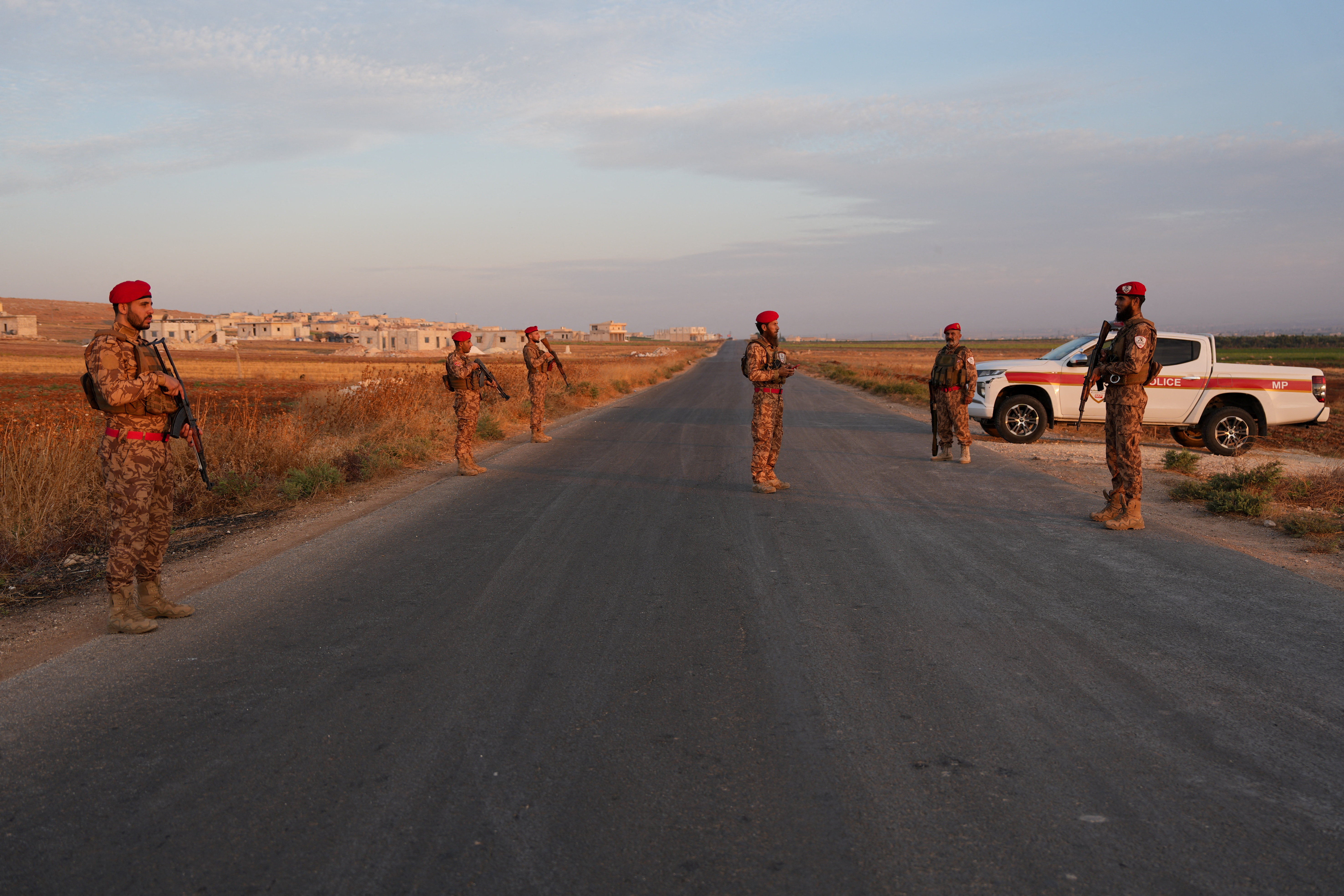
Security forces closed the Aleppo-Damascus highway and roads leading to the site as a precaution. The Ministry of Emergency and Disaster Management urged residents to stay away because of the risk from shrapnel and unexploded ordnance, warning those who had fled not to return until officials declared the area safe.
For many in Aleppo, the explosions brought back memories of the country’s long civil war.
Abu Hatem, a university lecturer living with his family in central Aleppo, said the detonations continued for more than an hour and were loud enough to be heard across the city, about a 15-minute drive from Al-Eis.
“The blasts were so powerful that the windows of our building shook,” he told Arab News.
Diana D., a computer programmer in Aleppo’s Al-Mogambo neighborhood, said she, her elderly mother and two daughters sheltered in an interior room of their home.
“It brought back memories of the war,” she said. “But this was different. The rockets were launching on their own — blindly. They could have flown anywhere and exploded in any direction.”
The apparent unpredictability of the blasts heightened residents’ fears. Both Abu Hatem and Diana said they wondered whether the explosions could have been deliberate, given the recent series of incidents at military sites.
Media reports have documented at least three other similar incidents this month, including a Sept. 9 explosion at a weapons depot in neighboring Idlib province that killed 14 people, and another blast in eastern Syria last week that killed 11.
Israeli broadcaster Kan News reported on Monday that Syrian authorities were examining possible Israeli involvement in a series of unexplained explosions at military weapons depots. Israel’s i24 News, citing a Syrian source close to the government who spoke to Haaretz, said Israeli involvement was among the possibilities under review.
Damascus has not accused Israel.
Samy Akil, a political analyst and senior adviser to The Syria Report, said the cause of the explosions remained unclear.
“Ultimately, we can only speculate,” Akil told Arab News. “However, it is notable that about four weapons depots have exploded within the span of a few weeks, each apparently containing significant quantities of medium- to heavy-caliber ammunition.”
The incidents have coincided with reports that Syria’s armed forces are increasing defense spending amid concerns about a possible confrontation with Israel, he said.
“If one follows that line of speculation, Israel would appear to be the actor most likely to benefit from such explosions,” Akil said. “However, there is not enough hard evidence to conclude that Israel is responsible.”
He said Syria’s military and security institutions remained fragile and could be vulnerable to infiltration.
Israel, he added, could view covert action against weapons depots as less risky than an overt bombing campaign, which could attract greater regional and international scrutiny in the absence of a clear justification.
“It is plausible that Israel would prefer covert measures to neutralize weapons depots rather than a direct and public bombing campaign, which would attract far greater international and regional scrutiny in the absence of a clear casus belli,” he said.
Akil said the pattern could also reflect persistent problems with weapons handling and storage.
A Reuters tally found at least 16 similar explosions at arms-storage facilities since former President Bashar Assad was ousted in December 2024. Syrian authorities have attributed some incidents to poor storage conditions, fires or deteriorating ammunition, while the causes of others have not been publicly established.
“It would not be surprising if there had been multiple cases in which Syrian armed forces failed to take the necessary precautions while transferring, handling or storing large quantities of weapons,” Akil said.
He also cited the danger posed by unexploded ordnance and remnants of war kept in populated areas without adequate safety measures.
“Nonetheless, the pattern is suspicious,” Akil said. “A series of explosions in such a short period raises more questions than a single incident would.
“One explosion might be a coincidence; two could be very bad luck. But as the number reaches four or five, it begins to look like part of a broader problem.”
The blasts come as Syrian authorities have reportedly grown increasingly frustrated by what they view as Israel’s reluctance to pursue a security agreement, as well as continued violations along Syria’s southern border.
Akil said there was still no evidence to support firm conclusions about responsibility.
“Even if internal Syrian sources were to confirm it, Syrian authorities may be reluctant to make it public, since doing so would imply an infiltration of the Syrian security apparatus,” he said. “That could be more embarrassing than taking responsibility for an explosion.”
Israel has reportedly continued to strike military sites in Syria since the fall of Assad in December 2024.
On Aug. 18, Israel struck Abu Al-Duhur air base in northwestern Syria. The Israeli government said it was acting to prevent a Turkish military foothold and accused Syria of being “on the verge of breaching” a security status quo by allowing Turkish troops to deploy at an air base near Aleppo. Damascus and Ankara denied the allegation.
Syria appealed to the UN Security Council, calling for an end to Israeli attacks, implementation of the 1974 Disengagement Agreement and Israel’s withdrawal from areas it entered after Dec. 8, 2024, as well as from the occupied Golan Heights.
LONDON: Successive explosions at a Syrian army weapons depot near Al-Eis, south of Aleppo, caused panic early on Monday, with residents describing a night of terror.
At least four people were injured in the blasts, Syrian state media reported. Civil Defense officials said ongoing detonations had prevented ambulances and rescue teams from approaching the site.
The incident was the fourth reported case of explosions at a Syrian military facility this month, and the latest in a wider pattern of mostly unexplained blasts at weapons-storage sites across the country.
Syria’s Defense Ministry has launched an investigation into the explosions at a number of military sites, including Al-Eis, the state-run SANA news agency reported.
The ministry’s Media and Communication Department said authorities were working to establish the facts, determine who was responsible, and protect military personnel and civilians.
Security forces closed the Aleppo to Damascus highway and roads leading to the site of the latest incident as a precautionary measure. The Ministry of Emergency and Disaster Management urged residents to stay away from the scene because of the risks from shrapnel and unexploded ordnance, and warned nearby residents who fled the area not to return until officials declared it safe to do so.
For many in Aleppo, the explosions brought back memories of the country’s long civil war, which began in March 2011 and ended in December 2024 with the fall of the Assad regime.
Abu Hatem, a university lecturer who lives with his family in central Aleppo, said the detonations continued for more than an hour and were loud enough to be heard all the way across the city in his neighborhood, which is about a 15-minute drive from Al-Eis.
“The blasts were so powerful that the windows of our building shook,” he told Arab News.
Diana D., a computer programmer in Aleppo’s Al-Mogambo neighborhood, said she, her two daughters and her elderly mother sheltered in an interior room of their home as the blasts rang out.
“It brought back memories of the war,” she said. “But this was different; the rockets were launching on their own — blindly. They could have flown anywhere and exploded in any direction.”
The apparent unpredictability of the blasts heightened residents’ fears. Both Abu Hatem and Diana said they wondered whether the explosions might have been deliberate, given the recent spate of incidents at military sites.
Media outlets have reported at least three other similar incidents this month, including an explosion on Sept. 9 at a weapons depot in neighboring Idlib province that killed 14 people, and another in eastern Syria last week that killed 11.
Israeli broadcaster Kan News reported on Monday that Syrian authorities were examining the possibility of Israeli involvement in a series of unexplained explosions at military weapons depots. Israel’s i24 News, citing a Syrian source close to the government who spoke to the newspaper Haaretz, similarly reported that Israeli involvement was one of the possibilities under review.
However, Syrian authorities had not publicly accused Israel as of Monday night.
Samy Akil, a political analyst and senior adviser to The Syria Report, said the cause of the explosions remained unclear.
“Ultimately, we can only speculate,” he told Arab News. “However, it is notable that about four weapons depots have exploded within the span of a few weeks, each apparently containing significant quantities of medium- to heavy-caliber ammunition.”
The incidents have coincided with reports that Syria’s armed forces were increasing defense spending amid concerns about a possible confrontation with Israel, he added.
“If one follows that line of speculation, Israel would appear to be the actor most likely to benefit from such explosions,” Akil said. “However, there is not enough hard evidence to conclude that Israel is responsible.”
Syrian military and security institutions remain fragile and could be vulnerable to infiltration, he added, and Israel might view covert action against weapons depots as a less risky option than overt bombing.
“It is plausible that Israel would prefer covert measures to neutralize weapons depots rather than a direct and public bombing campaign, which would attract far greater international and regional scrutiny in the absence of a clear” justification, Akil said.
However, the pattern of explosions might also reflect persistent problems with weapons handling and storage, he added.
A Reuters tally found at least 16 similar explosions at arms-storage facilities since the former president, Bashar Assad, was ousted in December 2024. The new Syrian authorities have attributed some incidents to poor storage conditions, fires or deterioration of ammunition but the causes of others have not been publicly addressed.
“It would not be surprising if there had been multiple cases in which Syrian armed forces failed to take the necessary precautions while transferring, handling or storing large quantities of weapons,” Akil said.
He also highlighted the danger posed by storing unexploded ordnance and other remnants of war in populated areas without adequate safety measures.
“Nonetheless, the pattern is suspicious,” he added. “A series of explosions in such a short period raises more questions than a single incident would.
“One explosion might be a coincidence, two could be very bad luck. But as the number reaches four or five, it begins to look like part of a broader problem.”
The blasts come as Syrian authorities have reportedly grown increasingly frustrated by what they view as reluctance by Israel to pursue a bilateral security agreement, as well as continued violations by Israeli forces along Syria’s southern border.
However, Akil notes that there was still no evidence to support any firm conclusions about the cause of, or responsibility for, the explosions.
“Even if internal Syrian sources were to confirm it, Syrian authorities may be reluctant to make it public, since doing so would imply an infiltration of the Syrian security apparatus,” he said.
“That could be more embarrassing than taking responsibility for an explosion.”
Israel has reportedly continued to strike military sites in Syria since the fall of Assad. On Aug. 18, for example, Israeli forces struck Abu Al-Duhur air base in northwestern Syria. The Israeli government said it was acting to prevent Turkiye establishing a military foothold, and accused Syria of being “on the verge of breaching” the security status quo by allowing Turkish troops to deploy at an air base near Aleppo. Damascus and Ankara denied the allegation.
Syrian authorities have appealed to the UN Security Council, calling for an end to Israeli attacks, the full implementation of the 1974 Disengagement Agreement between Israel and Syria, and the withdrawal of Israeli forces from areas they entered after Dec. 8, 2024, and from the occupied Golan Heights.