- Brad Cooper emphasized US support for Gulf oil exports, with over 1.5 billion barrels exported since summer
- Over 3,000 commercial vessels transited Hormuz with US support in the last 6 months, according to CENTCOM
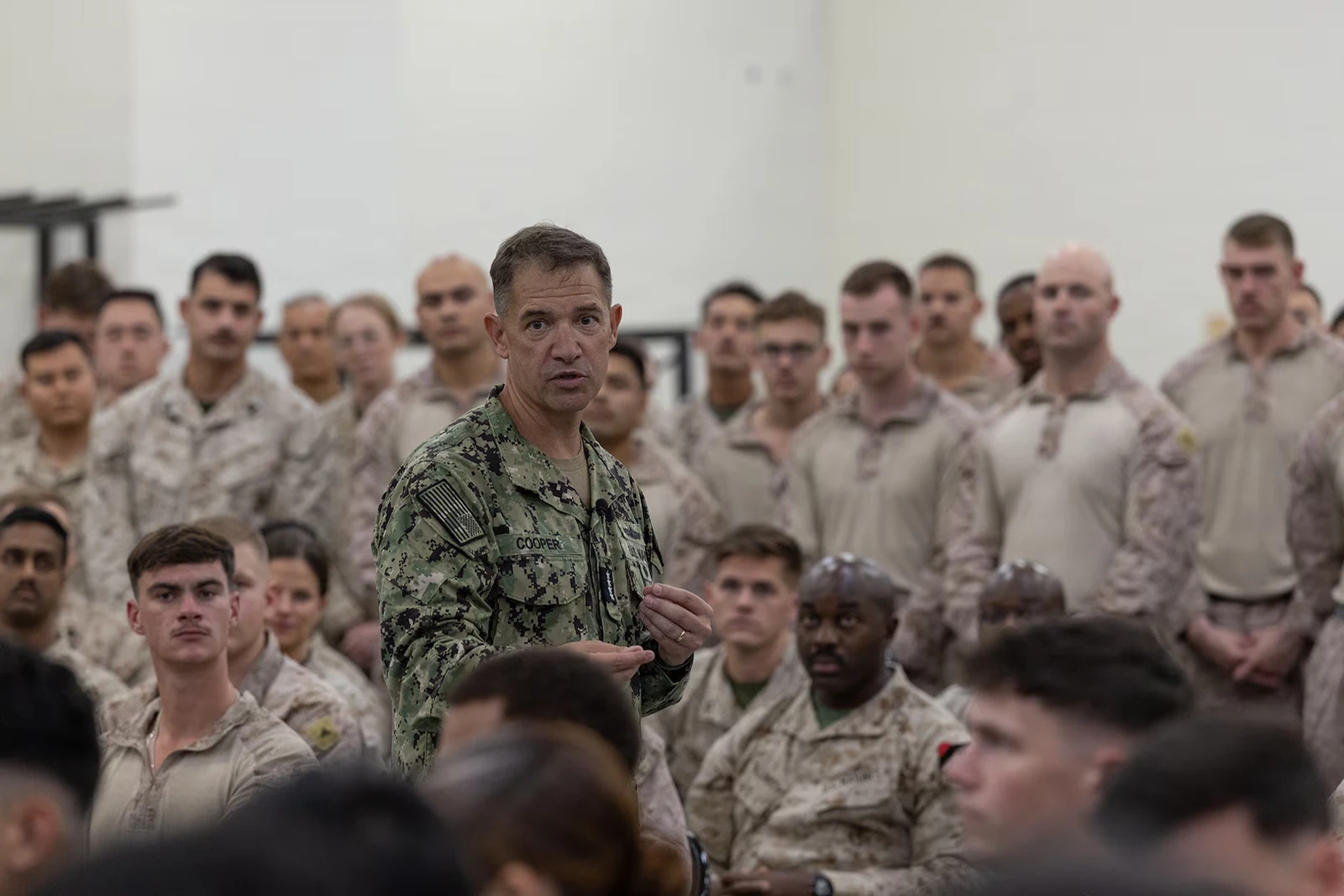
LONDON: The chief of US Central Command, Brad Cooper, flew over the Strait of Hormuz in a CH-47 Chinook helicopter on Sunday as the command said US forces had helped Gulf partners export more than 1.5 billion barrels of crude oil since the summer.
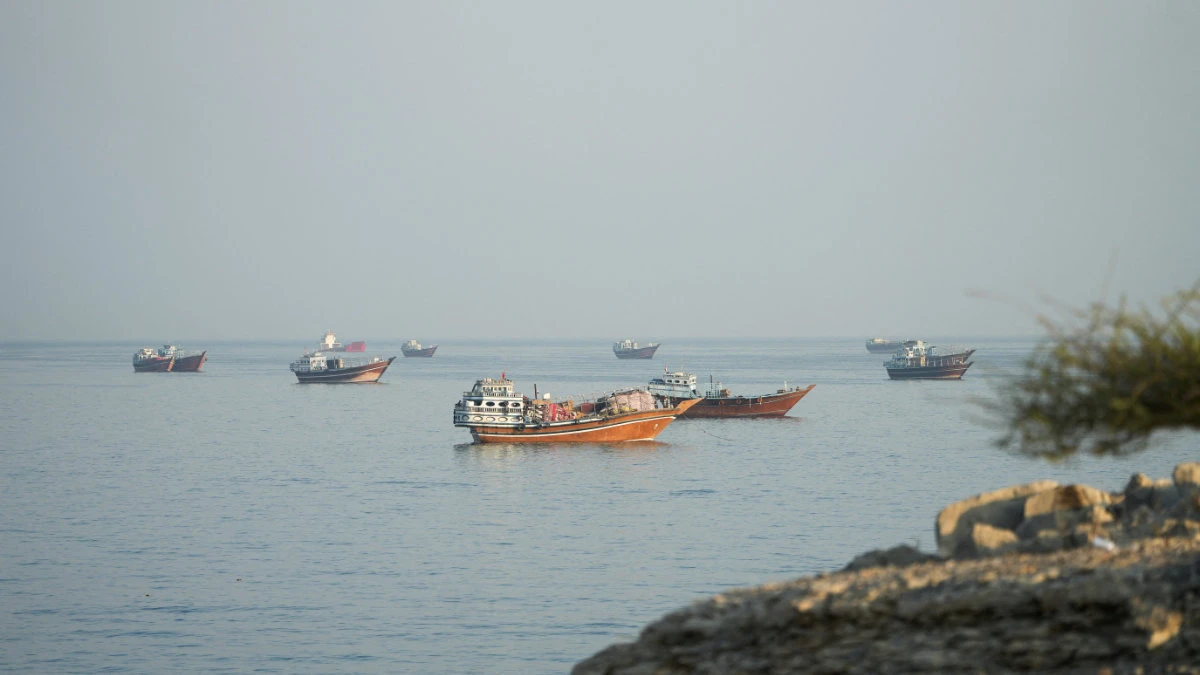
More than 3,000 commercial vessels have passed through the strait with support from US forces over the past six months, CENTCOM said in a statement.
“We continue to stand shoulder to shoulder with our Gulf partners and the shipping industry,” Cooper said, adding that his visit to the waterway “underscores our strong commitment to continued freedom of navigation through the Strait of Hormuz.”
The command said shipping activity had gained momentum in recent months after US forces cleared international shipping lanes of sea mines laid by Iran’s Islamic Revolutionary Guard Corps.
During the visit, Cooper met with US service members who supported the mine-clearing mission and thanked them for their work.
“Today, primary transit routes in the Strait of Hormuz remain free and clear of Iranian sea mines thanks to incredible efforts by our people,” Cooper said.
He said US forces remained focused on keeping commercial traffic moving, working with other US government agencies, the Gulf Cooperation Council and the shipping industry.
CENTCOM said more than 95 percent of ships navigating the strait in recent months had passed through safely despite what it described as aggression by the Revolutionary Guard.
Despite those reported transits, Iran has maintained that reopening the strait depends on meeting seven conditions, including lifting the US naval blockade of its ports, easing sanctions on its oil exports and halting hostilities on all fronts.
Iranian Parliament Speaker Mohammad Bagher Ghalibaf said Washington must meet those conditions before the waterway can reopen. Negotiations have reportedly stalled over Iran’s demands.
The visit of CENTCOM’s chief to Hormuz comes a day after President Donald Trump reportedly said that Washington “may do another little Epic Fury,” referring to the US-Israeli campaign against Iran that began Feb. 28.
However, Iranian Foreign Minister Abbas Araghchi said on Sunday that renewed war with the US and Israel would not change Tehran’s positions.
“Recently, there has been talk of a new war, but I am already thinking about the post-war period. Whether there is war or not, our policies remain the same,” Araghchi said during a televised event in Tehran.
“They have already done so twice and have seen the results. If they want to try again, they know they will achieve no different outcome from those of the past.”
An April 8 ceasefire between Iran and the US halted the most intense fighting, though sporadic exchanges of fire continued in and around the strait. Those clashes have subsided in recent weeks.
Iran has claimed control over the waterway since the war began and has regularly targeted vessels attempting to cross without its authorization, drawing opposition from Washington and countries in the region.