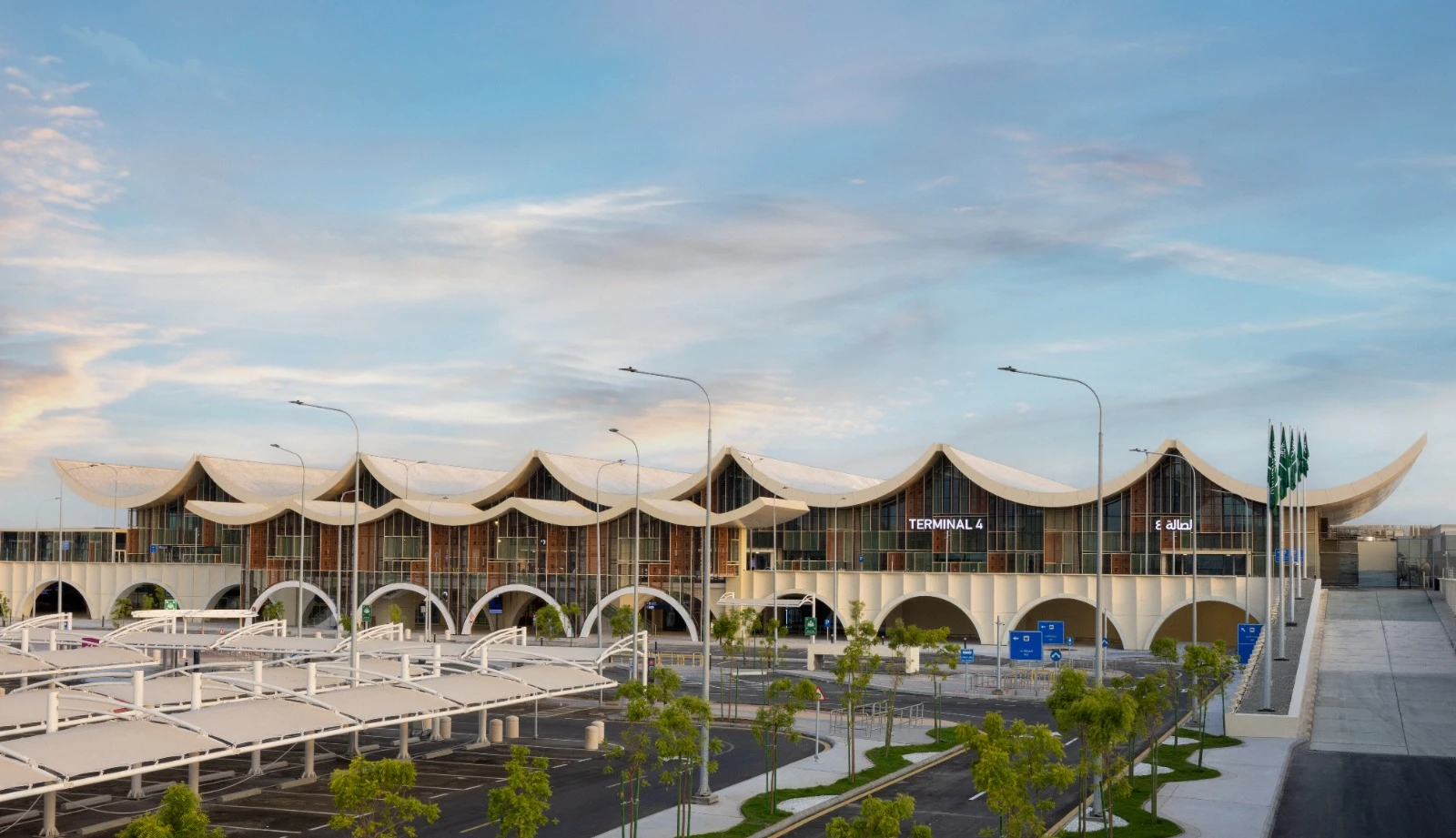
- Rise pushed Kingdom’s travel account surplus to SR26.78 billion
- Saudi Arabia welcomed 115.9 million tourists in 2024
RIYADH: International tourists spent SR49.37 billion ($13.16 billion) in Saudi Arabia during the first quarter of 2025, a 10 percent increase compared to the same period last year, recent data showed.
According to figures released by the Saudi Central Bank, also known as SAMA, the rise pushed the Kingdom’s travel account surplus to SR26.78 billion, up 11.7 percent year on year, underlining the sector’s growing contribution to the country’s non-oil economy.
This comes as Saudi Arabia accelerates its Vision 2030 push to position tourism as a pillar of economic diversification, raising its target to 150 million annual visitors by 2030 after surpassing the 100 million mark ahead of schedule.
In 2024, the sector hit a milestone, with international tourism revenue soaring 148 percent from 2019 — the fastest growth among G20 nations.
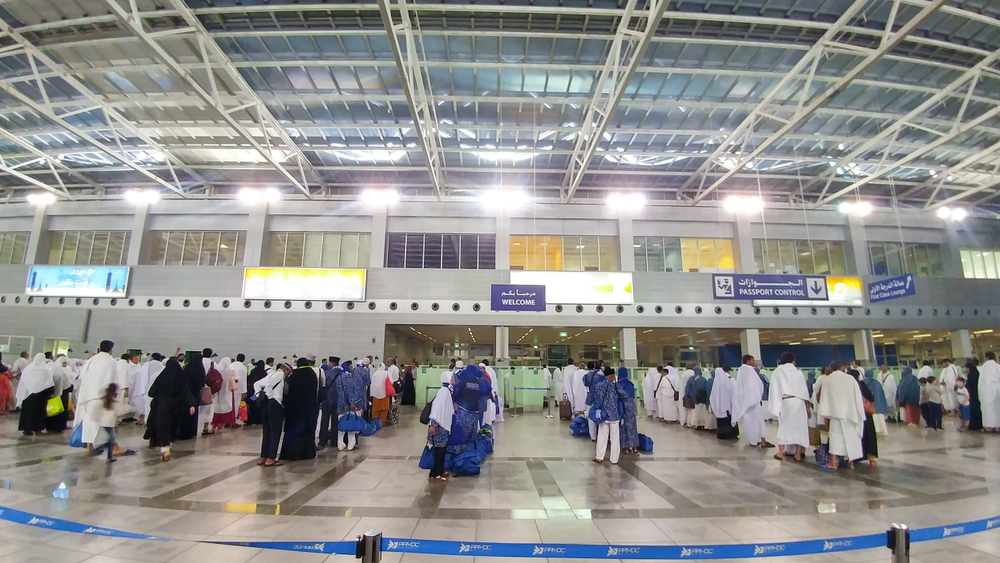
Saudi Tourism Minister Ahmed Al-Khateeb, commenting on the sector’s performance following the release of the Ministry of Tourism’s 2024 Annual Statistical Report in June, said the document “showcases the sector’s remarkable growth and its role in enabling Saudi Vision 2030, a record performance achieved with the support and guidance of the Kingdom’s visionary leadership.”
The report said that Saudi Arabia welcomed 115.9 million tourists in 2024 — 29.7 million inbound and 86.2 million domestic trips — easily surpassing the Vision 2030 milestone of 100 million visits, five years ahead of schedule.
Total visitor spending reached SR283.8 billion, of which SR168.5 billion came from international travelers and SR115.3 billion from domestic tourists.
Since Vision 2030’s launch, Saudi tourism has expanded at breakneck speed. Inbound arrivals have climbed from 17.5 million in 2019 to 29.7 million in 2024, a 70 percent jump, while their spending ballooned by 63 percent, from SR103.4 billion to SR168.5 billion over the same period.
Domestic trips almost doubled, according to the annual report figures, rising from 47.8 million to 86.2 million over the same period.
The sector’s success is underpinned by multibillion-riyal investments in destination infrastructure. The first island resorts of the Red Sea Project will open later this year, while construction races ahead at NEOM’s Trojena mountain resort and Riyadh’s heritage-rich Diriyah Gate.
Developers are lining up more than 320,000 hotel rooms, and Red Sea International Airport is expected to start commercial flights in 2025, sharpening long-haul connectivity for high-end travelers.
Global recognition has followed, with UN Tourism data, cited in the Annual Statistical Report, showing Saudi Arabia ranked first among G20 nations for growth in international tourist numbers in 2024 and second globally compared to pre-pandemic levels.
Speaking in April 2024, Ahmad Arab, founder of tourism and hospitality firm DRB Arabia and former deputy minister at the Ministry of Tourism, told GLG Insights the industry is on track to create 1 million related jobs by 2030, solidifying its place as a cornerstone of the Kingdom’s diversifying non-oil economy.
A notable trend, according to the Ministry of Tourism’s annual report, is the shift toward leisure travel. Non-religious visits accounted for 59 percent of inbound arrivals in 2024, up from 44 percent in 2019, as streamlined e-visas, entertainment seasons, and high-profile sporting events broadened the Kingdom’s appeal.
Egypt remained the top source market with 3.2 million visitors, followed by Pakistan with 2.8 million and Bahrain with 2.6 million. Makkah Al-Mukarramah led all destinations with 17.4 million overnight foreign visitors, while Riyadh and Jeddah also attracted millions.
Domestic tourism is expanding in parallel: trips rose 5 percent to 86.2 million in 2024, fueling record domestic outlays of SR115.3 billion. Leisure remained the top purpose, helped by school-holiday campaigns and new regional festivals.
With first-quarter spending at an all-time high and visitor volumes already outpacing long-term targets, Riyadh’s next challenge is to sustain capacity growth while maintaining service quality.