
GCC non-oil sector adds $1.51tn to GDP, led by mining

GCC non-oil sector adds $1.51tn to GDP, led by mining
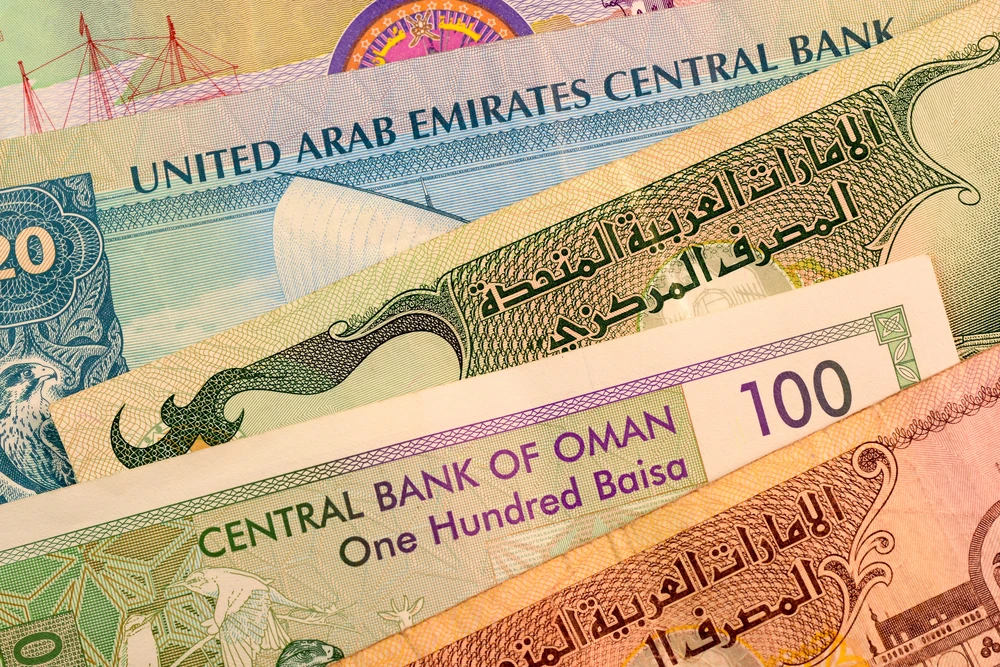
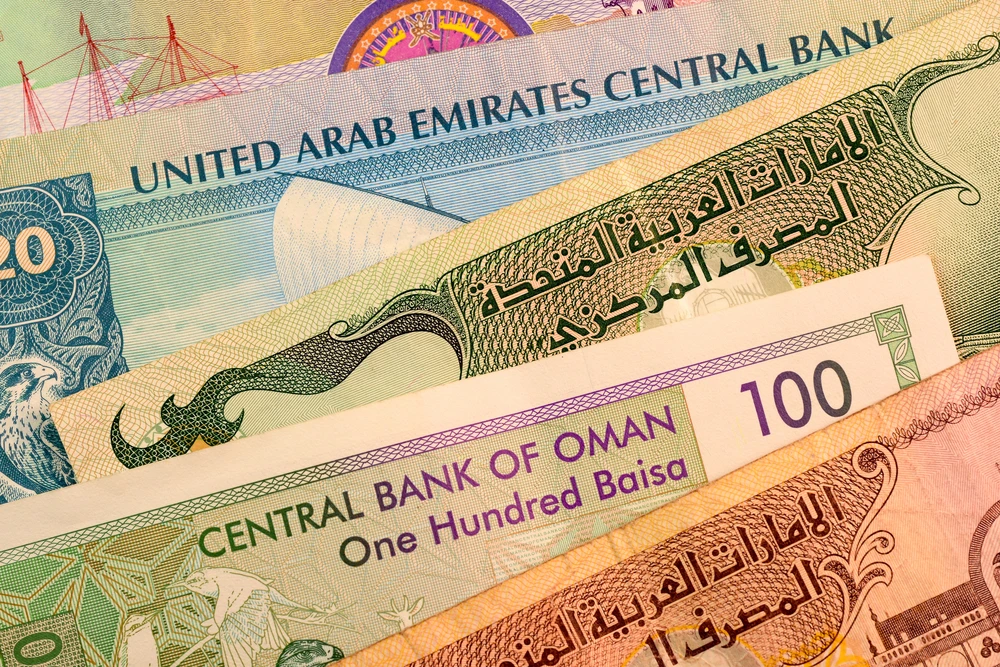
Several economic activities recorded positive growth, led by financial and insurance services with an 11.7 percent increase. Shutterstock
Short Url
Updated 17 August 2025
Follow

GCC non-oil sector adds $1.51tn to GDP, led by mining

GCC non-oil sector adds $1.51tn to GDP, led by mining
  • Manufacturing activities led the non-oil sector with an average contribution of 11.7 percent.
  • Financial and insurance services led with an 11.7 percent increase, followed by transportation and storage at 11.6 percent. .

RIYADH: The Gulf Cooperation Council’s gross domestic product at current prices reached $2.14 trillion in 2023, down 2.7 percent from $2.2 trillion in 2022.

Despite this moderation, the non-oil sector showed strong resilience, contributing $1.51 trillion to the bloc’s GDP and underscoring the region’s ongoing diversification efforts.

Gross national income, which reflects the total earnings of citizens and companies after taxes and transfers, stood at $1.99 trillion, down 3 percent from the previous year, according to the GCC Statistical Center, Oman News Agency reported citing the latest available data.

Meanwhile, the oil sector contributed $604 billion, highlighting the continued influence of energy price fluctuations on the region’s economy.

The non-oil sector’s share of total GDP rose to 71.5 percent in 2023 from 65 percent in 2022, growing 6.4 percent year on year. Mining and quarrying remained the largest single contributor to the GCC economy over the past five years, averaging 28.3 percent of GDP, while manufacturing activities led the non-oil sector with an average contribution of 11.7 percent.

Several non-oil industries recorded robust growth in 2023. Financial and insurance services led with an 11.7 percent increase, followed by transportation and storage at 11.6 percent. Real estate grew 8.1 percent, public administration and defense rose 7.9 percent, wholesale and retail trade expanded 7.6 percent, and education climbed 5.5 percent, demonstrating broad-based sectoral strength.

Although mining and quarrying contracted by 18.8 percent and manufacturing experienced a slight decline of 0.7 percent, other sectors and investment activity provided strong support. Exports of goods and services totaled $1.26 trillion, accounting for nearly 60 percent of GDP, while final consumption expenditure—including household, government, and nonprofit spending—rose 7.5 percent to $1.25 trillion. Gross capital formation, which covers fixed asset investments, increased 5.5 percent to $601.8 billion, signaling sustained investment momentum despite macroeconomic pressures.

Overall, 2023 highlighted the GCC’s progress toward a more diversified, resilient, and non-oil-driven economy, positioning the region for sustainable growth in the years ahead.

Biban 2025: Day 3 sees more than $2bn pledged to support SMEs

Biban 2025: Day 3 sees more than $2bn pledged to support SMEs
Updated 08 November 2025
Follow

Biban 2025: Day 3 sees more than $2bn pledged to support SMEs

Biban 2025: Day 3 sees more than $2bn pledged to support SMEs

RIYADH: The third day of Biban Forum 2025 saw the signing of 11 agreements and memorandums of understanding and the launch of seven financing portfolios with a total value above SR7.6 billion ($2.03 billion).

These portfolios support entrepreneurial projects and the SME sector, according to the Saudi Press Agency. 

The Small and Medium Enterprises General Authority, also known as Monsha’at, signed cooperation agreements with Tarmeez Financial Co. to allocate SR4 billion to finance entrepreneurs and SMEs, and with Al-Taysir Arabia Finance Co. for SR3 billion. 

An agreement was also signed with Alfa Arabia Finance Co. for SR600 million, as part of joint financing programs aimed at enhancing growth and sustainability in the micro, small, and medium enterprises sector.

The agreements included collaboration with the Crafts Association to implement three training camps facilitating artisans' access to raw materials and skills development; with the Iktifaa Association to develop social entrepreneurship within the “My Project 3” initiative; with Gulf Saudi Co. to enable MSMEs and artisans to participate in sports and entertainment events; and with Jahez Co. within the “Your Project is Ready” initiative to empower entrepreneurs to enter the world of e-commerce with training and technical support.

On the academic front, Monsha’at signed two agreements with Prince Sattam bin Abdulaziz University and the Arab Open University to raise awareness of entrepreneurship through workshops and training programs.

Monsha’at also signed an agreement with the King Salman Science Oasis to stimulate innovation and investment in technology and entrepreneurship. The forum featured several high-profile launches in the fields of entrepreneurship and innovation.

On the development finance front, the Sulaiman Abdulaziz Al Rajhi Foundation for Development Finance, in cooperation with the General Authority for Endowments, announced a financing product specifically for beneficiaries of the Jana Fund. 

This product supports productive families with loans ranging from SR60,000 to SR200,000, depending on the nature and size of the projects. Additionally, the Namouthaj Association launched a technology hackathon targeting non-profit organizations.

The Saudi Finance Co. launched a tax return financing program to support MSMEs through operational financing of up to SR750,000, utilizing expedited digital procedures to alleviate financial burdens. 

Furthermore, a specialized hackathon in the cultural sector was launched, aiming to empower entrepreneurs to establish their startups and adopt innovative solutions in the cultural field, as part of efforts to support the creative economy and foster entrepreneurship within the cultural sector.

These agreements reflect Monshaat's commitment to strengthening the entrepreneurship ecosystem in the Kingdom by building strategic local and international partnerships that contribute to empowering entrepreneurs, expanding growth opportunities for MSMEs, and supporting innovation and economic diversification in line with the objectives of the Kingdom's Vision 2030.