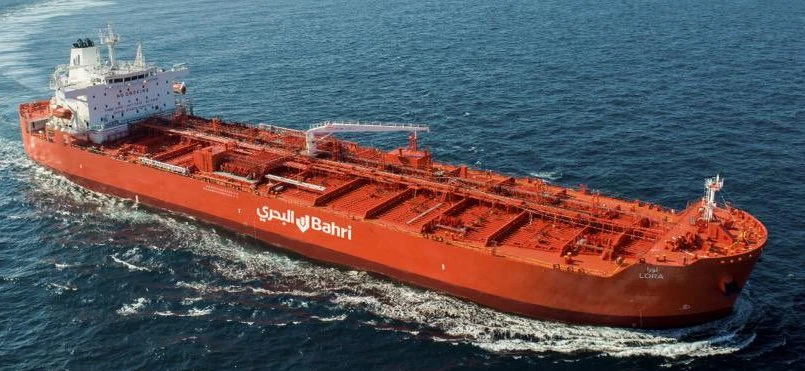
RIYADH: Saudi National Shipping Co., known as Bahri, has passed on part of its strong first-half performance to shareholders, approving an exceptional interim cash dividend for the first half of 2026.
Bahri’s new dividend totals SR1.38 billion ($367.7 million), marking the largest cash distribution since 1996, according to Bloomberg data.
The decision follows an unusually strong first half, with net profit reaching SR4.9 billion, up more than 420 percent year on year. The first-half net profit alone was more than double the company’s full-year profit last year, helping explain the sharp increase in the current distribution, according to Al-Eqtisadiah’s analysis.
The move appears to reflect a decision to share an unusually strong profit cycle with shareholders rather than signal a new long-term dividend policy.
Bahri’s dividends break a historic ceiling
The highest annual cash amount the company had previously distributed, according to historical data, was around SR984 million, reached during its previous peak years of 2015 and 2016.
The new distribution is about 41 percent higher than that level, despite covering only the first half of the year rather than the full fiscal year.
Adding in the previous annual dividend paid to shareholders during 2026, the total received by an investor eligible for both distributions rises to SR2.5 per share.
That makes 2026 the most generous year for Bahri shareholders in terms of total cash distributions.
The dividend represents only about 28 percent of first-half profits, leaving the company in a strong position to retain most of its earnings. This should allow Bahri to maintain liquidity while continuing to invest in future growth and fleet renewal.
Cash flow gives the dividend strong backing
The strength of the decision is supported not only by accounting profit, but also by strong cash generation, with operations generating SR3.87 billion in the first half.
These cash flows rose 235 percent year-on-year, giving the dividend genuine cash backing rather than reliance on borrowing or previously accumulated liquidity.
Free cash flow reached SR3.25 billion during the period, after being negative in the comparable period last year. The exceptional dividend consumed about 43 percent of this cash flow, leaving room for other uses and to finance the company’s future needs.
A drop in capital expenditure to SR615 million also helped widen the space available for the company to distribute part of its cash.
Spending fell 82 percent year on year, following an earlier period that carried a much larger bill for acquiring new tankers and renewing the fleet.
Why the dividend may not be sustainable
The composition of Bahri’s earnings is one reason the current dividend may be difficult to sustain, with oil transport segment revenue reaching SR8.46 billion in the first half.
Segment revenue grew 254 percent year on year amid rising shipping rates and limited tanker availability, conditions that are hard to assume will hold steady for long.
Geopolitical disruptions also boosted tanker demand and lengthened some trade routes, driving higher shipping rates and fleet utilization during the period.
The current decline in capital expenditure does not mean the fleet renewal cycle is over or that future spending will remain low.
The company has an order book that includes 12 new tankers spread across different segments, with planned delivery dates extending through 2030.