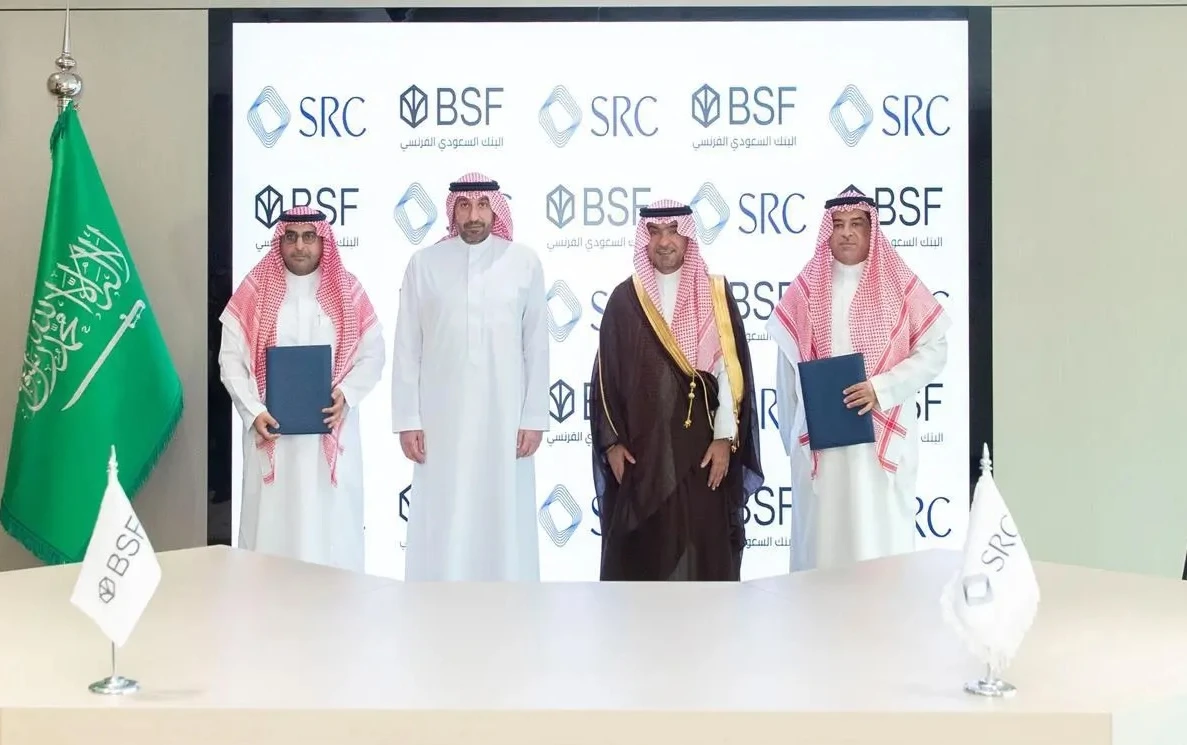
GCC exchanges launch Unified IR Guide to boost disclosure, ESG alignment

GCC exchanges launch Unified IR Guide to boost disclosure, ESG alignment
The timing of the guide’s release comes as Gulf equity markets continue to attract inflows from foreign investors. Shutterstock
Short Url
Updated 09 September 2025
Follow

GCC exchanges launch Unified IR Guide to boost disclosure, ESG alignment

GCC exchanges launch Unified IR Guide to boost disclosure, ESG alignment
  • Guide recommends best practices on communication protocols, regulatory disclosures, crisis management, and governance structures

RIYADH: The Gulf Cooperation Council’s financial markets are set to strengthen investor communication and transparency with the launch of a new Unified Investor Relations Guide for 2025, the GCC Financial Markets Committee announced. 

Developed in partnership with key regional exchanges, including Boursa Kuwait, Saudi Tadawul, Abu Dhabi Securities Exchange Group, Dubai Financial Market, Bahrain Bourse, Muscat Stock Exchange, and Qatar Stock Exchange, the guide lays out a structured framework to enhance disclosure practices, integrate environmental, social and governance considerations, and boost stakeholder engagement across listed firms. 

The guide aligns with broader initiatives to modernize the region’s financial ecosystem and position the region as an attractive destination for global capital. 

The timing of the guide’s release comes as Gulf equity markets continue to attract inflows from foreign investors. 

According to PwC Middle East’s analysis published in May, GCC initial public offerings raised $1.6 billion in the first quarter of 2025, marking a 33 percent increase from a year earlier, with Saudi Arabia accounting for nearly 69 percent of proceeds. 

“This guide is a strategic step toward unifying investor relations standards and practices across the GCC’s capital markets, contributing to the enhancement of transparency, credibility, and strengthening investor confidence,” said Mohammad Saud Al-Osaimi, the CEO of Boursa Kuwait. 

The guide recommends best practices on communication protocols, regulatory disclosures, crisis management, and governance structures, designed to streamline investor relations while ensuring compliance with international standards. 

“It reflects the GCC Financial Markets Committee’s commitment to providing practical tools that enhance the communication channels between listed companies and their investors, as well as supporting the sustainable growth and development of capital markets,” he added. 

The guide’s recommendations include structured disclosure calendars, management of material events, insider watch-lists, and policies to address rumors and market manipulation. It further emphasizes ESG reporting as a growing requirement among global investors, encouraging firms to integrate sustainability metrics into strategic planning and reporting frameworks. 

“The GCC Unified IR Guideline 2025 is a key milestone in reinforcing transparency and investor trust across the region,” said Abdulla Salem Al-Nuaimi, group CEO of Abu Dhabi Securities Exchange. 

He added: “At ADX, we actively champion best-in-class investor relations, from training programs to ESG integration, empowering issuers to engage more effectively. We are proud to be part of shaping this framework that strengthens the GCC’s standing as a global investment hub.” 

While adoption of the guide remains optional, market participants view it as a key tool for fostering credibility and facilitating smoother access to both regional and international investors. 

As corporate governance and transparency gain prominence in capital markets, the guide aims to offer firms a roadmap to strengthen investor confidence and attract long-term investment flows, supporting broader economic diversification efforts across the GCC. 
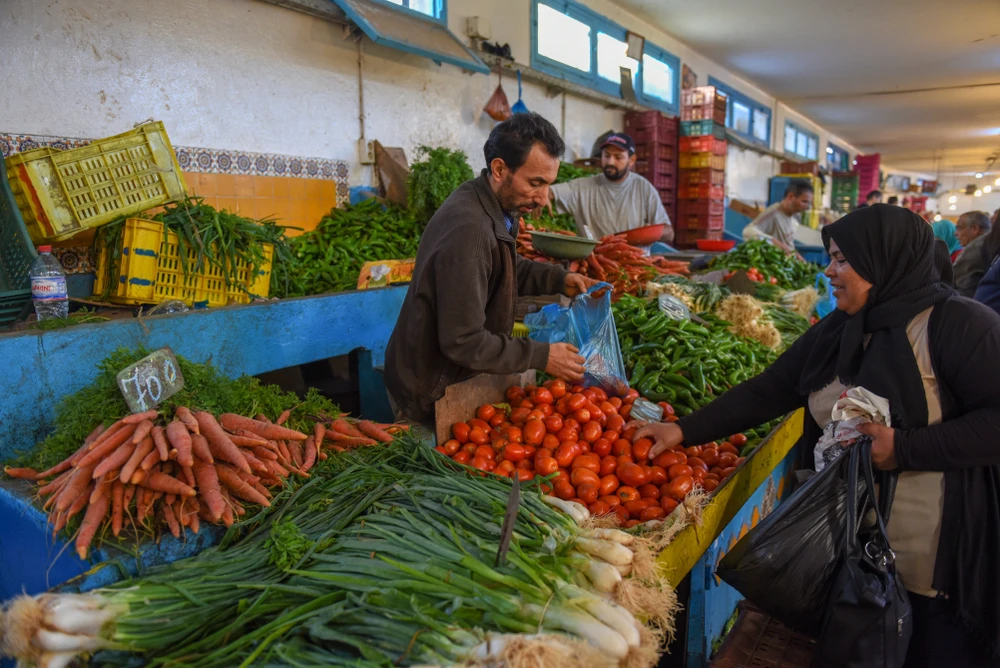

GCC insurance outlook stable on growth, diversification gains: Moody’s 

GCC insurance outlook stable on growth, diversification gains: Moody’s 
Updated 5 sec ago
Follow

GCC insurance outlook stable on growth, diversification gains: Moody’s 

GCC insurance outlook stable on growth, diversification gains: Moody’s 

RIYADH: The Gulf Cooperation Council’s insurance sector is expected to remain stable over the next 12 to 18 months, supported by strong economic growth and rising non-oil investments, according to Moody’s Ratings. 

In its latest GCC Insurance Outlook, Moody’s said economic diversification and compulsory insurance schemes are expected to underpin the sector’s growth. 

The region’s non-life segment, which represents more than 80 percent of premium revenues, will benefit from government-backed infrastructure and diversification projects, particularly in Saudi Arabia and the UAE, which together generate 80 percent of the GCC’s total insurance premiums. 

S&P Global Ratings has similarly projected sustained expansion for the Gulf’s insurance industry, particularly within the Islamic segment, which it expects to grow by around 10 percent annually in 2025 and 2026. 

In its latest report, Moody’s stated: “The industry will also benefit from the spread of compulsory insurance and rising demand for health and life cover.” 

It added: “Larger insurers will continue to outperform smaller ones, which will struggle to remain profitable because of intense price competition, rising claims, and high technology and regulatory costs.” 

Moody’s forecasted real gross domestic product growth of around 4 percent for 2026, led by the UAE and Saudi Arabia, with additional contributions from Kuwait, Oman, and Qatar. 

Expansion in construction, tourism, and manufacturing is expected to increase demand for property, liability, health, and specialty insurance, while greater consumer awareness and reduced subsidies in utilities and education are expected to boost demand for life and savings policies. 

According to the report, “Profitability is improving overall,” with non-life insurance prices rising in 2025, particularly in the UAE, where insurers raised premiums following heavy storm-related claims in 2024. 

Moody’s said the sector should post “positive underwriting profit for the remainder of 2025 and into 2026.” 

However, the agency noted that large insurers will capture most of the profitability gains next year due to economies of scale, while smaller peers “will struggle to make an underwriting profit amid intense competitive pressure.” 

Increased reinsurance prices, regulatory expenses, and technology investments are squeezing margins for smaller firms, and the dominance of insurance aggregators is further driving competition based on price. 

Moody’s also cautioned that GCC insurers’ high exposure to equities and real estate raises asset risks, particularly amid geopolitical uncertainty in the Middle East. 

“This increases the sector’s investment risk and magnifies its exposure to downside scenarios related to geopolitical tension,” the report said. 

Saudi insurers face additional strain on capital buffers due to slower profit growth and higher risk exposures, while UAE insurers have benefited from stronger profitability and price adjustments. 

Regulators across the GCC are tightening capital and risk requirements, which Moody’s expects will accelerate consolidation— especially in Saudi Arabia, where authorities have taken a more assertive stance on compliance. 

The agency added that while the sector’s outlook remains stable, market dynamics are shifting toward larger, better-capitalized players. Consolidation, it added, will ultimately “support the sector’s credit strength over time.”