NASHVILLE: The CEO of a leading tech company has played down concerns over the environmental impact of data centers and said that in areas such as the Gulf there were green options for cooling.
Data centers generate a vast amount of heat and as such need to be continuously cooled.
It is already well documented that data centers are considered to negatively affect the environment through an enormous consumption of electricity in the cooling process, which in turn leads to greenhouse gas emissions and climate change.
The cooling process consumes a significant amount of water, which critics believe can strain local resources — especially in countries such as the UAE and Saudi Arabia where there are plans to create world leading data facilities.
Likewise, the rise of artificial intelligence is further increasing these demands for energy, water, and infrastructure.
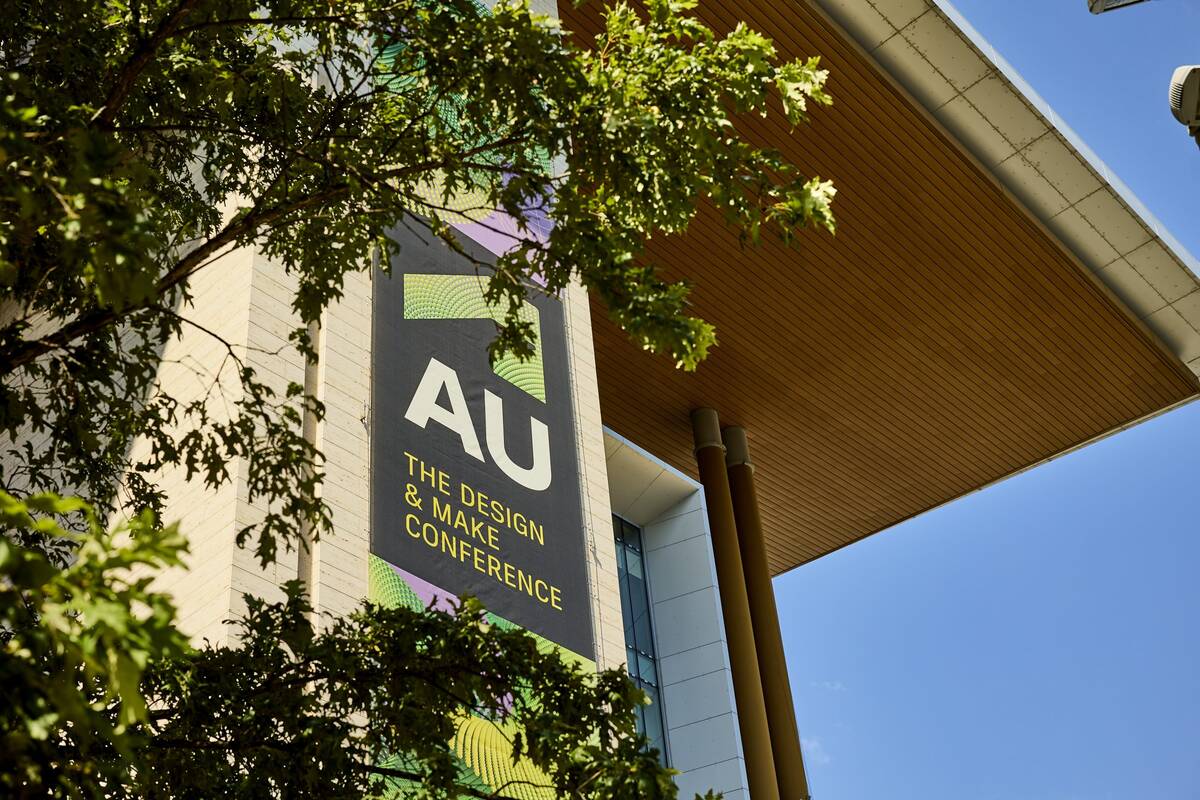
But speaking on the sidelines of the Autodesk AU 2025: The Design & Make Conference the tech company’s president and CEO, Andrew Anagnost, told Arab News that he believed the benefits far outweighed any long-term impact.
And while acknowledging there was an impact, Anagnost added: “But it’s trivial relative to all the other usage out there in the world. And at the same time we’re able to optimize the usage of these tools to have less need for the computing process.”
According to a report published by the UN Environment Programme, on June 12, internet users worldwide have more than doubled while global internet traffic has expanded to 5.54 billion people worldwide.
The report also noted that the International Energy Agency estimated the data centers would “drive more than 20 percent of the growth in electricity demand between and 2030.”
The report went on to explain that many data centers also use significant volumes of water.
“According to the World Economic Forum, a one-megawatt data center can consume up to 25.5 million liters of water each year only for cooling, comparable to the daily water use of around 300,000 people,” the report added.
Saudi Arabia is already working on the creation of Humain, the Kingdom’s new AI company, with the construction of its first data centers in the Kingdom, which are expected to come online in early 2026.
The centers will be in Riyadh and Dammam, in the Eastern Province, and are expected to launch in the second quarter, each with an initial capacity of up to 100 megawatts.
Depending where you look, data centers can use anything from one megawatt to several hundreds — and in the same type of search up to 300 Saudi homes will use a single megawatt.
But Anagnost said the power used by these centers did not have to be taken from a country’s national grid and as such could be generated on a hyperlocal basis by methods such as nuclear or solar.
“I’m much more worried about other things such as carbon emissions, that are associated with other types of mechanisms and I am not worried about data centers and AI, because everybody’s already building these things to be self-sustaining and use power sources that are actually pretty green in terms of carbon emissions.”
He said that while water consumption was initially comparatively large, once circulated, the center’s water would be contained within and reused once treated and cooled.
The ease of cooling the water used to maintain a suitable temperature in data centers is dependent on differing factors such as the external temperature — in a cold a country the process can be eased by something as straightforward as leaving the door open to allow a flow of cooler air.
Anagnost said the planning in the design of data centers needed to be flexible.
Various factors create “absolutely different ways of passive and active cooling for centers … in the desert you have a lot more sun.”
And that sunlight he said, could be used to generate solar energy, which in turn could be used to power cooling systems.
Whatever the methods used for cooling, the collection of data in centers is going to continue as more processes become digitized.
The engineering and industry sectors waste 95 percent of all data collected.
The introduction of AI is gradually leading to more efficient production methods which can make these sectors and many others more cost effective and less wasteful, with the materials used and the data collected.