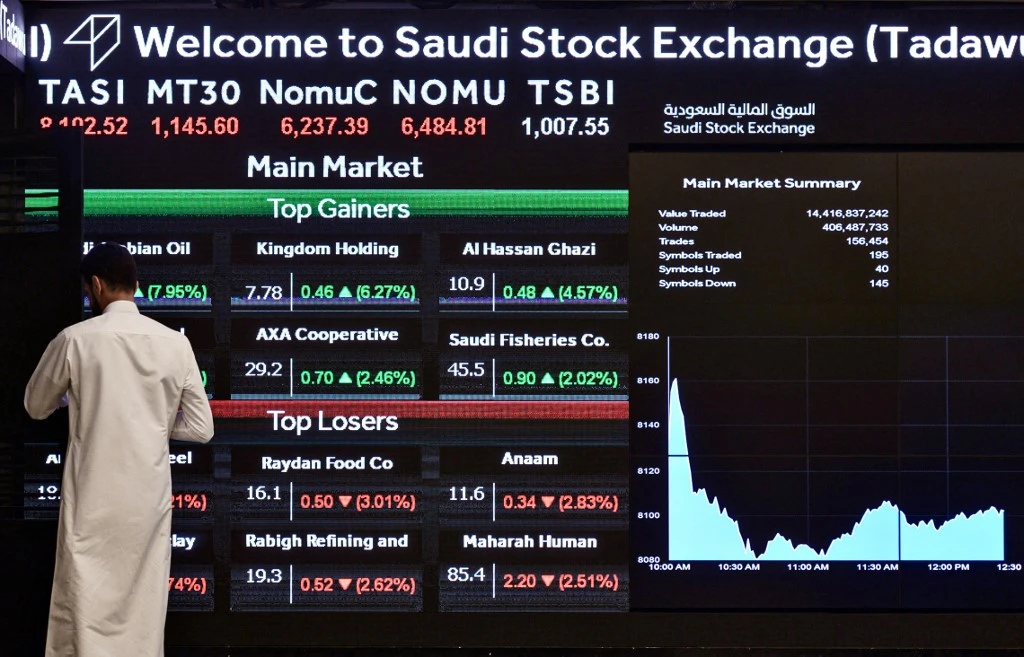
RIYADH: The World Bank has raised Saudi Arabia’s 2025 economic growth forecast to 3.2 percent, citing stronger oil output and robust non-oil activity, marking a notable upgrade from the 2.8 percent projected in April.
The Washington-based lender said in its latest Middle East, North Africa, Afghanistan, and Pakistan Economic Update that the Kingdom’s economy expanded 3.9 percent in the first half of 2025, buoyed by increased oil production and sustained growth in services.
The pace is set to quicken further, with growth expected to reach 4.3 percent in 2026 and 4.4 percent in 2027.
The World Bank’s latest outlook aligns with projections from other institutions. The International Monetary Fund in July forecast Saudi Arabia’s economy to grow 3.6 percent this year and 3.9 percent in 2026, while the Organization for Economic Cooperation and Development in September raised its 2026 estimate for the Kingdom to 3.9 percent, from 2.5 percent previously.
“In Saudi Arabia, real GDP grew by 3.9 percent during the first half of 2025 and is forecast to grow by 3.2 percent for all of 2025. This is a major increase from the 2 percent growth rate of 2024 — driven by oil production expansion and strong non-oil sector growth, particularly for services,” said the World Bank in the latest report.
Regional outlook
Economic growth in the Middle East region is projected to expand by 2.8 percent this year, 0.2 percentage points higher than the forecast made in April.
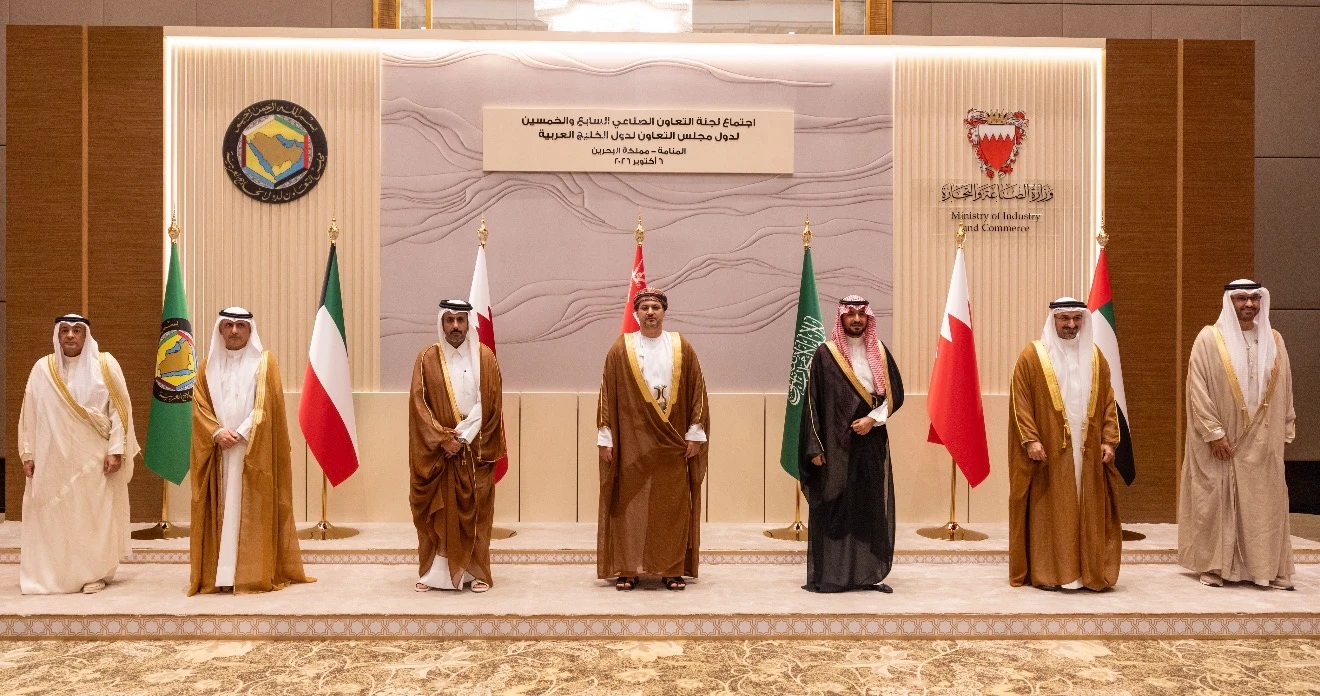
Across the Gulf Cooperation Council region, overall growth is expected to reach 3.5 percent in 2025, 0.3 percentage points higher than the previous estimate. The bloc’s economy is projected to expand by 4.4 percent in 2026 and 4.7 percent in 2027.
The World Bank noted that GCC countries will benefit from the gradual phasing out of voluntary oil production cuts and continued growth in non-oil industries.
“Oil-importing countries are also expected to see economic improvements, thanks to private spending and investments as well as a rebound in agriculture and tourism,” the report added.
In September, Saudi Arabia’s Ministry of Tourism announced that the Saudi Summer program welcomed more than 32 million domestic and international tourists, up 26 percent from the 2024 season. Tourist spending reached SR53.2 billion ($14.2 billion), marking a 15 percent year-on-year increase.
The report also projected the UAE’s GDP to grow by 4.8 percent this year, accelerating to 5 percent in 2026 and 5.1 percent in 2027.
Qatar’s economy is forecast to expand by 2.8 percent in 2025, while Bahrain and Kuwait are expected to grow 3.5 percent and 2.3 percent, respectively. Oman’s GDP is set to rise 3.1 percent in 2025 and 3.6 percent in 2026.
Saudi Arabia is also expected to maintain a healthy inflation rate of 2.3 percent in 2025 and 2.2 percent in 2026. Inflation in the wider Middle East and North Africa region is projected to remain contained at 2.3 percent in both years.
Labor market and reforms
The World Bank emphasized that countries in the MENAAP region could enhance living standards by tapping into the full potential of their workforce, particularly through greater female labor force participation.
Saudi Arabia has made notable strides in this area, steadily diversifying its workforce. In October 2024, Finance Minister Mohammed Al-Jadaan said the Kingdom aims to achieve 40 percent female workforce participation by the end of the decade, having already surpassed its Vision 2030 target of 30 percent.
The report noted that Saudi Arabia has recorded one of the world’s fastest gains in women’s workforce participation, rising nearly 14 percentage points between 2017 and 2023.
“The surge was evident across all age groups, and gains were especially pronounced among groups of women who historically had low participation and represented a small share of the labor force,” the World Bank noted.