Al-Baha’s distinct architectural style a tourist draw, says expert

Al-Baha’s distinct architectural style a tourist draw, says expert
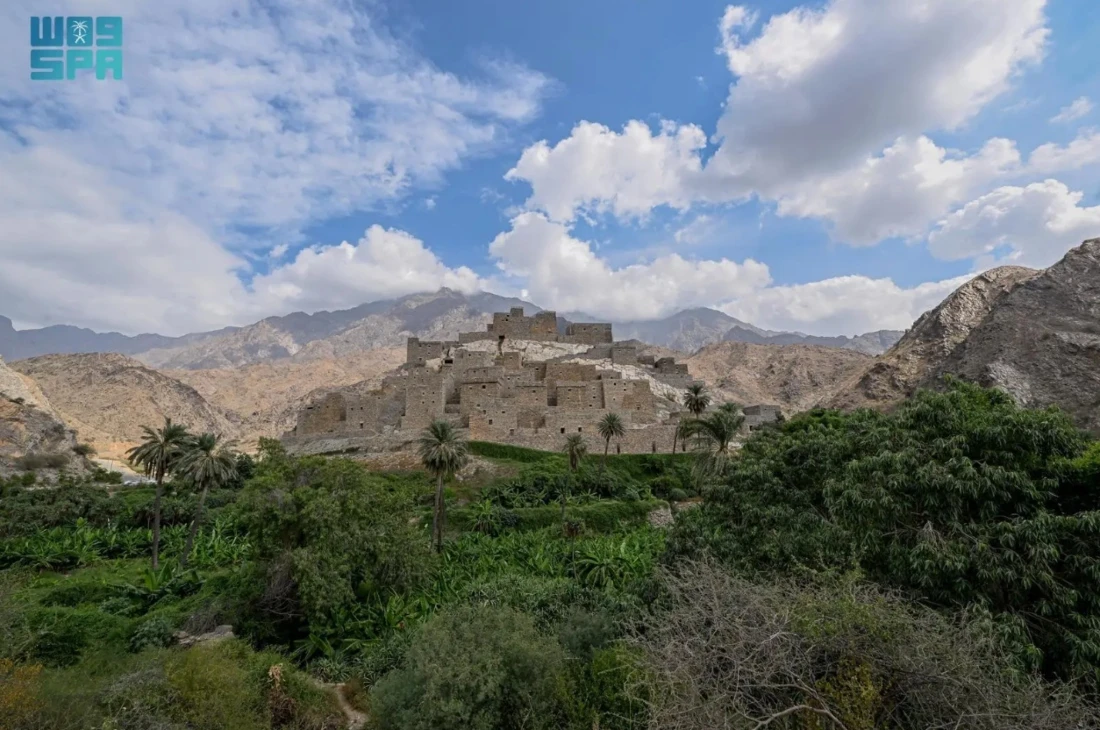
The architectural style of Al-Baha is inspired by the mountainous features of the region. (SPA)
Short Url
Updated 07 October 2025
Follow

Al-Baha’s distinct architectural style a tourist draw, says expert

Al-Baha’s distinct architectural style a tourist draw, says expert
  • Traditional buildings are designed in ways that take into account environmental conditions such as terrain and climate
  • It intends to help modernize the Saudi urban landscape, while keeping the character and tradition of the country’s architecture alive

RIYADH: The distinctive architectural style of Saudi Arabia’s Al-Baha region, included earlier this year in the national Saudi Architecture Characters Map, is one of the region’s draws for tourism, an expert told the Saudi Press Agency.

Abdullah bin Abdulqader Haridi, associate professor of architecture and building technology at Al-Baha University, said that the region’s style, influenced by its natural mountainous features, also contributes to energy efficiency.

Haridi said there were three main styles in the region: traditional, transitional, and contemporary.

Al-Baha’s architecture has distinctive features, including forts, external staircases, patterned doors and windows and the Zafir column style.
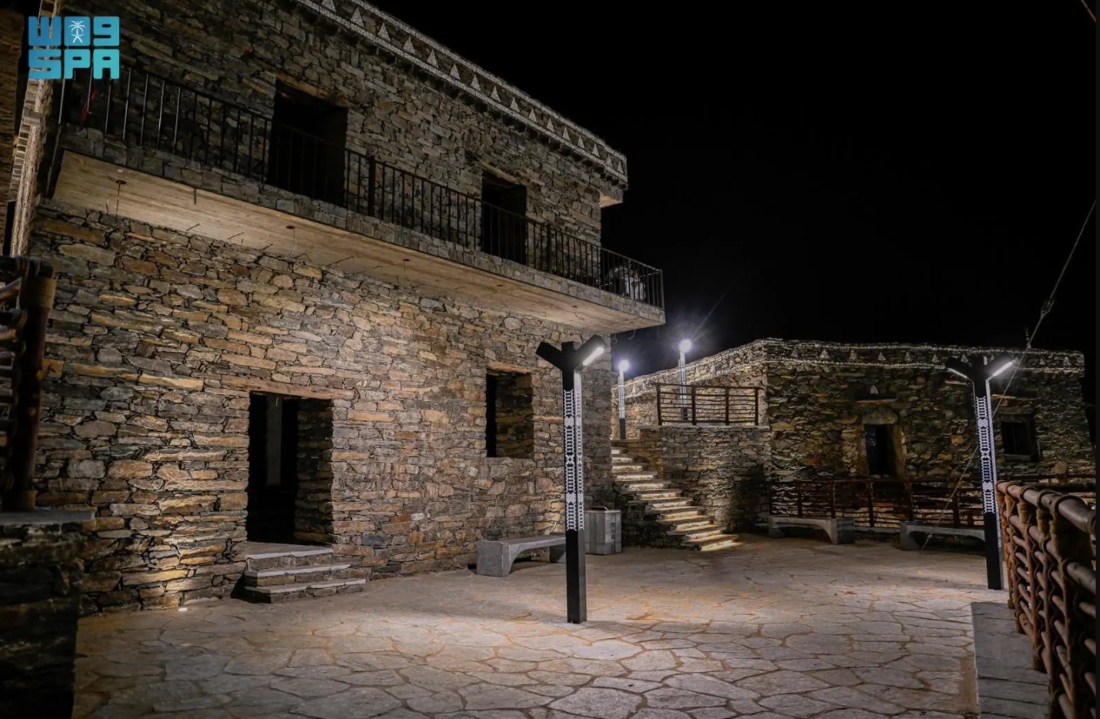


The architectural style of Al-Baha is inspired by the mountainous features of the region. (SPA)

Traditional buildings are designed in ways that take into account environmental conditions such as terrain and climate, as well as regional customs that encourage gathering in designated spaces.

Adhering to traditional styles allows for the development of real estate projects that complement local identity, motivating investors to adopt these standards, Haridi added.

The Saudi Architecture Characters Map was introduced by Crown Prince Mohammed bin Salman in March, designating 19 architectural styles unique to the Kingdom’s regions.

It intends to help modernize the Saudi urban landscape, while keeping the character and tradition of the country’s architecture alive.

Haridi said that the Al-Baha architectural style is energy-efficient, using natural building materials available locally.
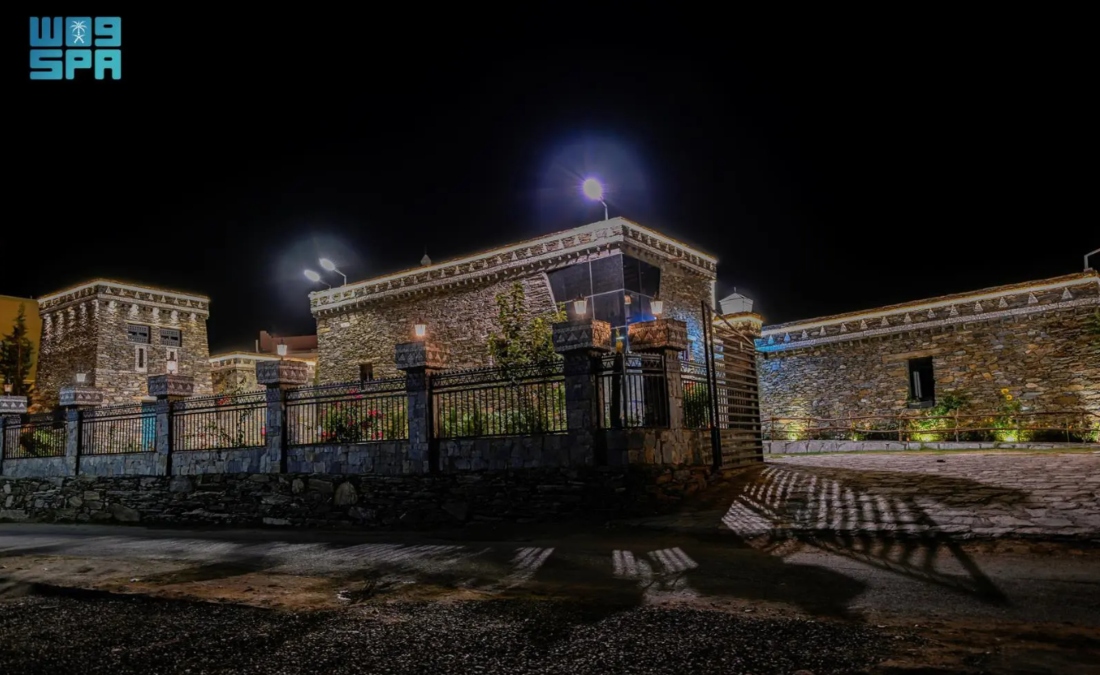


The architectural style of Al-Baha is inspired by the mountainous features of the region. (SPA)

Mohammed bin Salem Al-Ghamdi, 73, has worked building stone houses in the region for decades.

He told the SPA that the difference in climate and terrain between the areas of Sarat and Tihama led to a difference in building styles due to the construction materials available.

Al-Ghamdi said that the ancient architecture in Al-Baha was characterized by its  reliance on nature, as the houses were built from local stones such as granite and basalt rocks decorated with myrrh stones, and roofed with juniper woods covered with clay, in harmony with the surrounding environment.

In recent years, ancient architecture in Al-Baha has witnessed a resurgence of interest from people who have taken the initiative to restore and revive their heritage houses.

Many have also been inspired by the old style in the construction of new houses, using stones, patterns and decorations inspired by the history of the place.

British Council introduces AI tool to aid learners of English and provide feedback

British Council introduces AI tool to aid learners of English and provide feedback
Updated 55 min 13 sec ago
Follow

British Council introduces AI tool to aid learners of English and provide feedback

British Council introduces AI tool to aid learners of English and provide feedback
  • The AiBC system is described as a support tool for traditional learning, rather than a replacement for teachers and formal lessons
  • Learners can repeat exercises as often as they like and the AI-powered engine provides personalized feedback on grammar, vocabulary, fluency and clarity

RIYADH: The British Council has introduced a new artificial intelligence-powered engine that helps people learning English to practice speaking the language, and provides them with real-time feedback.

The system, called AiBC, is described as a support tool designed to work alongside traditional learning rather than a replacement for teachers and formal lessons, offering an additional way for learners to build fluency and confidence between classes.

The organization said AiBC was developed internally by its English-language specialists, drawing on the organization’s 90 years of experience in teaching and assessing the language. Rather than multiple-choice exercises, the system uses simulated conversations designed to reflect real-life scenarios.

“AiBC now brings together our teaching expertise with AI so we can help learners practice life-like conversations, progress, and communicate confidently anytime, anywhere,” said Mark Walker, the British Council’s director of English and exams.

Learners can repeat the AI-powered exercises as often as they like and the engine generates downloadable reports with personalized feedback on grammar, vocabulary, fluency and clarity. The aim was to create a safe, judgment-free space for learners to help reinforce what they cover in class, the organization said.

It describes the system as “human-first,” because teachers and live lessons remain central and the AI functions as an extra layer for practicing, and said it was designed this way because many learners want flexible speaking opportunities outside of formal classroom sessions.

The launch of the system comes after the British Council highlighted research that found almost 80 percent of teachers in the UK had already changed how they design assignments because of AI. The organization said the new engine responds to this shift by using technology to extend the learning experience, rather than attempting to automate it.

The tool will initially be available to existing users of the organization’s online-learning platform. No additional release details or pricing information were immediately available.

The British Council is a UK organization operating in more than 100 countries that specializes in cultural relations and educational opportunities, and is known globally for its English-language teaching and exam programs.