- Forum’s Global Cybersecurity Outlook identifies geopolitical tensions, AI and digital supply chain as key factors driving surge in cyber attacks
- ‘Adversaries are exploiting AI faster than defenders can adapt,’ Paladin Global Institute president says
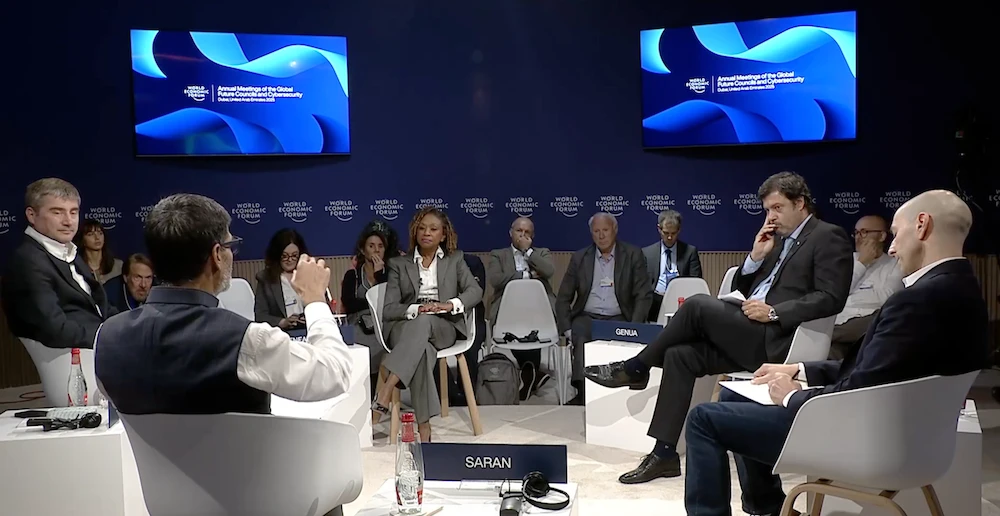
DUBAI: Rising geopolitical tensions, artificial intelligence-driven attacks, and complex digital supply chains are reshaping the global cyber landscape, experts warned during a World Economic Forum session in Dubai on Tuesday.
The session, titled “Riding Out Cyber Storms,” was part of the Annual Meeting of the Global Future Councils and brought together Samir Saran, president of the Observer Research Foundation; Kemba Eneas Walden, president of the Paladin Global Institute; Joe Levy, CEO of Sophos; and Dario Leandro Genua, Argentina’s secretary of innovation, science and technology.
According to the Forum’s Global Cybersecurity Outlook, 71 percent of respondents reported an increase in cyber risks linked to geopolitical friction, accelerated AI, and expanding supply chain vulnerabilities.
Speaking on the first day of the summit, Saran noted that heightened political tensions have sharply increased global demand for cyber capabilities.
“Who is your adversary and what are their capabilities?” he asked. “We believe states view cyber weapons and capabilities as legitimate means to employ.”
He said global preparedness remains uneven, with even technologically advanced countries at risk of cyberattacks.
“One part of the world is very familiar with the other while the other doesn’t, because they do not have the capabilities” he said. “For example, the US is more vulnerable than China.”
Saran added that AI has multiplied attack capabilities “multifolds” creating new challenges for governments and markets alike.
“If risk insurance markets are not able to help people defend themselves, some see cyberattacks as their form of protection,” he said. “When identities can be fake or created, organizations need to rethink safety.”
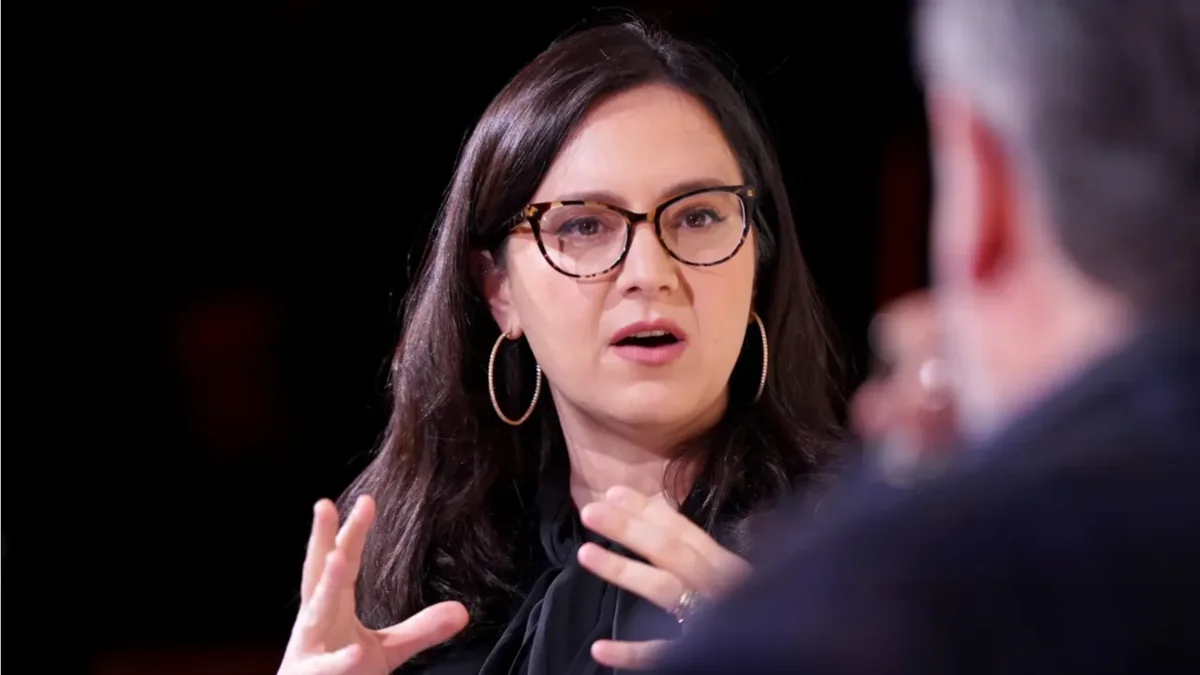
Walden said adversaries are exploiting AI faster than defenders can adapt.
“From my perspective, they are winning,” she said. “They are able to do things at speed and scale. The adversary doesn’t have to worry about the risk.”
She called for renewed urgency among defenders.
“Cyber has always been a geopolitical struggle,” she said. “Adversaries are already using the technology faster than the defenders, we have to match speed with speed.”
A recent report by SQ Magazine confirmed AI-related breaches reached 16,200 incidents up to September 2025, a 49 percent increase from the previous year.
The Middle East alone saw a 31 percent increase in AI-assisted espionage and cyberattack campaigns, particularly targeting critical oil and energy infrastructures.
Joe Levy said cybersecurity fundamentals remain the strongest defense amid shifting digital threats.
“Time matters very much here to defenders,” he said. “The first place I advise people to look is the basics. We tend to ignore them because something more exotic always gets our attention.”
Levy urged organizations to strengthen operational hygiene and practice incident response.
“You need more than cybersecurity insurance, you also need practice,” he said.
Genua stressed that cybersecurity “involves everything and everyone” and highlighted the importance of coordination across borders and industries.
“We have to know we are as strong as the weakest link in the network,” he said.
Genua said Argentina is developing joint plans of action “between sectors and between nations” and is launching a cyber arena to promote public awareness and training.
“We need to train people in both the public and private sector and give them tools to navigate their safety,” he added.