RIYADH: Just weeks after the conclusion of the second edition of the Esports World Cup, the Saudis were ready for the next step.
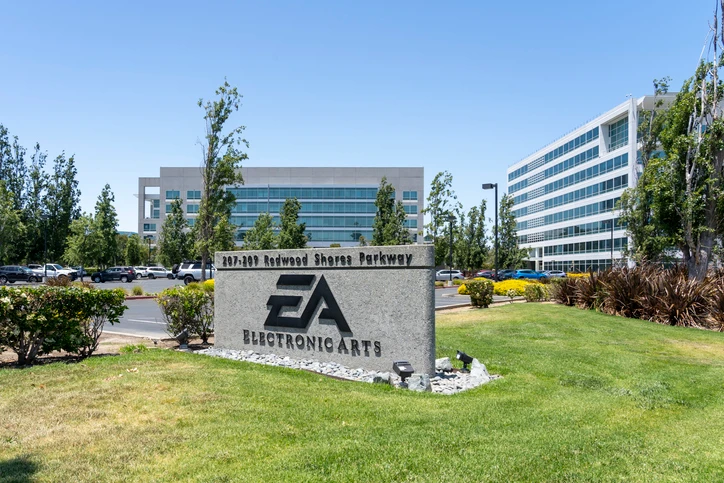
In late September, the Public Investment Fund, along with investment partners, acquired the American video game company Electronic Arts for $55 billion, a deal considered one of the largest in the sector.
Riyadh is now given the key to entering global markets, bringing it closer than ever to achieving its goals, particularly those related to attracting tourists from Japan and South Korea, historical leaders in this sector.
The most prominent outcome of this deal is that Saudi Arabia will benefit from the EA player base, estimated at around 150 million annually, given that the company develops the most popular games such as FIFA and F1.
It will be easy for the Kingdom to organize tournaments with exclusive rights within the Esports World Cup to attract all these people to the Riyadh Boulevard in Hittin over the next few years.
Saudi Arabia’s influence and confident steps toward digital sports leadership have worried some American politicians, including Senators Richard Blumenthal and Elizabeth Warren.
They sent a letter to the Committee on Foreign Investment in the US Treasury Department demanding strict scrutiny of the deal, arguing that it goes beyond a financial investment to influence storytelling and content, which they say influences American culture.
EA responded that the deal has been approved and aims to accelerate innovation and growth in the entertainment industry, according to PC Gamer, a British magazine specializing in the video game industry.
Saudi Arabia’s passion is relentless. The latest edition of the Esports World Cup saw the Saudi Tourism Authority join as an official partner, capitalizing on the tournament’s audience of 3 million visitors.
Meanwhile, the General Entertainment Authority installed giant interactive sculptures of famous characters such as Gundam and Vegapunk in Boulevard World during the Riyadh Season, seeking to attract Asian audiences through various entertainment experiences such as Anime Cafes, Japan Park, and a Kanji calligraphy experience.
Here’s the question: Will the number of tourists coming to Saudi Arabia from Asian capitals such as Beijing, Bangkok, and Manila, as well as Taipei, Singapore, and New Delhi, increase before the start of the 2027 AFC Asian Cup and the 2034 World Cup?
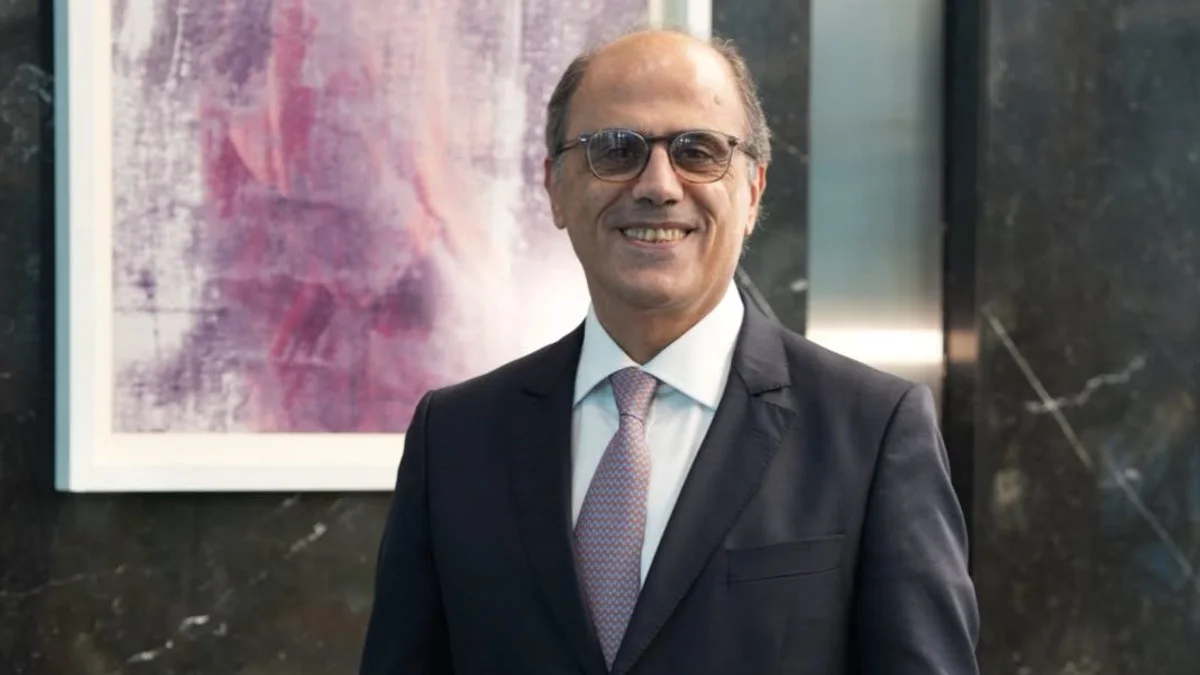
Faisal bin Homran, chief product officer at eSports World Cup Foundation, confirms that their strategy with clubs encourages fans from their home countries to come to Riyadh as part of an integrated sports, tourism, and entertainment journey.
The latest club tournament generated 350 million viewing hours, with prizes exceeding $70 million, the largest prize pool in the history of the global eSports sector.
Further fueling the growth are the combined efforts of partners in China, Japan, Germany, and the US ahead of the inaugural eSports National Team Cup in Riyadh in November 2026.
Bin Hamran believes the sustainability of the game lies in enhancing it with artificial intelligence technologies and increasing viewership, despite challenges such as differing audience tastes, the decline of some games among citizens of different countries, and the time difference between the East and West.
All of these obstacles are fading thanks to the continued support and attention of Crown Prince Mohammed bin Salman.
The eSports sector aims to contribute $13 billion to Saudi Arabia’s GDP by 2030. Bin Hamran believes that current planning will lead to amazing future results, not only in terms of sporting enjoyment, but also in terms of financial outcomes.
He said: “Most of the current targets have been achieved, and most of the revenues come from partnerships, viewership, visitors, tickets, sponsorship rights, advertising, promotional merchandise, and fees from game-producing companies.
“Profits will double and increase in the coming years. Our goal is to double viewership, follow-up, and participants, while increasing the value of the game’s brand for sponsors and advertisers.”
Sports fans are wondering about the possibility of creating a global game that reflects Saudi identity after the sovereign wealth fund acquired EA.
Bin Hamran told Al-Eqtisadiah: “It is possible, as the company owns the largest international studios, and there are ongoing discussions with other studios, which will undoubtedly develop local content played by hundreds of millions around the world.
“Also, electronic game publishers are racing to open headquarters and studios with the latest technology in Riyadh, with financial investments pumped into them under the umbrella of major partnerships. It is sufficient that the national strategy for games aims to provide more than 39,000 job opportunities over five years.”