- Kingdom calibrates US Treasury allocations primarily to ensure ample, immediate dollar liquidity
JEDDAH: Saudi Arabia’s US Treasury holdings are more than a line item in a monthly report — they are a barometer of the Kingdom’s financial strategy, a measure of its confidence in the global economic order, and a cornerstone of its economic diversification efforts.
Commenting on how Saudi Arabia decides how much to invest in US Treasury securities at any given time, and what strategic goals it aims to achieve through these holdings, Qaiser Noor, executive director and board member at 1957 Ventures, JS Bank, Tiqmo and Owais Capital, described the Kingdom’s approach as disciplined and hierarchical.
“Saudi Arabia calibrates US Treasury allocations primarily to safeguard the riyal’s dollar peg and ensure ample, immediate US dollar liquidity for external payments. Reserve management follows the classic hierarchy of objectives, safety, liquidity, then return, so Treasuries anchor the liquid ‘core’ while duration is adjusted tactically with market conditions,” he told Arab News.
He added: “Oil revenue cycles, fiscal outflows, and expected foreign exchange liquidity needs are key inputs; the aim is to preserve capital and shock-absorb balance-of-payments volatility, along with optimizing yield.”
Central bank view
Nasser Saidi, founder and president of Nasser Saidi & Associates, a specialized economic and financial advisory services company, echoed this perspective, emphasizing that the decision is “primarily taken by the Saudi Central Bank, keeping in mind its strategic goals of currency stability, directed partly by the need to hold US dollar as part of international reserves to maintain the dollar peg and liquidity and safety.”
For Saidi, who served as Lebanon’s minister of economy and trade and minister of industry from 1998 to 2000, US Treasuries are a critical pillar of stability, as “holding treasuries allows Saudi Arabia to meet its international payment obligations — finance imports, service external debt, portfolio, and capital flows — provide a buffer against oil revenue shocks, while also generating a steady, low-risk stream of income.”
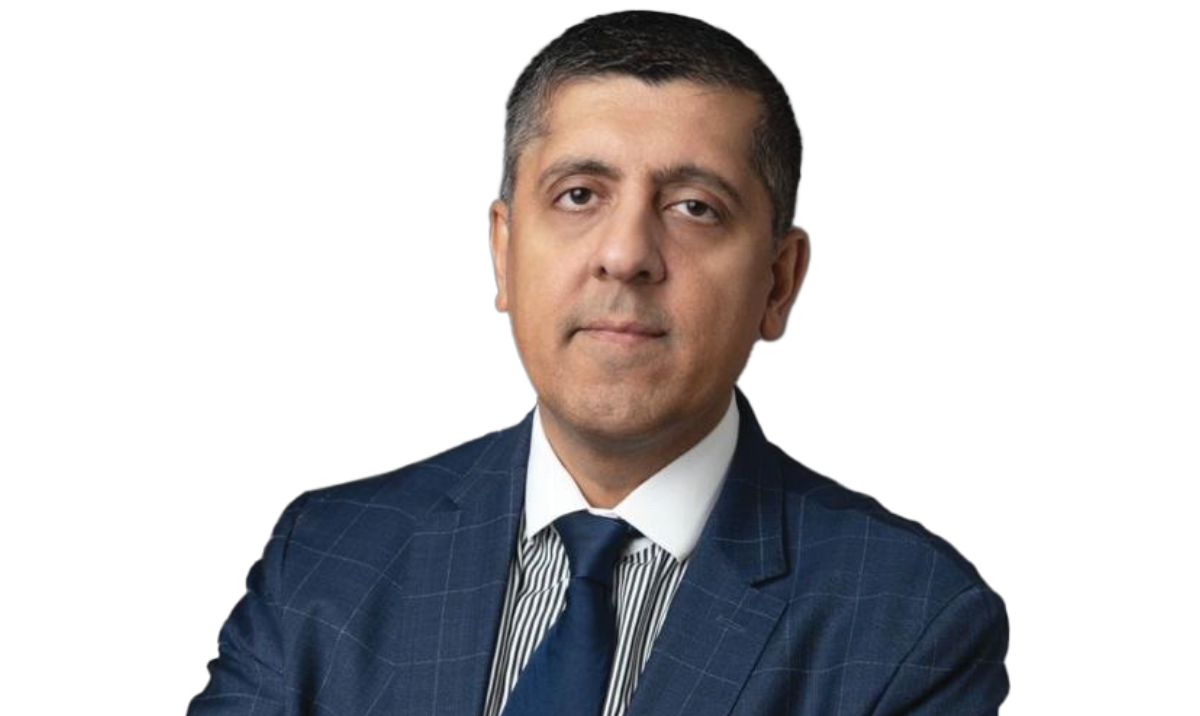
The aim is to preserve capital and shock-absorb balance-of-payments volatility, along with optimizing yield.
Qaiser Noor, executive director and board member at 1957 Ventures, JS Bank, Tiqmo and Owais Capital
Holdings fluctuations
In the 12 months to July, Saudi Arabia’s US Treasury holdings saw notable fluctuations, reflecting active reserve management.
Holdings rose from $142.7 billion in July 2024 to a peak of $143.9 billion two months later, then fell to a low of $126.4 billion in February, before recovering to $133.8 billion in April. They dipped again to $127.7 billion in May and rose to $131.7 billion by July, underscoring Riyadh’s strategic balancing of liquidity, yield, and diversification.
The pattern of Saudi holdings mirrors strategic adjustments rather than anything else, Noor explained, noting that monthly changes mainly reflect liquidity management and market positioning.
“Increases can indicate oil inflows being parked in ultra-safe US dollar paper or duration adds when yields are attractive; declines can reflect funding domestic spending, transfers to other public entities, or rotation within the US dollar curve/custodians,” he explained.
He noted that US Treasury data show Saudi holdings fluctuating between $120 billion to $140 billion in recent months, underscoring “active but disciplined management.”
Drivers of change
Saidi pointed to multiple drivers behind these shifts, noting that the rise until September 2024 reflected the Saudi Central Bank, known as SAMA, capitalizing on higher US interest rates, supported by strong oil revenues from the preceding period.
He added that the drop to a six-year low of $108 billion in June 2023 followed a significant transfer of funds to the Public Investment Fund, and the subsequent rise reflected Aramco dividend transfers, which “would have some impact on inflows of US dollar into the central bank in 2024.”
Speaking to Arab News, Saidi explained that the decline to $126.4 billion by February “is likely a combination of factors – expectations that interest rates would stay higher for longer plus a soft landing in the US, portfolio rebalancing away toward higher-yield investments in the backdrop of lower oil production and prices, SAMA withdrawing to meet domestic spending needs / managing liquidity in the banking system,” adding that after a return to stabilization was seen.
For Saidi, the pattern underscores that “SAMA acts as both the traditional central bank, and also actively manages its reserve holdings to accommodate funding needs as per Vision 2030, mainly via the PIF.”
Balancing safety and return
A key question for Saudi reserve managers is how to reconcile the safety of US debt with the need for higher returns and diversification.
Noor stressed the use of a layered approach, noting that the country “typically separates a highly liquid US dollar layer (Treasuries/bills) from a return-seeking layer with measured duration and complements this with other high-grade supranationals/agency papers and selective non-US dollar assets, hedged as needed.”
He explained that the balance shifts tactically based on yield levels, volatility, and stress-testing of foreign exchange needs, adding that the guiding principle is to ensure buffers perform in crises first, with incremental returns pursued only when they do not compromise the immediate usability of reserves.
SAMA and PIF
The interplay between SAMA and the PIF is central to understanding the bigger picture. Saidi explained that their mandates are different as SAMA’s role is to provide currency, banking, and financial market stability, dictating conservative policies.
Meanwhile, the PIF’s mandate drives a more aggressive investment approach, deploying capital in medium- and long-term domestic projects and international assets to boost economic diversification, revenue, and risk reduction, shifting away from oil and gas toward new technologies.
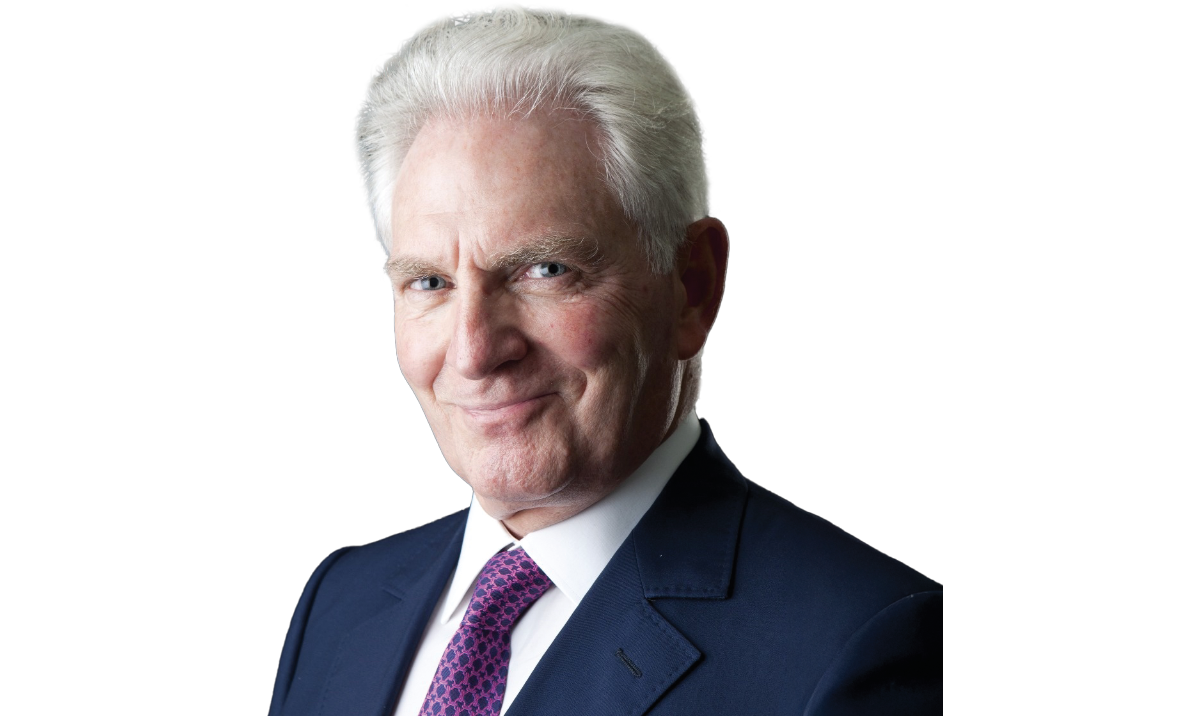
Holding treasuries provides a buffer against oil revenue shocks while also generating a steady, low-risk stream of income.
Nasser Saidi, founder and president of Nasser Saidi & Associates
He added: “There have also been capital transfers between the two entities: SAMA has reallocated funds into the PIF for long-term strategic investments (with an aim of diversifying away from oil; sometimes into higher-risk, higher-return investments.”
Noor described the relationship similarly, emphasizing that the PIF is the Kingdom’s long-term, higher-risk and higher-return vehicle driving diversification and strategic domestic projects, whereas KSA’s reserves serve as a macro-stability tool.
Future outlook
This division of roles enables SAMA to maintain stability while the PIF advances Vision 2030’s diversification agenda — a strategy showing results, with Fitch Ratings projecting the Saudi asset management industry to surpass $400 billion by 2026, highlighting the increasing depth and resilience of the Kingdom’s financial ecosystem.
Looking ahead, both experts expect US Treasuries to remain central to Saudi reserves — but with more diversification in the years to come.
Saidi emphasized that US Treasuries will likely remain the anchor of SAMA’s portfolio due to the dollar peg, but the PIF’s strategy points to greater diversification in the non-reserve segment, with more aggressive investments in private equity, infrastructure, and renewables, as well as artificial intelligence, data centers, technology, and other asset classes.
“Saudi [Arabia] is unlikely to fully abandon the US dollar, despite de-dollarization talks, but expect more diversification and the prospect of a greater role for the Petro-Yuan, given the growing trade and investment links with China, increased holdings in other currencies for trade purposes, and increased holding of gold as a hedge,” Saidi, who has also served as vice governor of the Central Bank of Lebanon for two successive mandates, said.
He added that people should be prepared for the rollout and increased use of a central bank digital currency, a digital riyal, for cross-border transactions as well in the near future.