
 How Makkah shapes Saudi Arabia’s global influence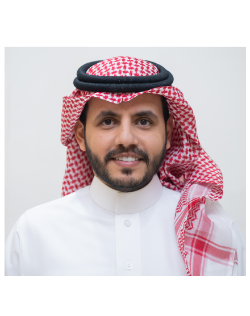
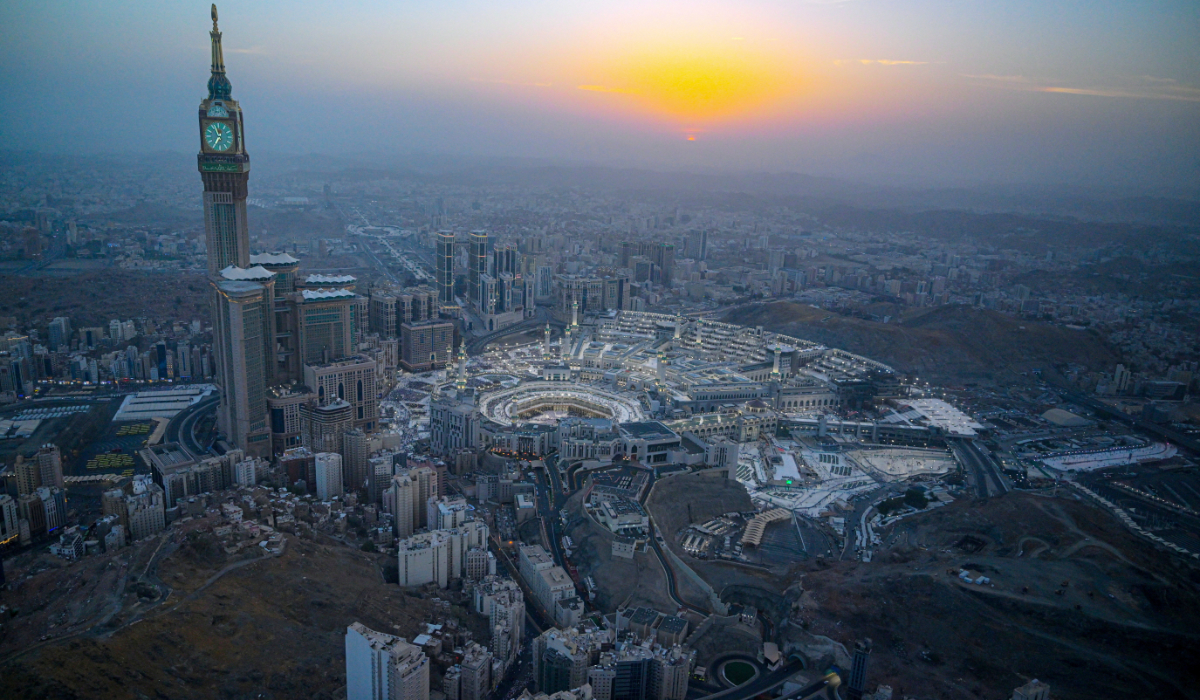
In an era where nations compete for cultural influence through media empires, diplomatic networks, and costly influence campaigns, Makkah contributes significantly to Saudi Arabia’s global reach. The city serves as the spiritual focal point for approximately 2 billion people worldwide, creating a connection that requires no conventional marketing or state-driven media campaigns. For the rest of the world, observing how Saudi Arabia manages the operational and digital demands of the holy sites provides a real-time demonstration of its organizational capabilities.
Religious soft power is not a new phenomenon, but Makkah exerts it on a scale and depth rarely seen elsewhere. The recently concluded Hajj season, which brought more than 1.7 million pilgrims from over 165 nationalities to the holy sites, offered a clear demonstration of this dynamic. Managing this massive influx under harsh climatic conditions required an intricate logistical response, including the distribution of more than 712 million essential supply items by the Ministry of Commerce. Maintaining safety and supply continuity at this scale highlights the Kingdom’s strong operational capabilities.
Makkah is currently navigating a major infrastructural transition under Saudi Vision 2030, marked by major transport expansions and artificial intelligence-driven crowd monitoring. This modernization does not compete with the city’s spiritual character; rather, it actively preserves it. By modernizing transport corridors and expanding the physical capacity of the holy sites, the Kingdom systematically isolates pilgrims from the chaos of logistical bottlenecks. The infrastructure is designed to handle the sheer volume of visitors in the background, allowing the spiritual environment to remain undisrupted by logistical challenges.
Consider how this approach alters the flow of information and administration. The Nusuk platform, the Kingdom’s unified pilgrimage application, has surpassed 51 million users across more than 190 countries. By combining visas, permits, and scheduling in a single system, the app makes it easier for pilgrims to plan their journey. It also connects visitors directly to the Kingdom’s services, streamlining access and reducing common travel difficulties before arrival.
Makkah’s influence does not rest on geopolitical power but on its central place in the Islamic faith
This direct administrative connection strengthens Saudi Arabia’s role in managing the broader religious ecosystem of the holy sites. The sermons delivered from the Grand Mosque then extend this influence, often emphasizing themes of moderation and universal values. In an era of fragmented digital platforms where fringe and extremist content can circulate widely, Makkah’s central message provides a widely shared point of reference for many Muslims worldwide.
Finally, this administrative efficiency shapes the relationship between a pilgrim’s expectations and their lived experience. A pilgrim traveling across continents often carries a long-held, idealized image of Makkah. If they encounter severe transit delays, limited facilities, or unsafe crowding, that sense of spiritual focus can be disrupted by practical difficulties. The infrastructure upgrades under Vision 2030 aim to reduce these challenges. By making transit more efficient and crowd movement safer, the operational systems become less visible, allowing pilgrims to experience the sanctity of the city more directly.
Makkah’s influence does not rest on geopolitical power but on its central place in the Islamic faith. As the Kingdom continues to manage the logistical demands of pilgrimage while safeguarding the sanctity of the holy sites, this role also carries broader symbolic significance. In this sense, the management of the holy cities contributes to Saudi Arabia’s international standing in ways that extend beyond conventional diplomacy.
• Osama Alqahtani is a senior executive adviser with more than 20 years’ experience in strategic communication, international relations, and public affairs. He serves as supervisor-general of the office of the secretary-general at the Muslim World League and holds master’s degrees from Johns Hopkins University and the UN University for Peace.