
 Iran had a plan, Saudi Arabia had a better one

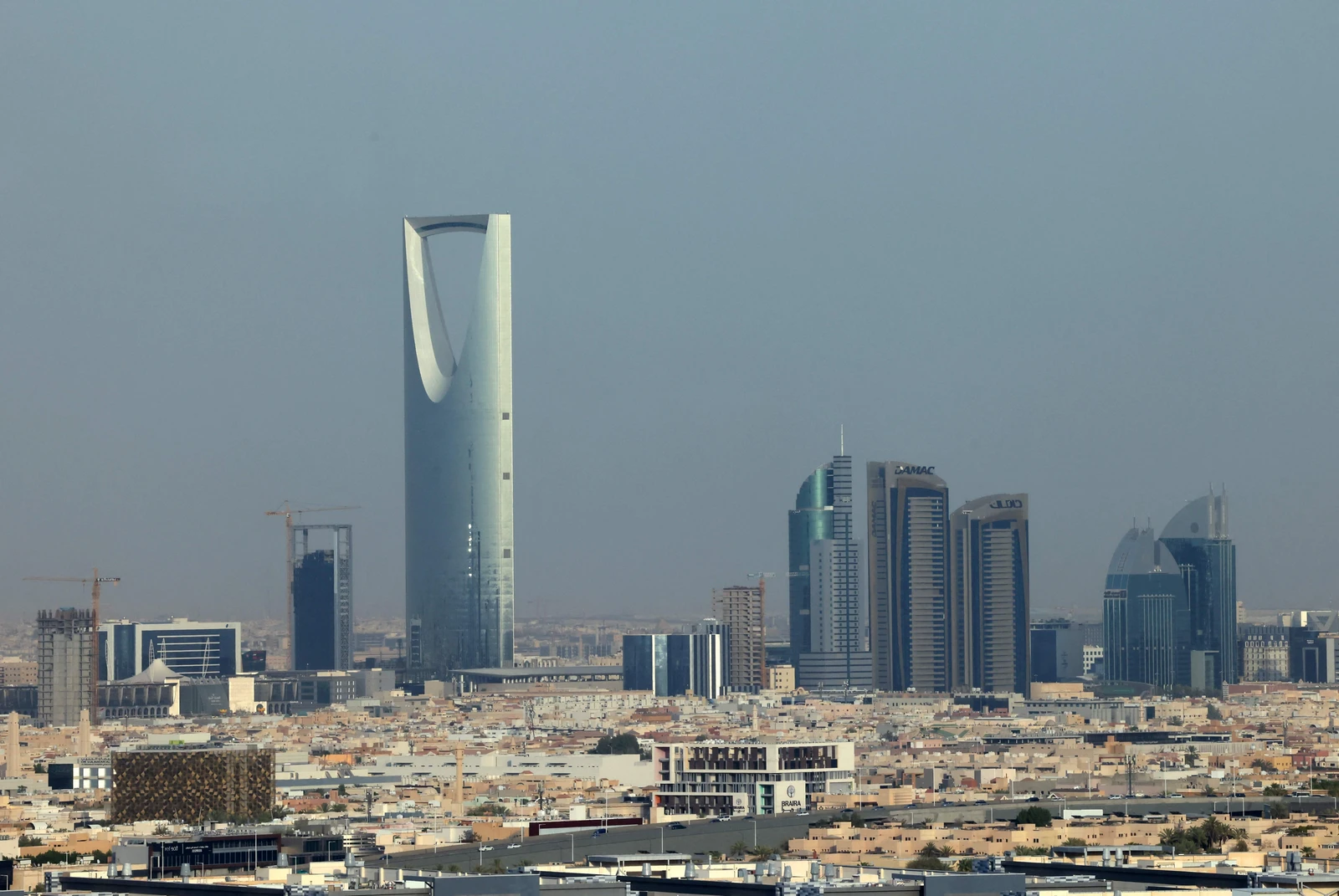
Years ago, I argued that Crown Prince Mohammed bin Salman was reshaping the Middle East’s balance of power by transforming Saudi Arabia’s strategic advantages into sources of regional and international influence. The current conflict offers a striking illustration of that argument, revealing how years of investment in economic resilience, military preparedness, critical infrastructure and diplomatic partnerships have strengthened the Kingdom’s ability to respond to regional crises on multiple fronts.
For years, Iranian officials have warned that any major military confrontation between Iran and the West could disrupt global oil supplies. According to Reuters, Ebrahim Zolfaqari, a spokesperson for Iran’s military command, warned in March 2026 that oil prices could reach $200 per barrel.
Such warnings are hardly new. In December 2011, Iran’s Foreign Ministry spokesman, Ramin Mehmanparast, warned that Western restrictions on Iranian oil exports could drive prices above $250 per barrel. Although the circumstances differed, the underlying message remained consistent: If subjected to Western pressure, Tehran could impose substantial economic costs on the rest of the world.
Yet Tehran appears to have underestimated a key regional player: Saudi Arabia. Through years of investment in advanced infrastructure, logistical flexibility, military capabilities and long-term strategic planning, the Kingdom has strengthened its ability to withstand regional disruptions. Crucially, it has also developed the capacity to sustain its oil exports even when regional conflicts threaten traditional shipping routes.
The stakes are considerable. According to the US Energy Information Administration, about 20.9 million barrels of oil and petroleum products passed through the Strait of Hormuz daily during the first half of 2025, accounting for roughly one-fifth of global petroleum liquids consumption.
But the vulnerability of the Strait of Hormuz tells only part of the story. For decades, Saudi Arabia has invested in infrastructure designed to reduce its dependence on this strategic chokepoint. Its East-West Pipeline, connecting the Kingdom’s eastern oil-producing regions to the Red Sea, provides an alternative export route that bypasses the Strait of Hormuz.
The benefits of that long-term investment have become increasingly apparent during the present conflict.
According to TankerTrackers, Saudi crude exports averaged 8.165 million barrels per day during the first 15 days of October, compared with 7.271 million barrels per day in February, before the war. Although these preliminary figures cover different reporting periods, they illustrate a substantial recovery in Saudi export volumes despite continuing regional instability.
Equally important is the Kingdom’s ability to restore damaged infrastructure. Reuters reported in October that Saudi Aramco resumed pumping within days after a drone attack damaged a major pipeline facility. This rapid recovery reflects years of investment in emergency response teams, repair capabilities and operational preparedness.
And Riyadh is already looking ahead. On Oct. 12, Energy Minister Prince Abdulaziz bin Salman outlined plans to increase crude oil export capacity through pipelines to as much as 10 million barrels per day over the next two to three years. The plans include temporarily repurposing a domestic gas pipeline, potentially adding 1.2 million barrels per day of capacity within seven to eight weeks.
Yet Saudi Arabia’s response extends well beyond the energy sector. Its air defenses have intercepted incoming missiles and drones, while Saudi-led military operations have targeted Houthi capabilities threatening the Kingdom and vital shipping routes. At the diplomatic level, Riyadh has strengthened security coordination with Turkiye and Pakistan, while Egypt has publicly expressed its readiness to support the Kingdom’s defense if requested.
Taken together, these developments reveal a broader strategic picture. Saudi Arabia has demonstrated an ability to combine economic resilience, military capabilities and regional partnerships, while maintaining operational flexibility under exceptionally difficult circumstances.
This does not mean that the Kingdom has escaped the costs of war. Attacks have caused casualties, damaged infrastructure and disrupted civilian life. Nor have the threats to regional energy supplies disappeared.
Nevertheless, the figures offer an important perspective. Brent crude settled at $109.86 per barrel on Oct. 16 before retreating to around $108 on Oct. 19, according to Reuters. Despite heightened geopolitical tensions and disruptions to global energy supplies, prices remain far below the $200 threshold invoked by Iranian officials. Further escalation could still push prices higher, but the catastrophic price surge Tehran warned of has yet to materialize.
If Tehran’s calculation was to turn disruptions in Gulf energy supplies into overwhelming economic pressure, the results so far have fallen short of that objective. Saudi Arabia’s response has instead demonstrated the strategic value of investments made long before the present conflict began.
More importantly, this crisis has underscored Saudi Arabia’s significance as an international actor whose capabilities shouldn’t be underestimated. The Kingdom has demonstrated that its strategic strength extends beyond its vast energy resources to include the ability to restore damaged infrastructure rapidly, maintain alternative export routes, confront military threats and mobilize regional support.
The conflict remains unresolved, and its ultimate consequences are far from certain. Yet one lesson is becoming increasingly clear: Saudi Arabia possesses more strategic options than a strategy built around disrupting its energy supplies might have anticipated.
Tehran had a plan to turn energy disruption into political leverage. Riyadh demonstrated the strength of a broader strategy, one built on long-term investment, military preparedness, diplomatic partnerships, and the ability to respond on several fronts at once.
The contrast is clear: Tehran planned to disrupt the flow of oil; Riyadh planned to keep it flowing. And so far, the crisis has demonstrated the difference between having a plan and having a better one.
• Nasser bin Hamed Al-Ahmad is a political researcher and writer with more than eight years’ experience in political media. He writes on politics, leadership, institutions and social change, with a particular focus on the MENA region and the US. X: @nasseralahmad3