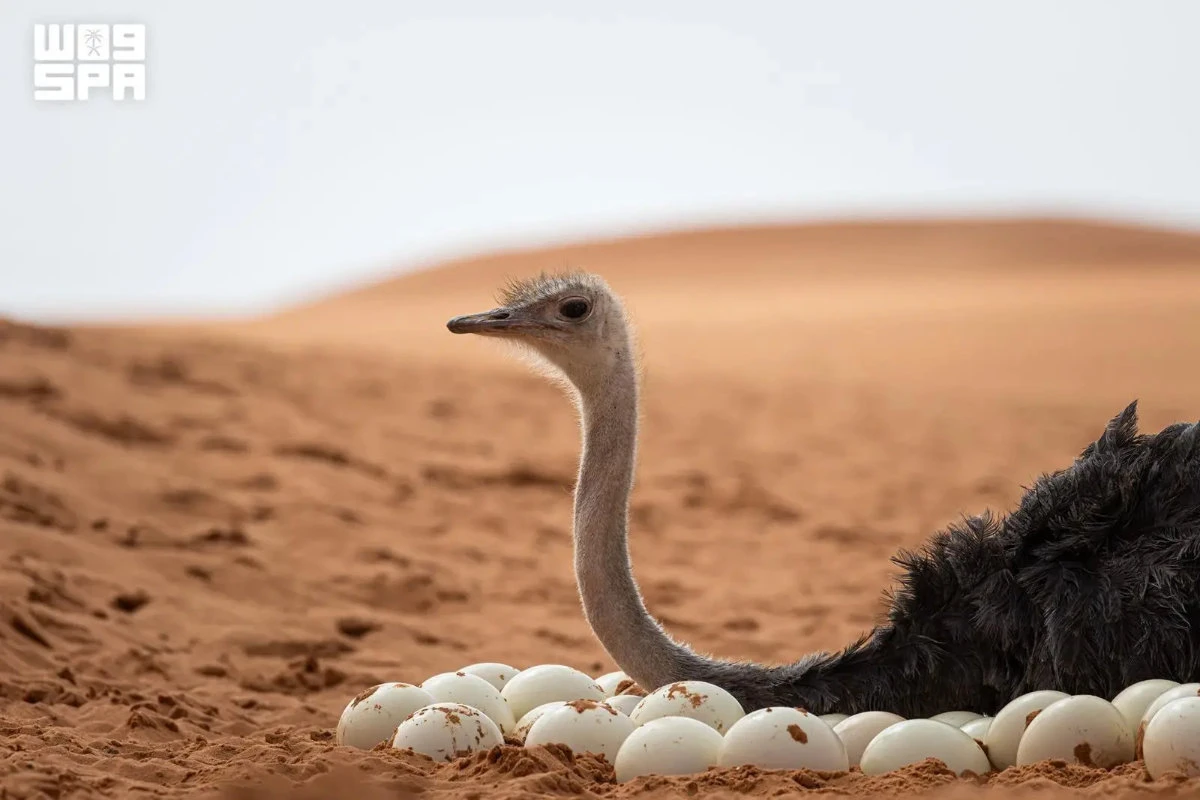
- Red-necked ostrich chicks increase in Rawdat Khuraim as rewilding gathers pace
- Breeding gains support wider effort to restore iconic desert bird across Saudi Arabia
RIYADH: Saudi Arabia is making steady progress in restoring the red-necked ostrich to its historic range, with new breeding successes at the Imam Abdulaziz bin Mohammed Royal Reserve adding momentum to a coordinated national rewilding effort spanning several protected areas across the Kingdom, according to reports carried by the Saudi Press Agency (SPA).
The Imam Abdulaziz bin Mohammed Royal Reserve Development Authority said its specialized breeding program at Rawdat Khuraim has recorded an increase in red-necked ostrich chicks, marking another milestone in efforts to rebuild populations of a species once native to the Arabian Peninsula and the Al-Dahna Desert in Najd.
The authority said the program combines natural nesting with assisted incubation, transferring selected eggs to dedicated hatcheries where veterinary specialists monitor their development under controlled conditions to improve hatching success and chick survival.
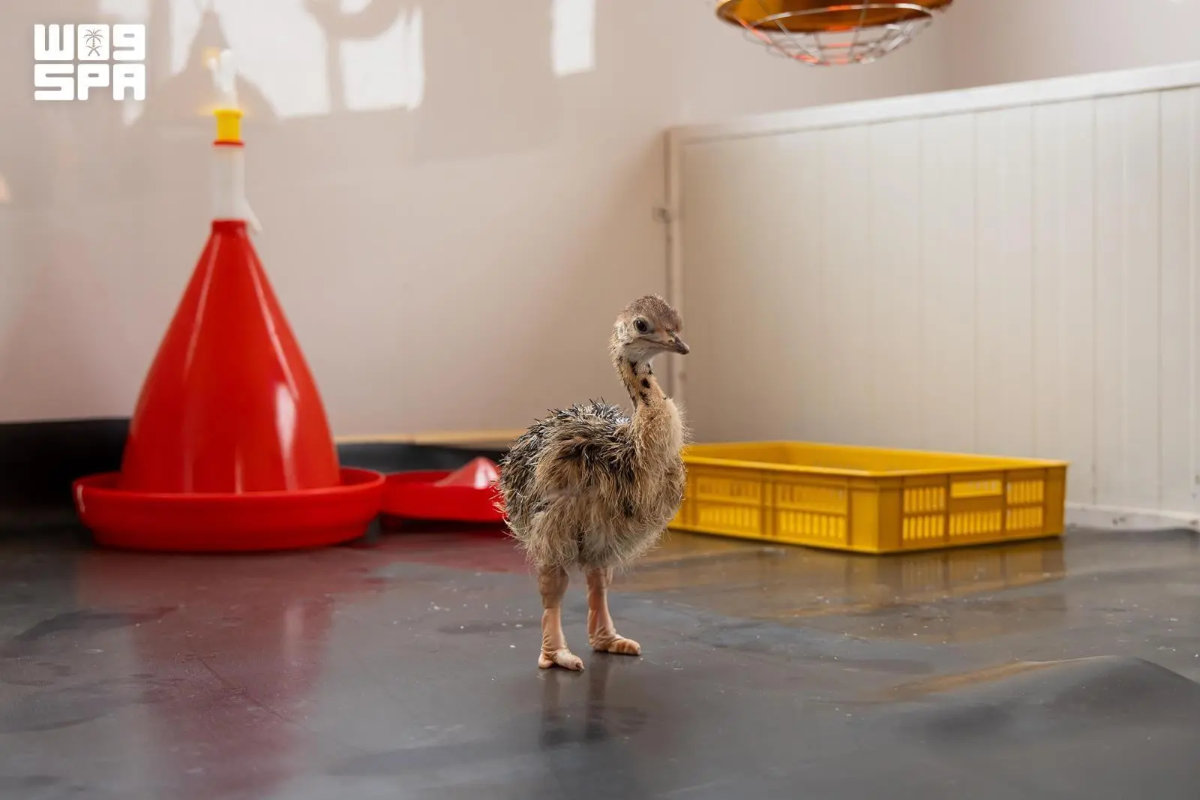
Wildlife teams aim to raise assisted breeding rates to more than 30 percent while gradually preparing young birds for release into the reserve’s natural habitats, where they are expected to adapt and reproduce independently.
The reserve said restoring ostrich populations contributes to ecological balance and healthier desert ecosystems, as the large birds play an important role in seed dispersal and maintaining biodiversity.
The latest breeding gains form part of a broader national conservation strategy that has seen red-necked ostriches reintroduced or bred across multiple Saudi reserves.
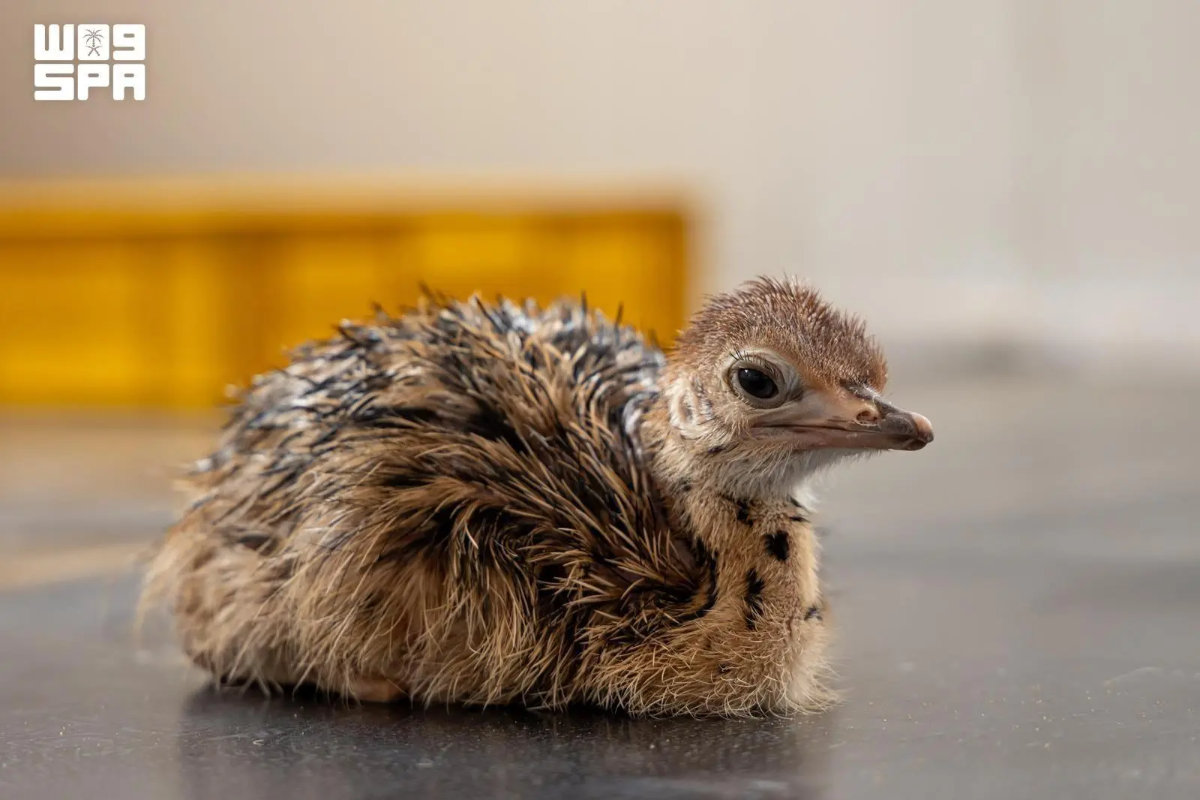
In April, the Imam Turki bin Abdullah Royal Nature Reserve announced more than 90 wildlife births during the first quarter of 2026, including the hatching of seven red-necked ostriches alongside newborn Arabian gazelles, Arabian oryx, Cape hares and rock hyraxes. The authority said the figures reflected the success of reintroduction programs and demonstrated that wildlife was increasingly reproducing naturally rather than relying solely on managed breeding.
Another milestone came in December 2025 when the Prince Mohammed bin Salman Royal Reserve reintroduced five critically endangered red-necked ostriches—known historically as the “camel bird”—to establish a founder population replacing the extinct Arabian, or Syrian, ostrich.
The reserve described the move as a landmark in its long-term rewilding strategy, identifying the North African red-necked ostrich as the closest surviving genetic relative of the Arabian ostrich, which disappeared from the region in the early 20th century because of overhunting and habitat loss.
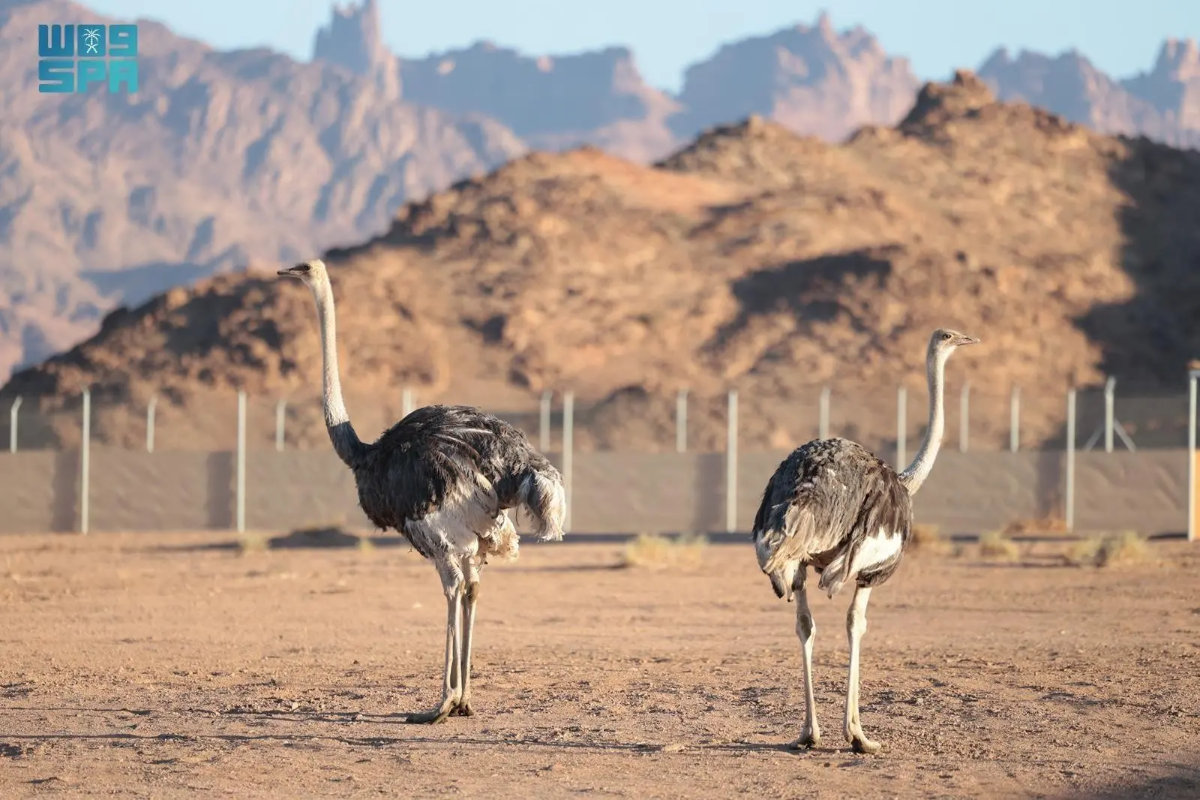
The reintroduction was the 12th of 23 historically native species being restored to the 24,500-square-kilometer reserve in northwestern Saudi Arabia. Reserve officials said the initiative was coordinated with the National Center for Wildlife and fellow royal reserves, including Imam Turki bin Abdullah and Imam Saud bin Abdulaziz royal reserves, as well as partners such as Aramco, NEOM and the Royal Commission for AlUla.
SPA also reported that the red-necked ostrich has been reintroduced to the NEOM Nature Reserve as part of its regional rewilding strategy. The reserve has successfully raised 27 chicks adapted to local desert conditions, adding another breeding population to the Kingdom’s growing conservation network.
The red-necked ostrich, the world’s largest living bird, can reach 2.7 meters in height, weigh more than 150 kilograms and sprint at speeds of up to 70 kilometers per hour. Fewer than 1,000 are believed to remain in the wild across Africa’s Sahel region.
Saudi Arabia’s expanding breeding and reintroduction programs are part of broader efforts under Vision 2030 and the Saudi Green Initiative to restore native wildlife, strengthen biodiversity and rehabilitate desert ecosystems through cooperation among the Kingdom’s network of royal reserves and conservation agencies.