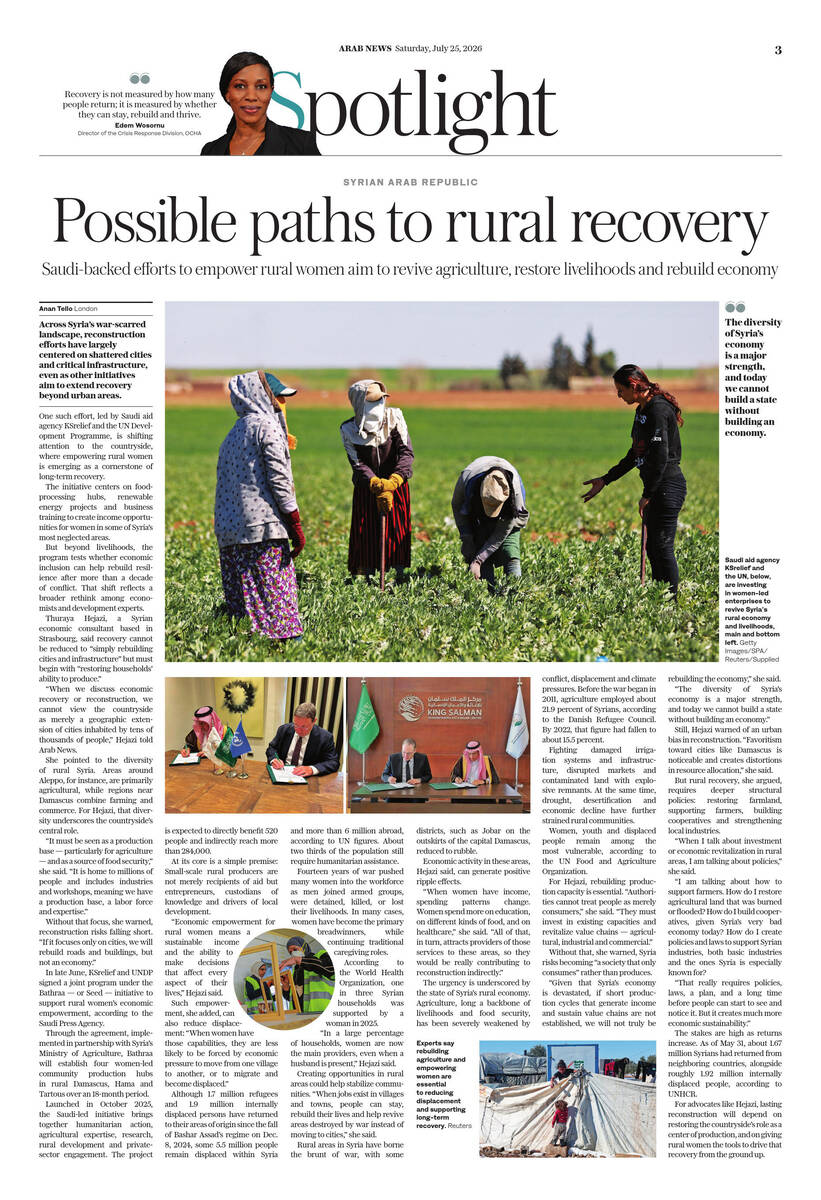
- Saudi aid agency KSrelief and the UN are investing in women-led enterprises to revive Syria’s rural economy and livelihoods
- Experts say rebuilding agriculture and empowering women are essential to reducing displacement and supporting long-term recovery
LONDON: Across Syria’s war-scarred landscape, reconstruction efforts have largely centered on shattered cities and critical infrastructure, even as other initiatives aim to extend recovery beyond urban areas.
One such effort, led by Saudi aid agency KSrelief and the UN Development Programme, is shifting attention to the countryside, where empowering rural women is emerging as a cornerstone of long-term recovery.
The initiative centers on food-processing hubs, renewable energy projects and business training to create income opportunities for women in some of Syria’s most neglected areas.
But beyond livelihoods, the program tests whether economic inclusion can help rebuild resilience after more than a decade of conflict. That shift reflects a broader rethink among economists and development experts.
Thuraya Hejazi, a Syrian economic consultant based in Strasbourg, said recovery cannot be reduced to “simply rebuilding cities and infrastructure” but must begin with “restoring households’ ability to produce.”
“When we discuss economic recovery or reconstruction, we cannot view the countryside as merely a geographic extension of cities inhabited by tens of thousands of people,” Hejazi told Arab News.
She pointed to the diversity of rural Syria. Areas around Aleppo, for instance, are primarily agricultural, while regions near Damascus combine farming and commerce. For Hejazi, that diversity underscores the countryside’s central role.
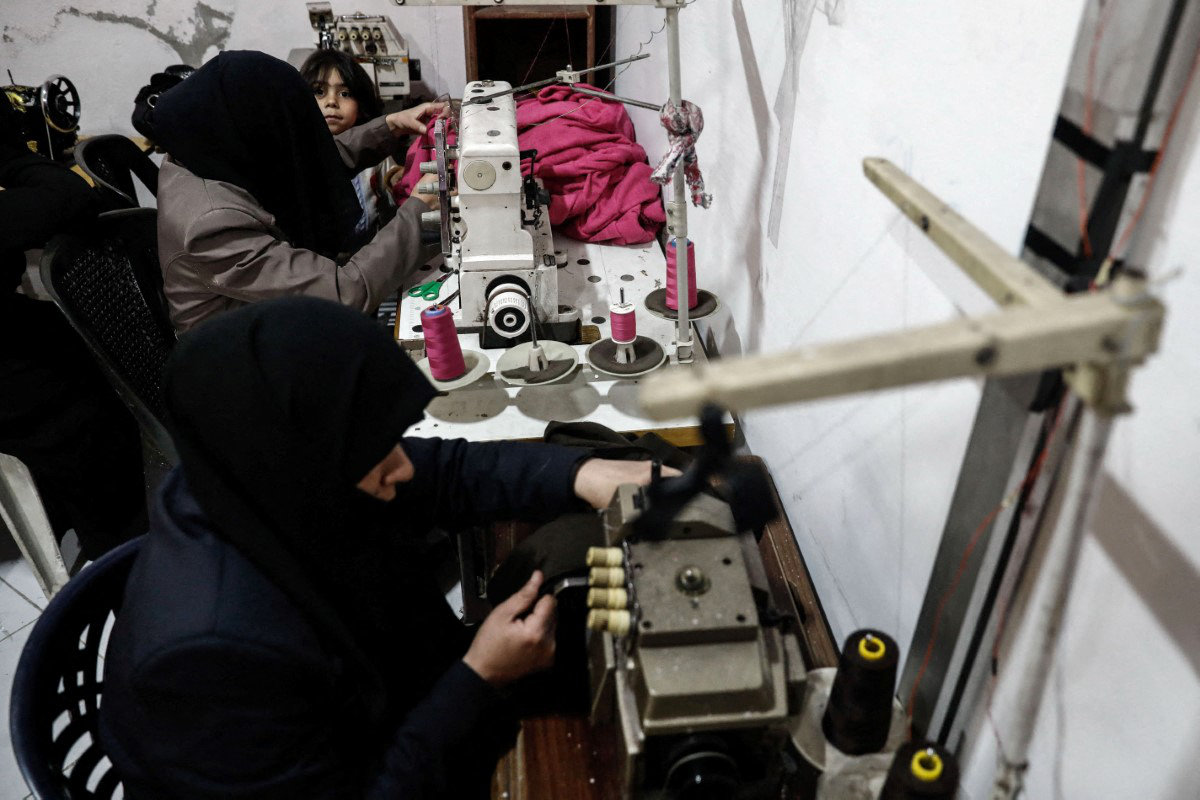
“It must be seen as a production base — particularly for agriculture — and as a source of food security,” she said. “It is home to millions of people and includes industries and workshops, meaning we have a production base, a labor force and expertise.”
Without that focus, she warned, reconstruction risks falling short. “If it focuses only on cities, we will rebuild roads and buildings, but not an economy.”
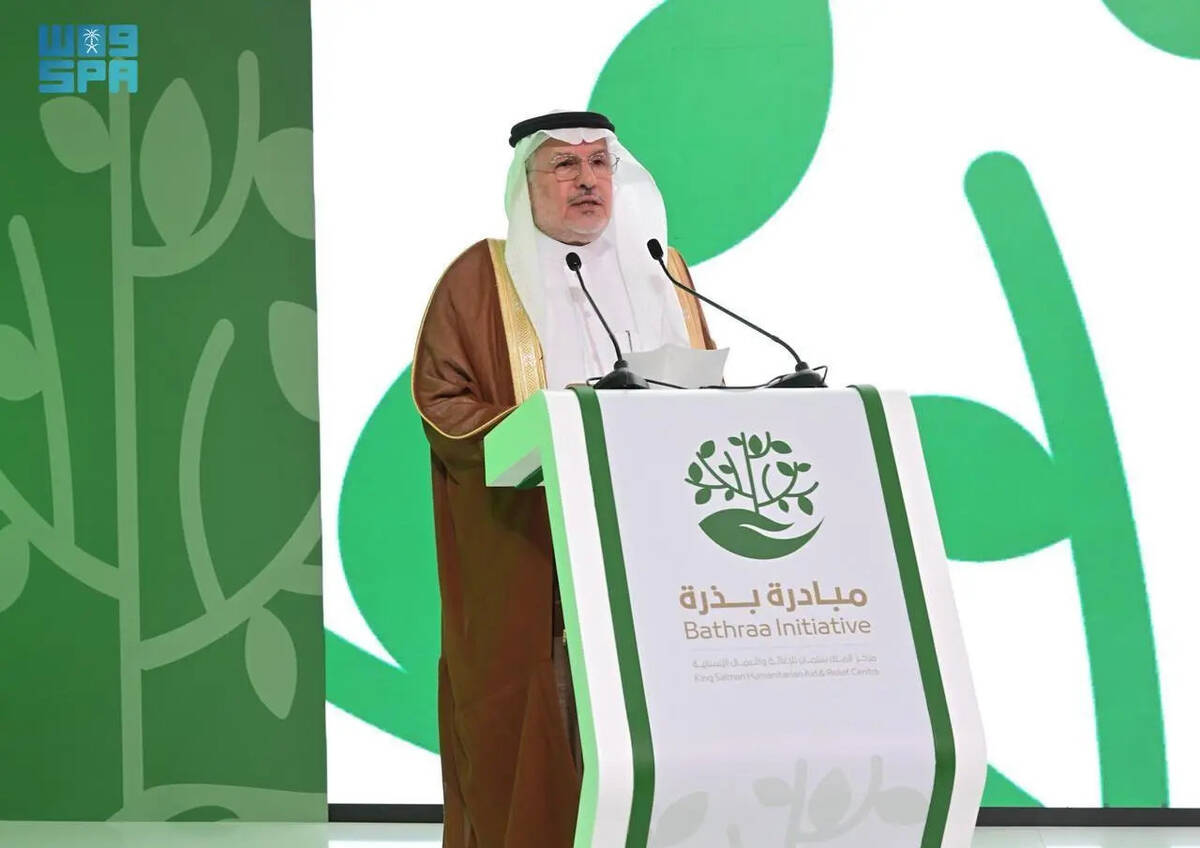
In late June, KSrelief and UNDP signed a joint program under the Bathraa — or Seed — initiative to support rural women’s economic empowerment, according to the Saudi Press Agency.
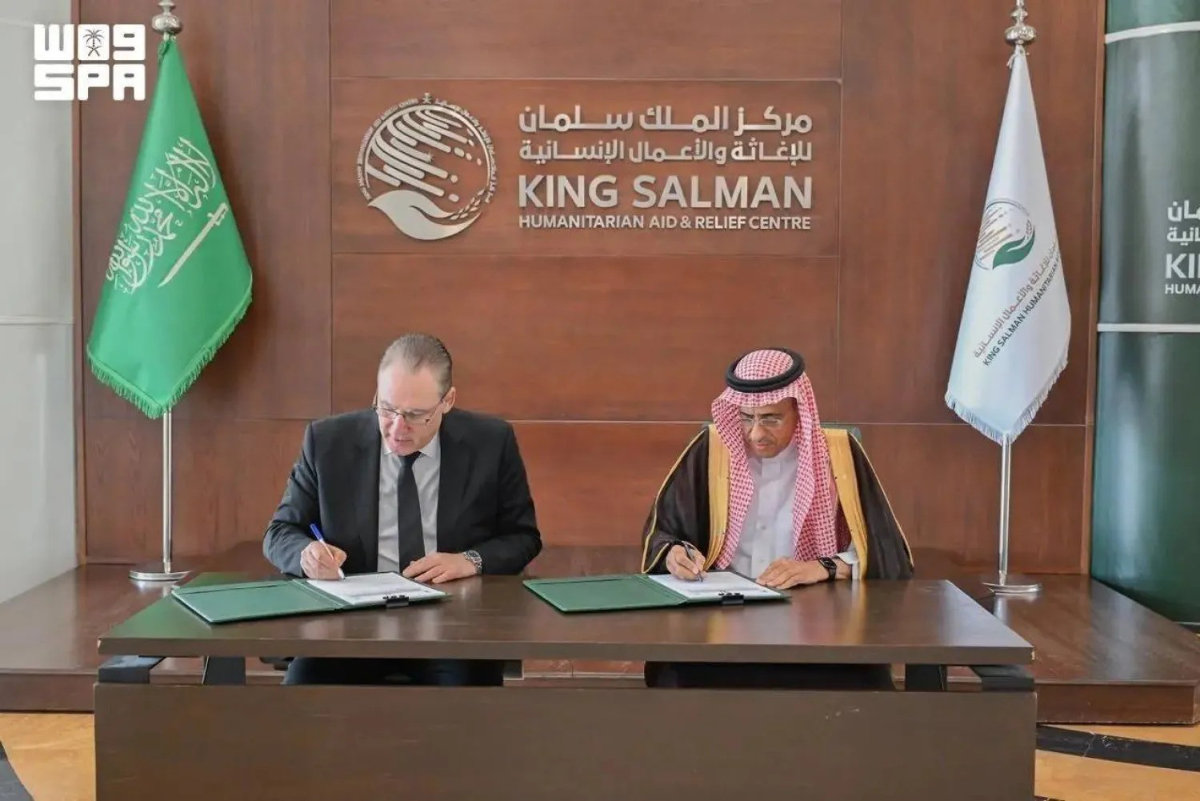
Through the agreement, implemented in partnership with Syria’s Ministry of Agriculture, Bathraa will establish four women-led community production hubs in rural Damascus, Hama and Tartous over an 18-month period.
More than an agricultural program, Bathraa represents a vision of rural development grounded in resilience, economic empowerment and women’s leadership. It includes technical, entrepreneurial and leadership training, along with tools to help women launch and expand income-generating activities.
It aims to strengthen livelihoods by rehabilitating multipurpose production centers equipped with food-processing units, composting systems, marketing kiosks and renewable energy solutions.
Launched in October 2025, the Saudi-led initiative brings together humanitarian action, agricultural expertise, research, rural development and private-sector engagement. The project is expected to directly benefit 520 people and indirectly reach more than 284,000.
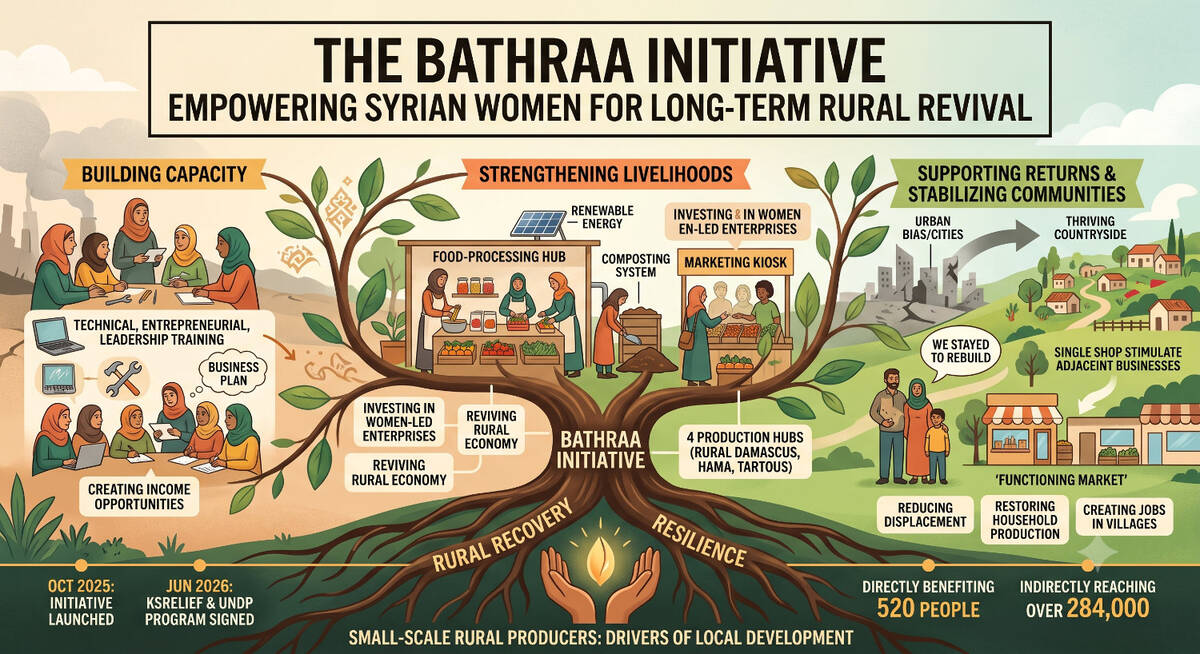
At its core is a simple premise: Small-scale rural producers are not merely recipients of aid but entrepreneurs, custodians of knowledge and drivers of local development.
“Economic empowerment for rural women means a sustainable income and the ability to make decisions that affect every aspect of their lives,” Hejazi said.
Such empowerment, she added, can also reduce displacement: “When women have those capabilities, they are less likely to be forced by economic pressure to move from one village to another, or to migrate and become displaced.”
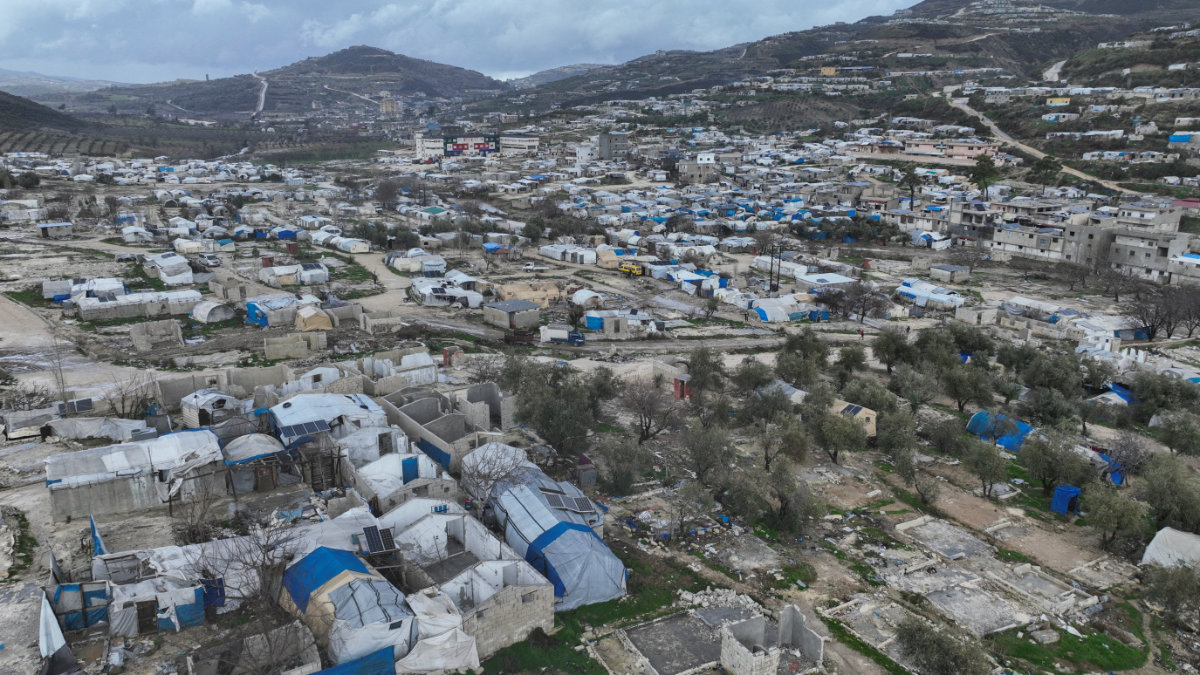
Although 1.7 million refugees and 1.9 million internally displaced persons have returned to their areas of origin since the fall of Bashar Assad’s regime on Dec. 8, 2024, some 5.5 million people remain displaced within Syria and more than 6 million abroad, according to UN figures.
About two thirds of the population still require humanitarian assistance.
Fourteen years of war pushed many women into the workforce as men joined armed groups, were detained, killed, or lost their livelihoods. In many cases, women have become the primary breadwinners, while continuing traditional caregiving roles.
According to the World Health Organization, one in three Syrian households was supported by a woman in 2025.
“In a large percentage of households, women are now the main providers, even when a husband is present,” Hejazi said.
Creating opportunities in rural areas could help stabilize communities. “When jobs exist in villages and towns, people can stay, rebuild their lives and help revive areas destroyed by war instead of moving to cities,” she said.
Rural areas in Syria have borne the brunt of war, with some districts, such as Jobar on the outskirts of the capital Damascus, reduced to rubble.
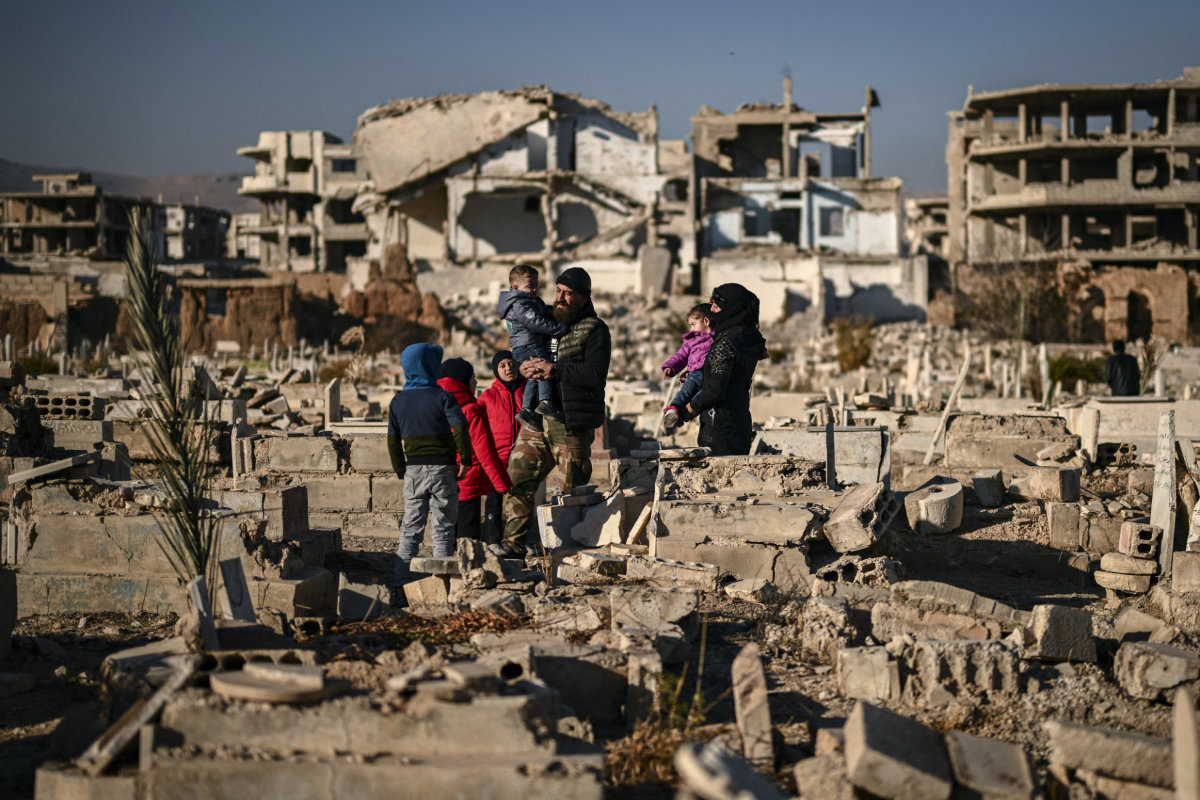
Economic activity in these areas, Hejazi said, can generate positive ripple effects.
“When women have income, spending patterns change. Women spend more on education, on different kinds of food, and on healthcare,” she said. “All of that, in turn, attracts providers of those services to these areas, so they would be really contributing to reconstruction indirectly.”
Even a single shop opening on a damaged street can spur nearby restaurants, phone stores and other businesses, she said, gradually transforming the area into a functioning market.
Still, Hejazi stressed the importance of broader reforms alongside training and grants. “We need integrated economic policies that ensure access to training, credit and labor markets, and align education with market needs,” she said.
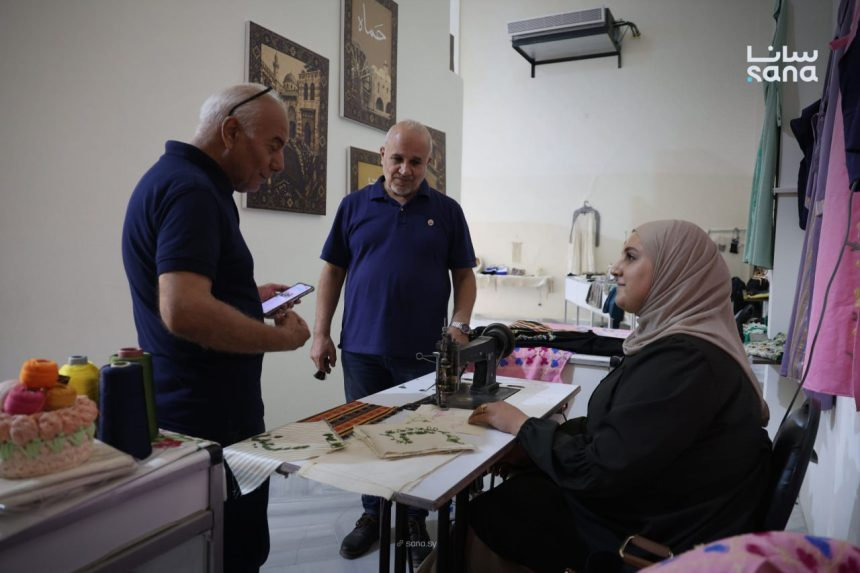
Legal barriers remain a key obstacle. For example, access to credit is often tied to property ownership, which many women lack, while businesses launched during the war often remain unregistered.
Addressing those gaps, according to Hejazi, would improve stability and encourage returns.
The urgency is underscored by the state of Syria’s rural economy. Agriculture, long a backbone of livelihoods and food security, has been severely weakened by conflict, displacement and climate pressures.
Before the war began in 2011, agriculture employed about 21.9 percent of Syrians, according to the Danish Refugee Council. By 2022, that figure had fallen to about 15.5 percent.
Fighting damaged irrigation systems and infrastructure, disrupted markets and contaminated land with explosive remnants. At the same time, drought, desertification and economic decline have further strained rural communities.
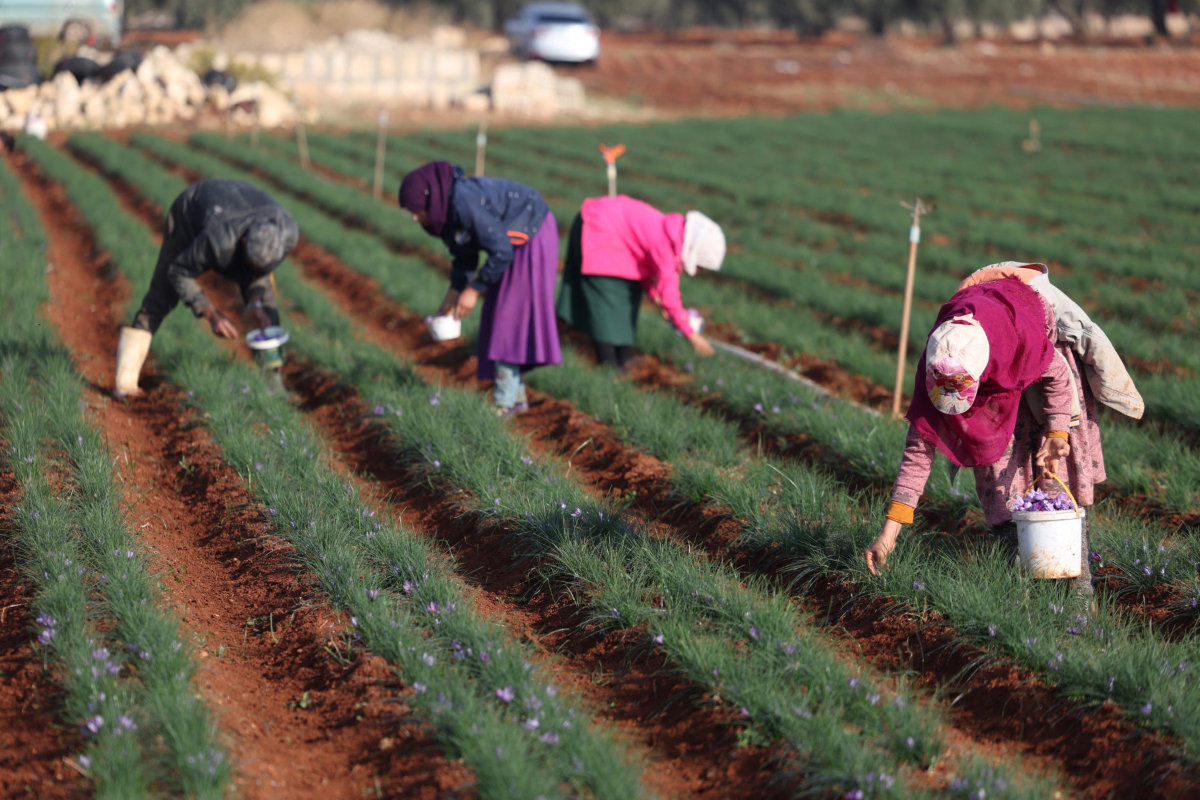
Women, youth and displaced people remain among the most vulnerable, according to the UN Food and Agriculture Organization.
For Hejazi, rebuilding production capacity is essential. “Authorities cannot treat people as merely consumers,” she said. “They must invest in existing capacities and revitalize value chains — agricultural, industrial and commercial.”
Without that, she warned, Syria risks becoming “a society that only consumes” rather than produces.
“Given that Syria’s economy is devastated, if short production cycles that generate income and sustain value chains are not established, we will not truly be rebuilding the economy,” she said.
“The diversity of Syria’s economy is a major strength, and today we cannot build a state without building an economy.”
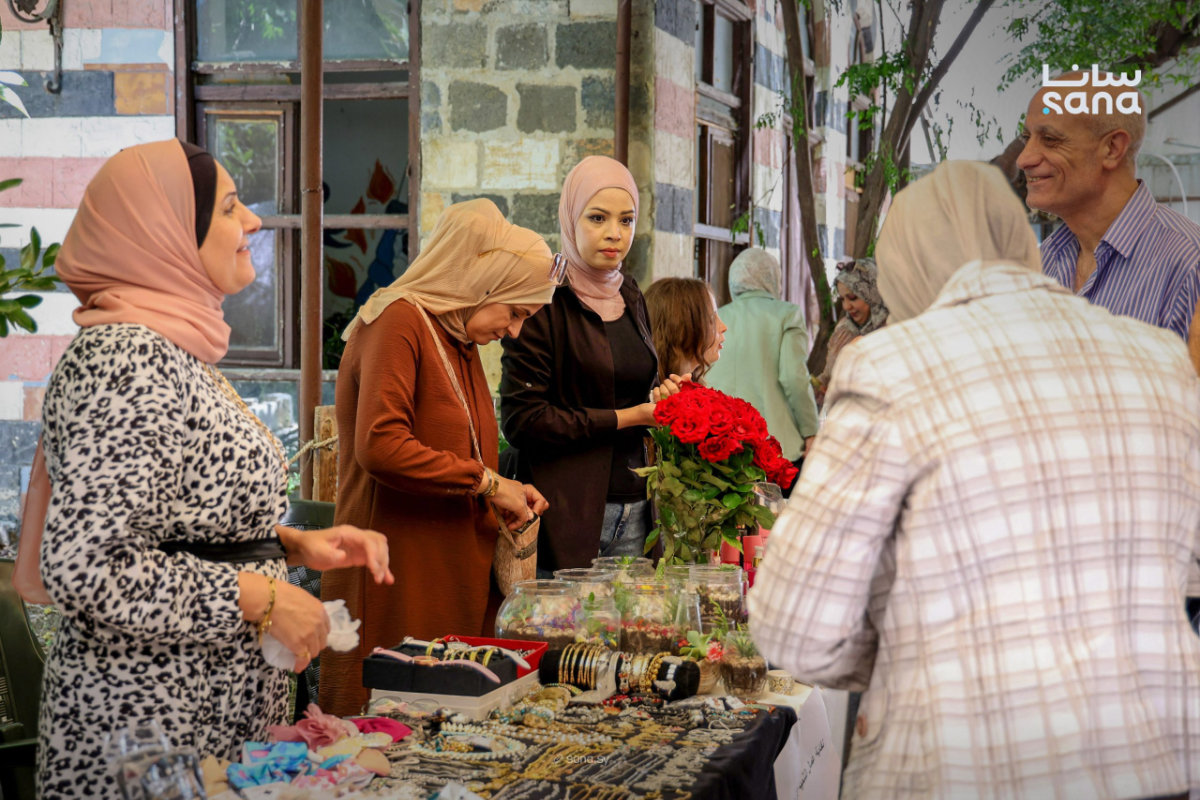
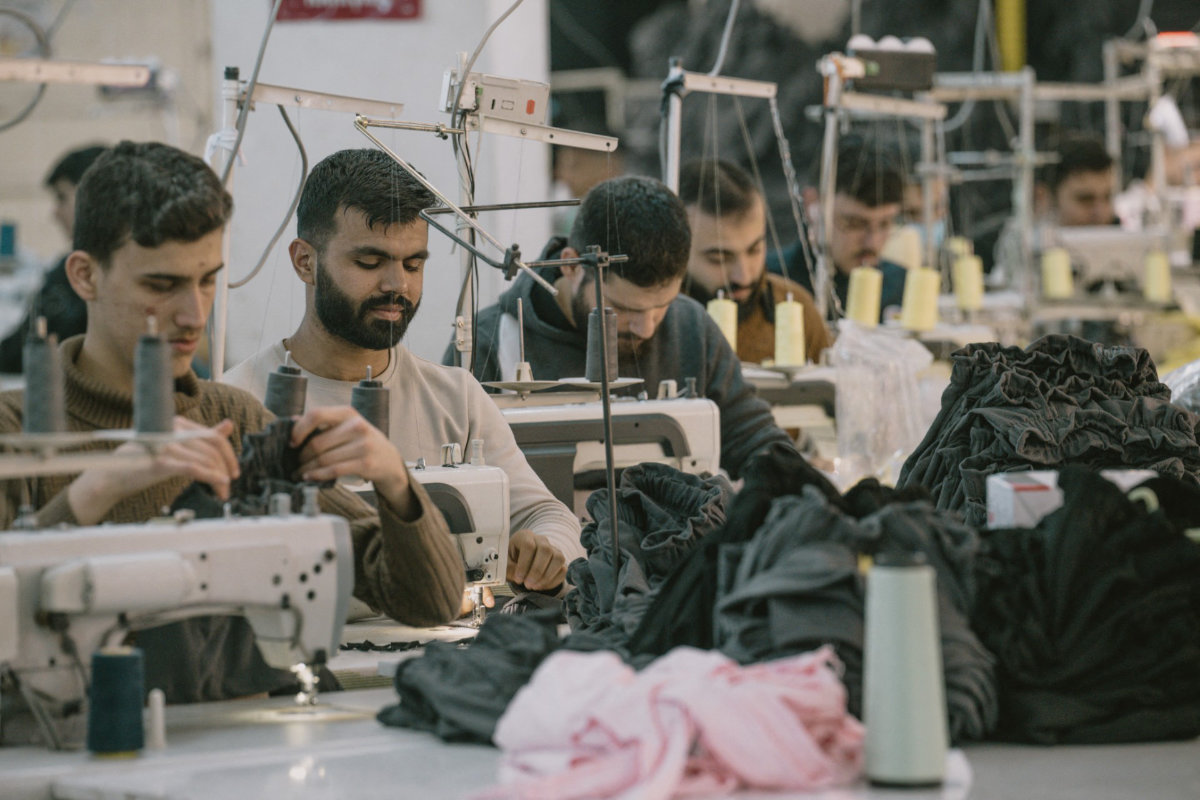
Before the war, the country had a diverse economy spanning agriculture, manufacturing, textiles, trade and oil. Rural areas were tied to farming and livestock, while cities such as Damascus and Aleppo served as commercial and industrial hubs.
UNDP says parts of the private sector ecosystem still operate, sustaining livelihoods and preserving skills. But the overall picture remains bleak.
By 2025, Syria’s gross domestic product had fallen to less than half its prewar level, unemployment had tripled, and energy production had dropped by 80 percent, according to UN figures.
Today, more than 90 percent of the population lives below the poverty line.
A February 2025 UNDP report warned that, at current growth rates, the economy may not recover to prewar levels before 2080. Faster recovery would require a dramatic increase in annual growth.
Amid these challenges, Syria’s new Ministry of Agriculture launched its National Agriculture Strategy for 2026-30, aiming to improve crop varieties, promote climate-resilient farming and ensure sustainable use of water and land.
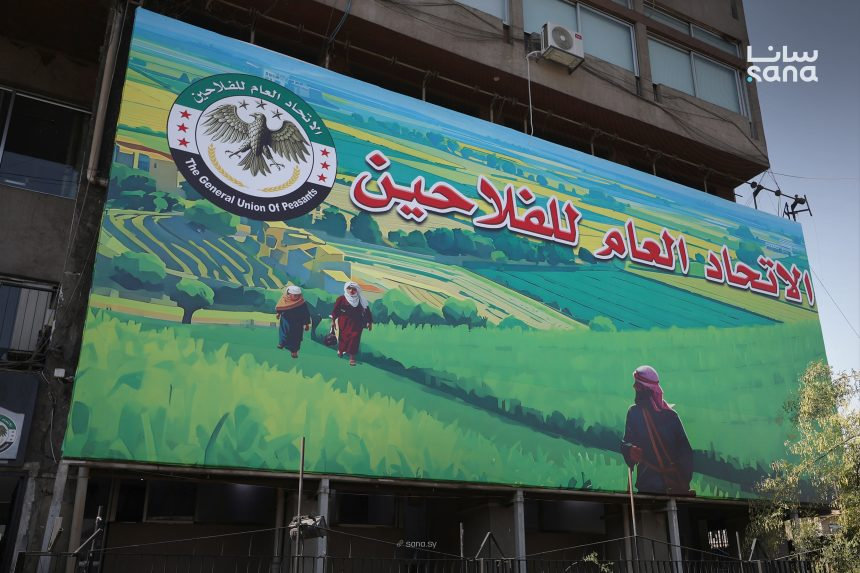
Still, Hejazi warned of an urban bias in reconstruction. “Favoritism toward cities like Damascus is noticeable and creates distortions in resource allocation,” she said.
Investment often flows more easily to cities, where damage is less severe and projects are simpler, such as repairs to roads or public buildings, she said.
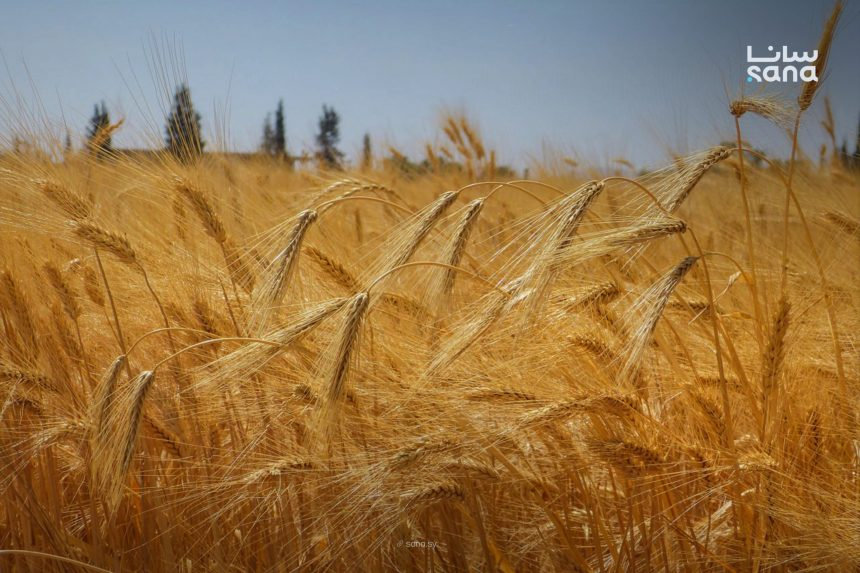
But rural recovery, she argued, requires deeper structural policies: restoring farmland, supporting farmers, building cooperatives and strengthening local industries.
“When I talk about investment or economic revitalization in rural areas, I am talking about policies,” she said.
“I am talking about how to support farmers. How do I restore agricultural land that was burned or flooded? How do I build cooperatives, given Syria’s very bad economy today? How do I create policies and laws to support Syrian industries, both basic industries and the ones Syria is especially known for?
“That really requires policies, laws, a plan, and a long time before people can start to see and notice it. But it creates much more economic sustainability.”
Such efforts take longer but offer greater sustainability. Otherwise, funding gaps risk widening disparities between cities and the countryside, leaving rural areas with fewer jobs, weaker services and lower living standards, Hejazi explained.
For her, policy alone is not enough without sustained focus on rural communities. “If rural areas are neglected, opportunities will remain limited, conditions will stay weak and people will continue to leave,” she said.
That, she warned, will deepen regional inequalities and make return less likely: “Once people settle in cities and build a life there, it becomes much harder to return to their villages.”
The stakes are high as returns increase. As of May 31, about 1.67 million Syrians had returned from neighboring countries, alongside roughly 1.92 million internally displaced people, according to UNHCR.

Yet many are returning to communities still lacking basic services. A July report by the International Rescue Committee found 91 percent of returnees arrived in areas without essential services, while 71 percent cited service shortages as the main barrier to reintegration.
The report warned that underfunded and uneven aid distribution could fuel competition over scarce resources and weaken social cohesion.
In rural areas, risks are compounded by explosive remnants of war. The IRC said contamination remains one of the most severe threats, restricting movement, livelihoods and safe return. An estimated 300,000 unexploded objects still affect the country.
For advocates like Hejazi, lasting reconstruction will depend on restoring the countryside’s role as a center of production, and on giving rural women the tools to drive that recovery from the ground up.