- Foreign minister Ishaq Dar says the Makkah Joint Defense Agreement is open to other countries willing to uphold its principles
- The deal reflects a shared desire to strengthen strategic security cooperation, the minister says
ISLAMABAD: Pakistan’s foreign minister said Sunday a new defense agreement his country signed with Saudi Arabia and Turkiye was not directed against any country and remained open to other nations in the region.
The landmark Makkah Joint Defense Agreement was signed on Friday by the Saudi Crown Prince Mohammed bin Salman, Turkish President Recep Tayyip Erdogan and Pakistani Prime Minister Shehbaz Sharif as the three countries seek to deepen security cooperation amid heightened tensions between the United States and Iran.
Pakistan’s Foreign Minister Ishaq Dar said on Sunday the agreement was “purely defensive in nature” and that other countries could join if they were willing to uphold its principles and resolve differences through peaceful means, adding the deal reflected a shared desire to strengthen strategic security cooperation.
His post on X came a day after Turkish Foreign Minister Hakan Fidan similarly said the agreement was not aimed at Iran or any other country.
The agreement stipulates “that any armed attack against any one of the three states shall be regarded as an attack against them all,” according to statements released by the three sides.
Dar said in his post the stipulation was consistent with the right of individual and collective self-defense under Article 51 of the UN Charter.
Pakistan, he said, would continue working with countries across the region toward lasting peace and stability.
“The Makkah Accord does not abrogate or replace any existing bilateral or multilateral agreements between these countries, or with other countries or organizations,” he wrote.
His comments followed overnight public celebrations of the agreement.
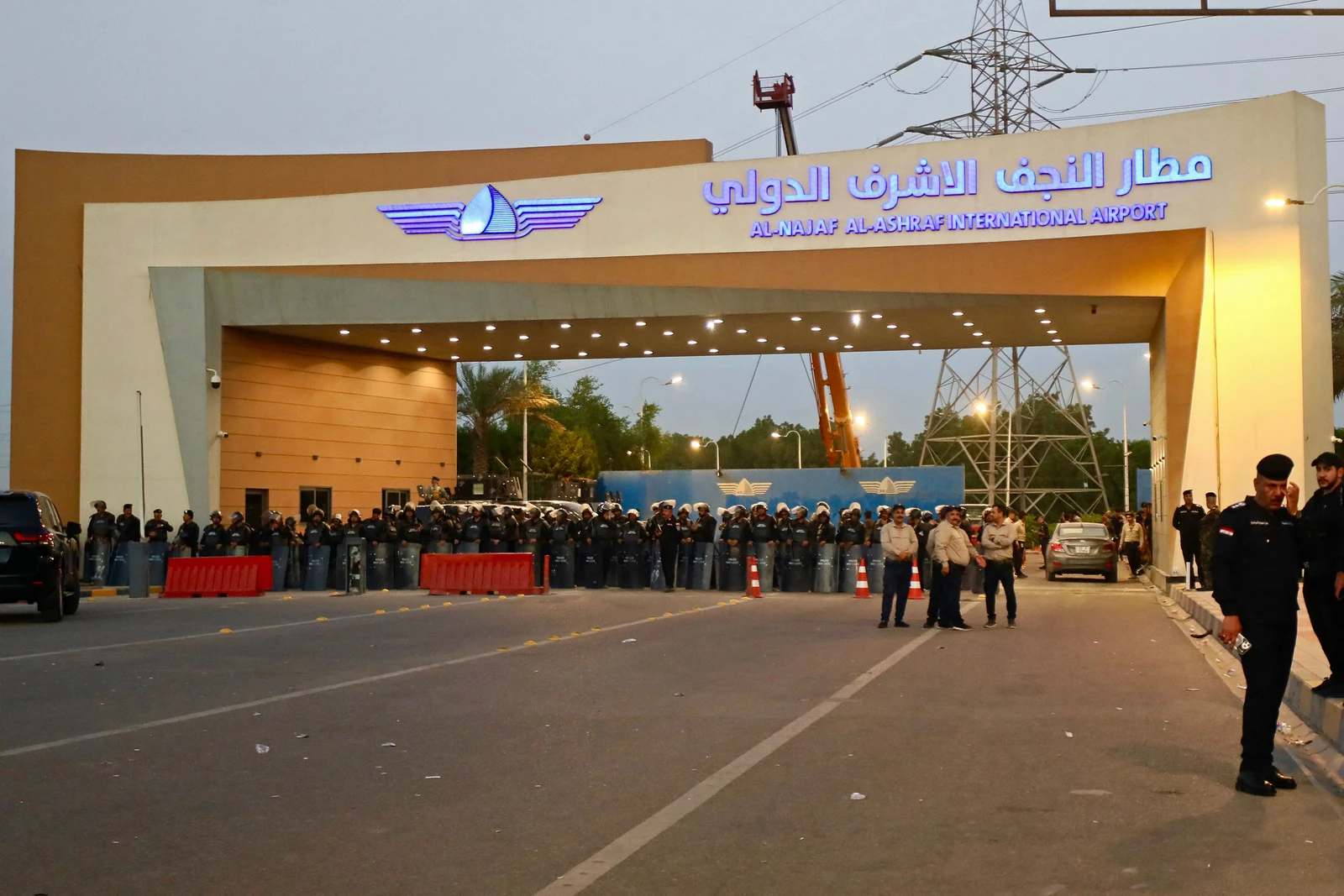
Landmarks in Pakistan’s capital, Islamabad and Saudi cities were illuminated in the colors of the Saudi, Turkish and Pakistani flags.
The three countries bring significant but differing capabilities to the arrangement. Pakistan has extensive military experience and is the Muslim world’s only nuclear-armed country; Saudi Arabia brings substantial economic resources and regional influence; and NATO member Turkiye has a large military and an increasingly sophisticated domestic defense industry.
In Islamabad, defense analysts cautioned against viewing the agreement as the equivalent of NATO, despite its collective-defense provision. Abdullah Khan, an Islamabad-based defense analyst, said that although the agreement was signed during a period of heightened regional tensions, it should not be interpreted as being directed against Iran or another country.
Pakistan and Saudi Arabia have maintained close military ties for decades and signed a separate mutual-defense agreement in September. Pakistan and Turkiye also have expanded military and defense-industrial cooperation in recent years