- Latest births follow over 40 in Q1, says wildlife body
- Natural reproduction shows success of habitat efforts
RAFHA: Three new Arabian gazelle births in the Al-Taysiyah area during the second quarter of 2026 demonstrate progress in wildlife conservation at the Imam Turki bin Abdullah Royal Nature Reserve, the Saudi Press Agency has reported.
The births were recorded by the Imam Turki bin Abdullah Royal Nature Reserve Development Authority under a program to restore endangered native wildlife, protect habitats and establish stable populations in their natural environment.
The latest births follow the recording of more than 40 in the reserve during the first quarter of 2026. The authority had said the high rate of natural reproduction indicated that habitat-management measures were effective.
Natural reproduction suggests that conservation efforts are progressing beyond managed breeding and care toward the establishment of self-sustaining populations in the wild.
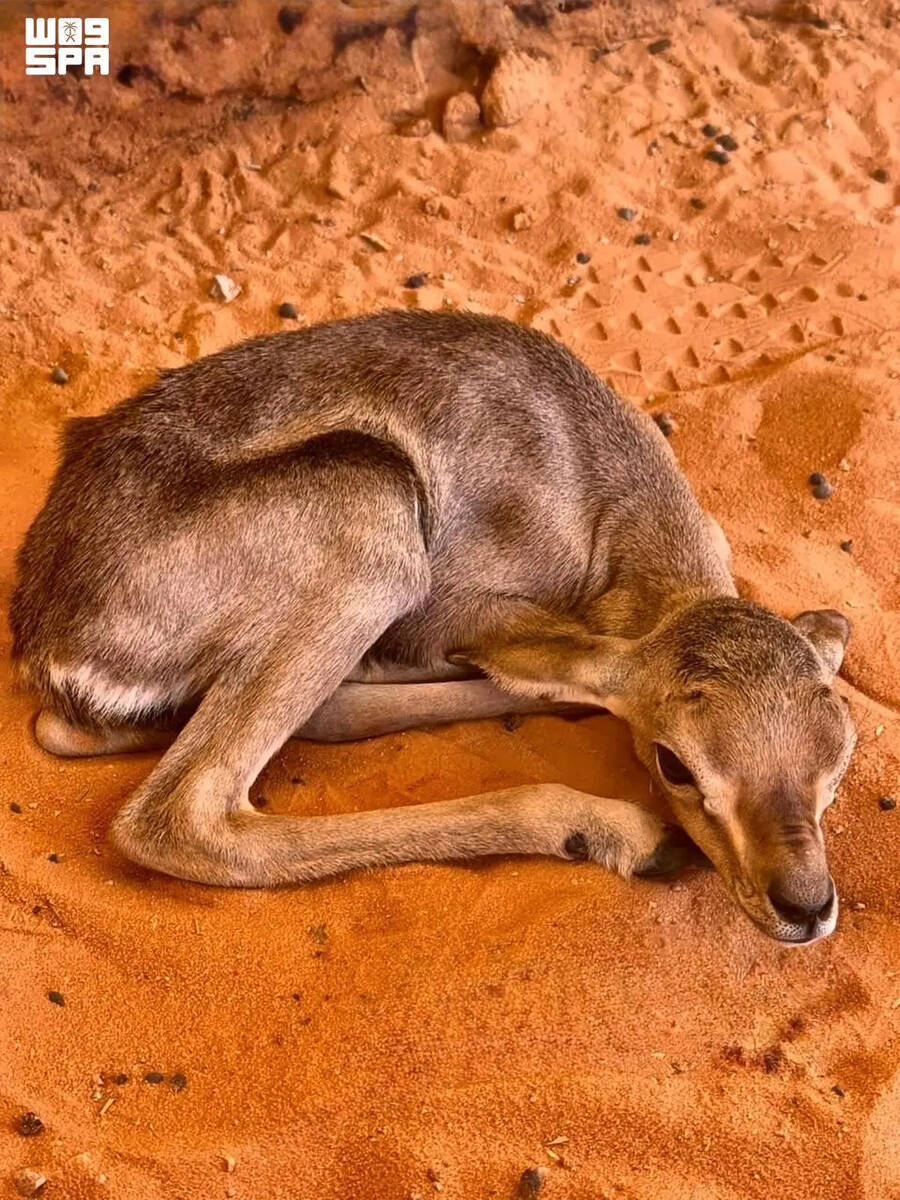
The reserve’s approach combines breeding and population development with habitat protection and preparation, followed by the eventual reintroduction of animals into suitable natural environments.
The strategy is designed to turn breeding programs from measures focused solely on species preservation into a pathway toward ecological restoration and long-term sustainability.
The gazelle is one of the Arabian Peninsula’s prominent native wildlife species. Its numbers declined over decades because of overhunting and environmental changes, prompting conservation and reintroduction programs aimed at restoring the species to its natural range.
Al-Taysiyah has become an important area for the reserve’s wildlife conservation programs, hosting initiatives aimed at breeding native species and developing their populations within their natural habitats.
The Imam Turki bin Abdullah Royal Reserve is Saudi Arabia’s second-largest terrestrial nature reserve, covering more than 91,500 sq. km across parts of the Northern Borders, Al-Jouf, Hail, Qassim and eastern regions.
Its diverse habitats, terrain and geological formations provide an environment for a wide range of wildlife and plant species.