- With the 60-day ceasefire framework expired and diplomacy stalled, Trump is betting that sanctions and a naval blockade can force Iran back to the negotiating table
- As the US prepares new sanctions, questions remained over whether economic pressure can force Tehran to compromise or deepen the hardship facing Iranians
LONDON: The 60-day memorandum of understanding agreed by Washington and Tehran officially expired on Monday, taking with it the fragile hope of a breakthrough in the Gulf and across the wider region.
The 14-point Islamabad Agreement, brokered by Pakistan and Qatar and signed by US President Donald Trump and Iranian President Masoud Pezeshkian on June 17, was never meant to end the war outright. It provided 60 days for negotiators to address the main disputes, including Iran’s nuclear program, the US naval blockade, sanctions and the reopening of the Strait of Hormuz.
The agreement also envisaged US sanctions relief, waivers for Iranian oil exports, access to frozen funds and the eventual removal of US forces from near Iran. It could be extended by mutual consent and was intended to form the basis of a final deal endorsed by the UN Security Council.
But with Iranian Foreign Minister Abbas Araghchi saying on Saturday that Tehran had “not yet made a decision to restart negotiations,” the diplomatic window appears to have closed without a breakthrough.
Trump has since threatened to revive his “maximum pressure” campaign and impose further sanctions on Iran’s maritime, energy and financial sectors.
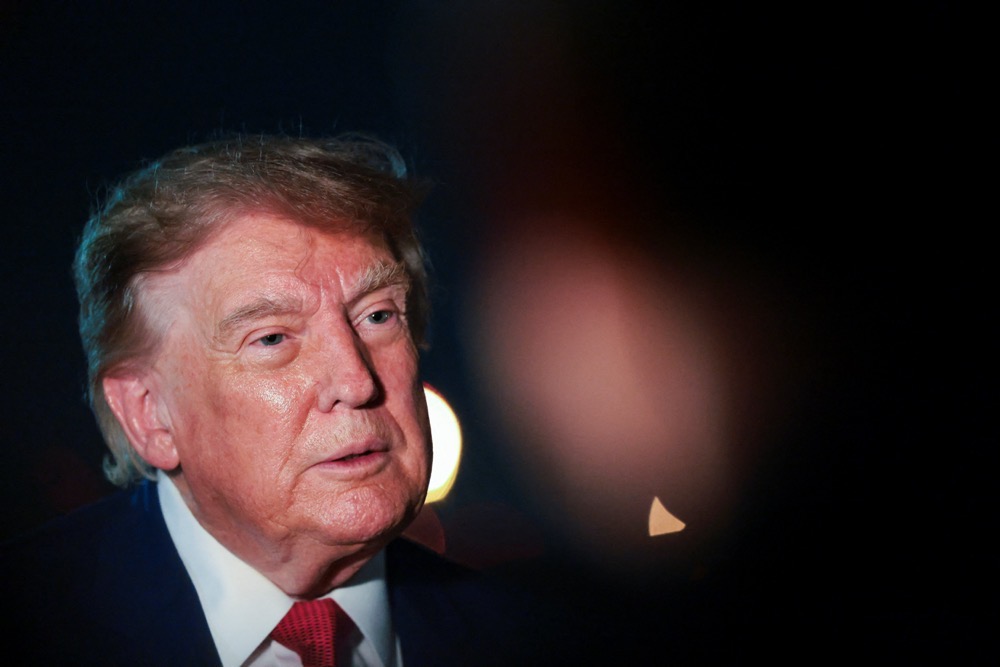
“Yeah, they can make trouble, but they’re broke,” Trump told reporters last week. “They have no money. You know, Iran is broke, totally broke. And, they’re not paying their soldiers. They have inflation of 300 percent” — a figure far above estimates from his own administration and the International Monetary Fund, which put Iranian inflation at about 69 percent this year.
The new wave of US measures is likely to focus around two pillars: further economic sanctions and a stricter naval blockade.
Officials are weighing further measures against Iran’s oil trade, maritime insurers and shipping companies, as well as banks, exchange houses, aviation and logistics networks that help Tehran move or repatriate funds.
Washington is also considering secondary sanctions and punitive tariffs against countries that continue buying Iranian oil, chiefly China, which the US Treasury said accounted for around 90 percent of Iran’s oil exports in 2025.
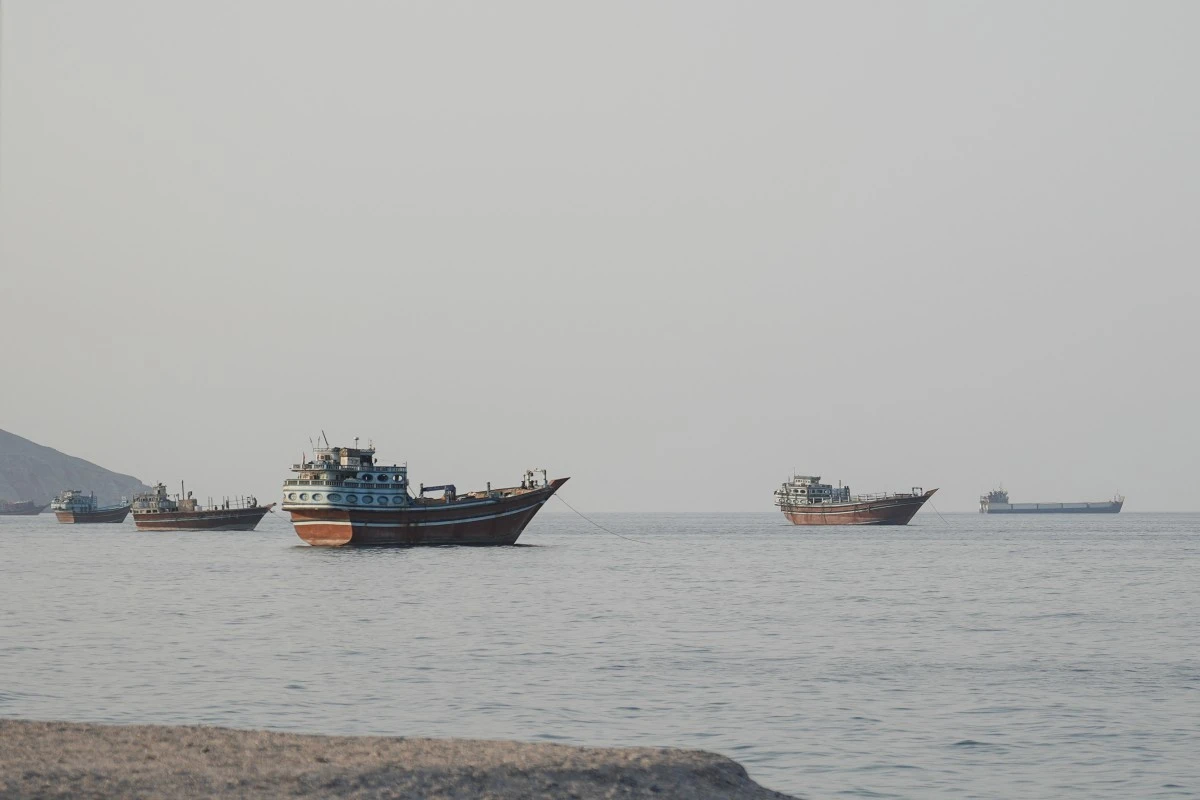
While ship-tracking firm Kpler said Iran’s oil exports had been practically zeroed after the US imposed naval blockades on its ports in July, it remains unclear how long that disruption will last. Chinese independent refineries, known as “teapots,” have largely avoided sanctions because of their limited exposure to the US financial system, experts say.
Recently passed legislation authored by the late Sen. Lindsey Graham would give Trump additional tools to target countries that continue trading with Iran, including through steep tariffs.
If implemented, these measures would follow a series of maritime, energy and financial sanctions Washington has levied since February, alongside a naval blockade of Iranian ports that has choked off most oil exports — which the Pentagon estimated had cost Iran around $4.8 billion in lost oil revenue as of May 1. Defense Secretary Pete Hegseth said the Navy can sustain the operation “indefinitely” by rotating ships in and out of the region.
According to the Treasury’s Office of Foreign Assets Control, the US has designated more than 1,000 people, vessels and aircraft tied to Iran’s oil trade, weapons procurement networks and financial system since February, part of what officials call “Operation Economic Fury.”
Additional recent measures have targeted Iran’s shadow oil fleet, shipping insurers, entities and people enabling Iran’s acquisition of weapons, and digital exchanges, freezing an estimated $500 billion in Iran-linked cryptocurrency.
The US has sanctioned Iran since 1979, initially over the hostage crisis and later over Tehran’s alleged support for terrorism and pursuit of weapons of mass destruction. The measures expanded in the mid-1990s to cover bilateral trade, foreign investment in Iran’s oil and gas sector, and companies in third countries — helping establish the model of “secondary” sanctions.
The 2015 nuclear deal temporarily suspended most of those measures, but Trump reinstated and expanded them during his first term, a policy largely maintained by Biden.
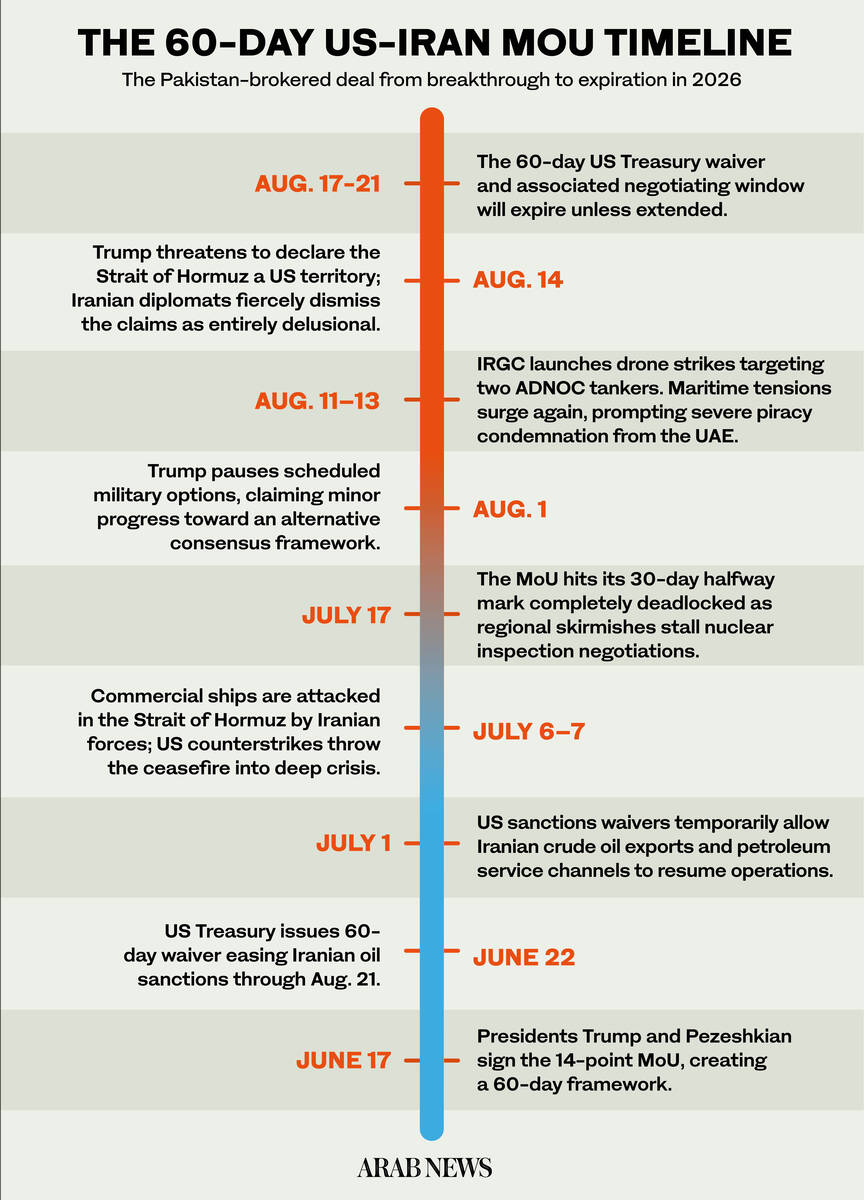
The 2018 sanctions targeted Iran’s financial system, energy sector, shipping and shipbuilding industries, and institutions dealing with its central bank. They contributed to a 4.8 percent contraction in GDP that year, pushed unemployment to 16.8 percent in 2019 and cut oil exports from around 2.3 million barrels per day to roughly 1 million bpd by April 2019, slashing billions from government revenue.
Trump has framed the latest pressure campaign as a change of pace, rather than a retreat. “We are low-keying it,” he told Axios, saying Washington was “only semi-negotiating” with Tehran while watching Iran’s inflation and financial distress. The strategy is based on the hope that sustained economic pressure will eventually force concessions Tehran has so far resisted.
Yet not everyone in Washington’s own orbit is convinced sanctions can finish the job. Kerri Bitsoff, a former Treasury official who worked at the Office of Foreign Assets Control, told Iran International on Monday that sanctions can raise the cost of Iran’s military, nuclear and proxy activities but cannot bring down the Islamic Republic on their own. “That’s not what they’re for,” she said. “They are intended to increase pressure.”
But while the stated goal is to weaken the regime, a 2025 study in the European Journal of Political Economy found that sanctions imposed since 2012 had eroded Iran’s middle class, leaving more people on low incomes while a small elite prospered.
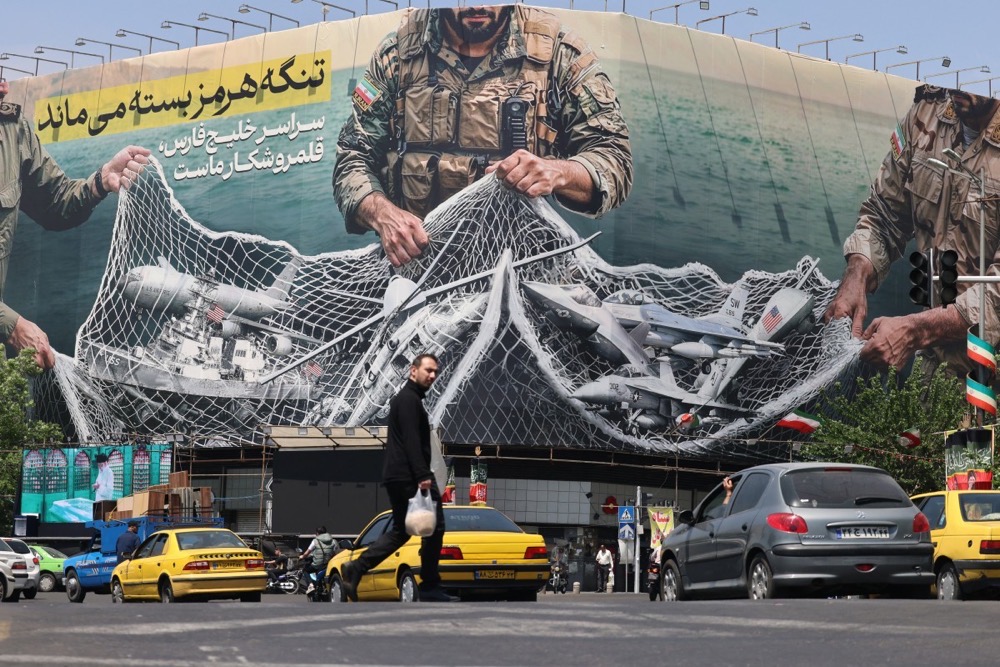
“It seems the Americans and the Iranians have finally met their match. Both parties are playing for time now,” Nadim Shehadi, an economist and political adviser, told Arab News. “Overall, the major change brought about by the conflict is not in Iran’s favor because the war is now in its territory.”
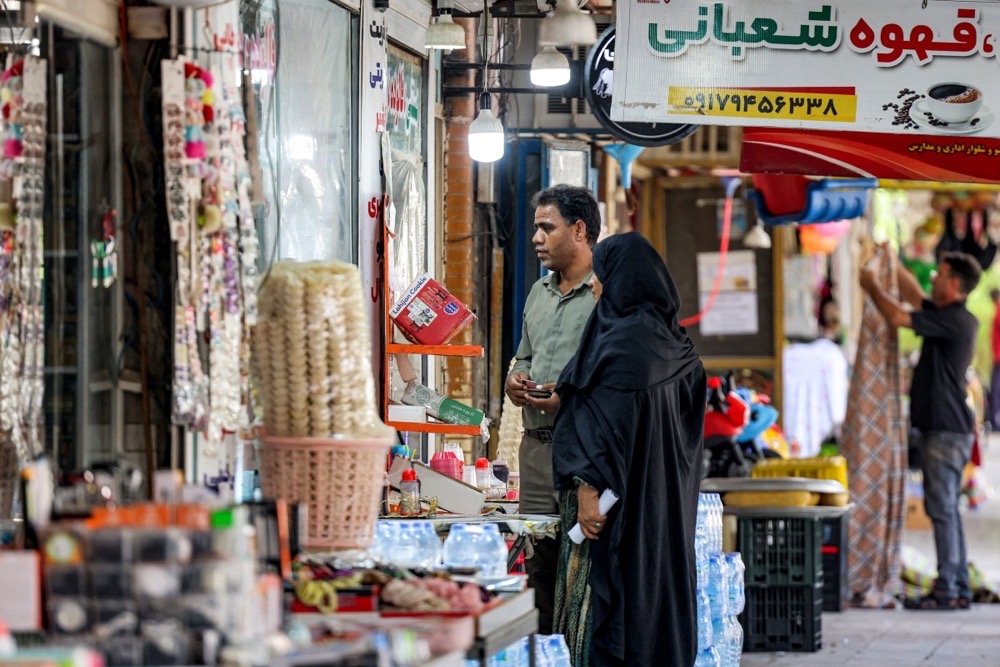
The pressure, in any case, is real. Iran’s economy has been in prolonged free fall, with the IMF projecting in April a 6.1 percent contraction this year and inflation approaching 69 percent. Iran’s Central Bank and statistical center have reported even higher figures at various points, with year-on-year inflation touching nearly 89 percent by June and food prices rising even faster.
According to reports, chicken prices are up 190 percent from a year earlier and milk up 150 percent. The rial has fallen to around 1.8 million to the dollar on the parallel market, while authorities have introduced the country’s largest-ever banknote as inflation erodes purchasing power.
Against that backdrop, Treasury Secretary Scott Bessent has promised the next phase will bring measures “like have never been seen in the history of economic isolation on a country,” describing it as a “one-two punch” alongside the continued blockade. The stated goal, officials said, is nothing short of full economic isolation.
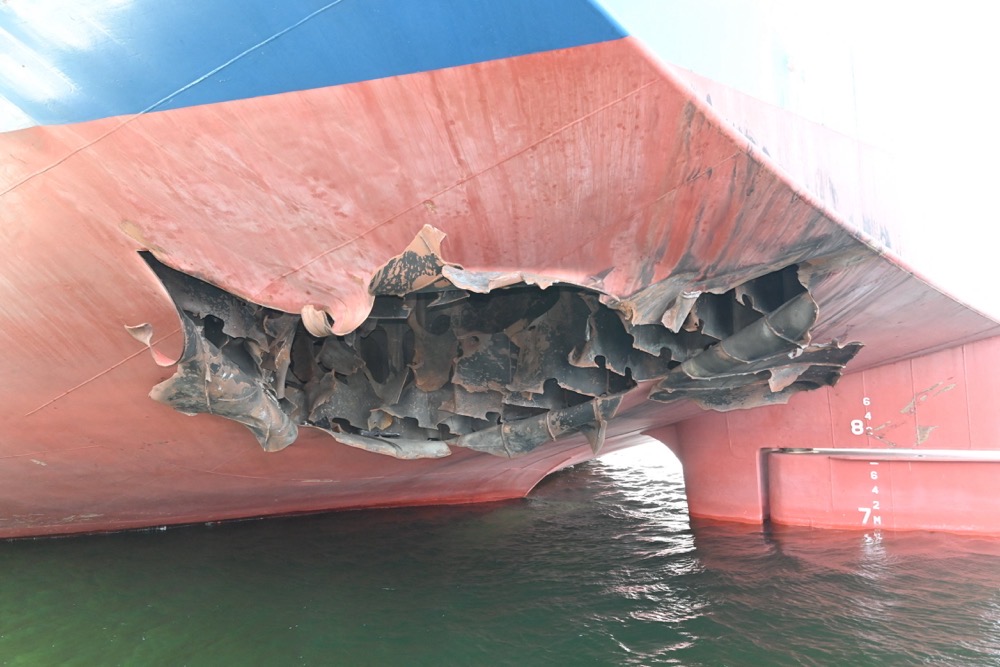
More striking is the idea, reported by Reuters, of extending the pressure onto land and restricting Iran’s overland trade with neighbors including Turkiye, Iraq, Pakistan and the Central Asian states.
Experts say such a blockade would be extremely difficult to enforce and sustain, requiring cooperation from governments with competing interests and creating serious legal and political risks.
Naval blockades are more established under international law, provided they are declared, enforced impartially and do not deliberately target civilians — conditions Washington says its operation meets.
While it remains unclear whether diplomacy can revive the Islamabad agreement, its expiry has given both sides fresh grounds to harden their positions.
For Trump, the end of the 60-day window offers an opportunity to argue that Iran squandered a diplomatic opening and to intensify economic pressure. For Tehran, it reinforces the view that the agreement was intended to manage the conflict rather than resolve it.
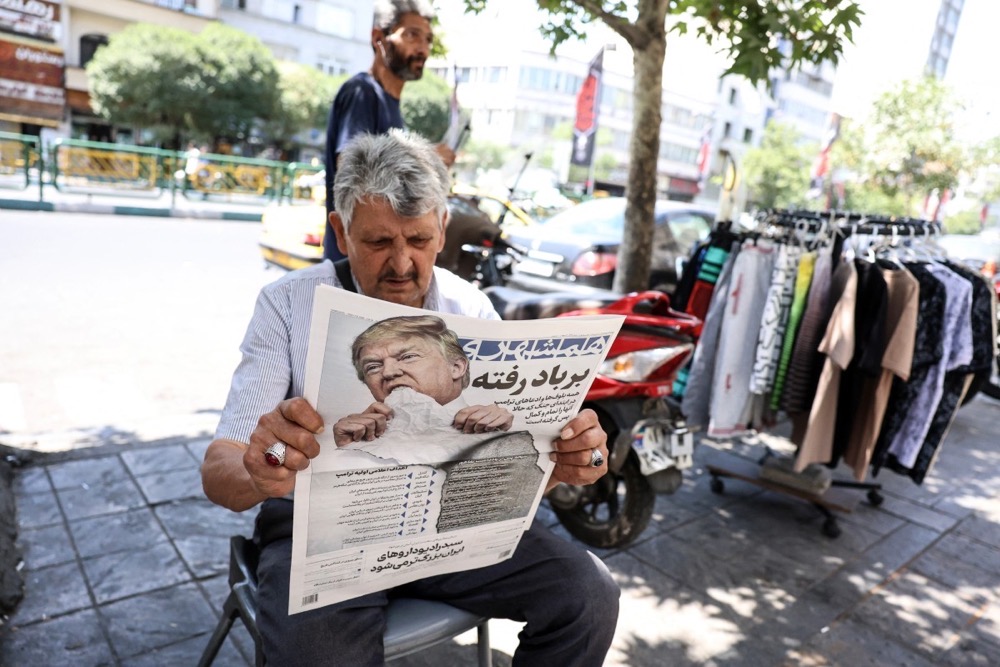
The standoff has produced no clear winner. Iranian officials continue to demand an end to the naval blockade, the lifting of sanctions and the release of frozen assets before agreeing to meaningful de-escalation.
Foreign Ministry spokesperson Esmail Baghaei called Washington’s reliance on sanctions a “habit” and an “addiction,” arguing that decades of pressure have failed to force Iran into submission and could now make diplomacy more difficult.
With no extension announced, the economic front looks set to shape the next phase of the confrontation.