- Priority is to lower tensions, US envoy says
- Syria and Israel have held deescalation discussions
GENEVA: The United States is working to establish a deconfliction mechanism among Israel, Turkiye and Syria, US special envoy for Syria Tom Barrack said on Tuesday after Israel struck a Syrian air base near the Turkish border.
Barrack, who is also US ambassador to Turkiye, said Turkiye had not been warned about the Israeli strikes, “and consequently observed the aircraft heading north toward its territory and therefore could have reasonably prepared its own response,” referring to possible Turkish military reaction.
“Thankfully, calm heads were able to prevent the situation from deteriorating further,” Barrack told Reuters in a phone interview.
Turkiye condemned Israel’s strikes on the Abu Al-Dahur air base in northwestern Syria but did not comment further, including about a potential deconfliction mechanism.
A deconfliction mechanism is a communications channel intended to prevent misunderstandings or accidental confrontations between military or political actors.
Tensions have grown between Israel and Turkiye, both of which border Syria, and their rhetoric over Syria has sharpened.
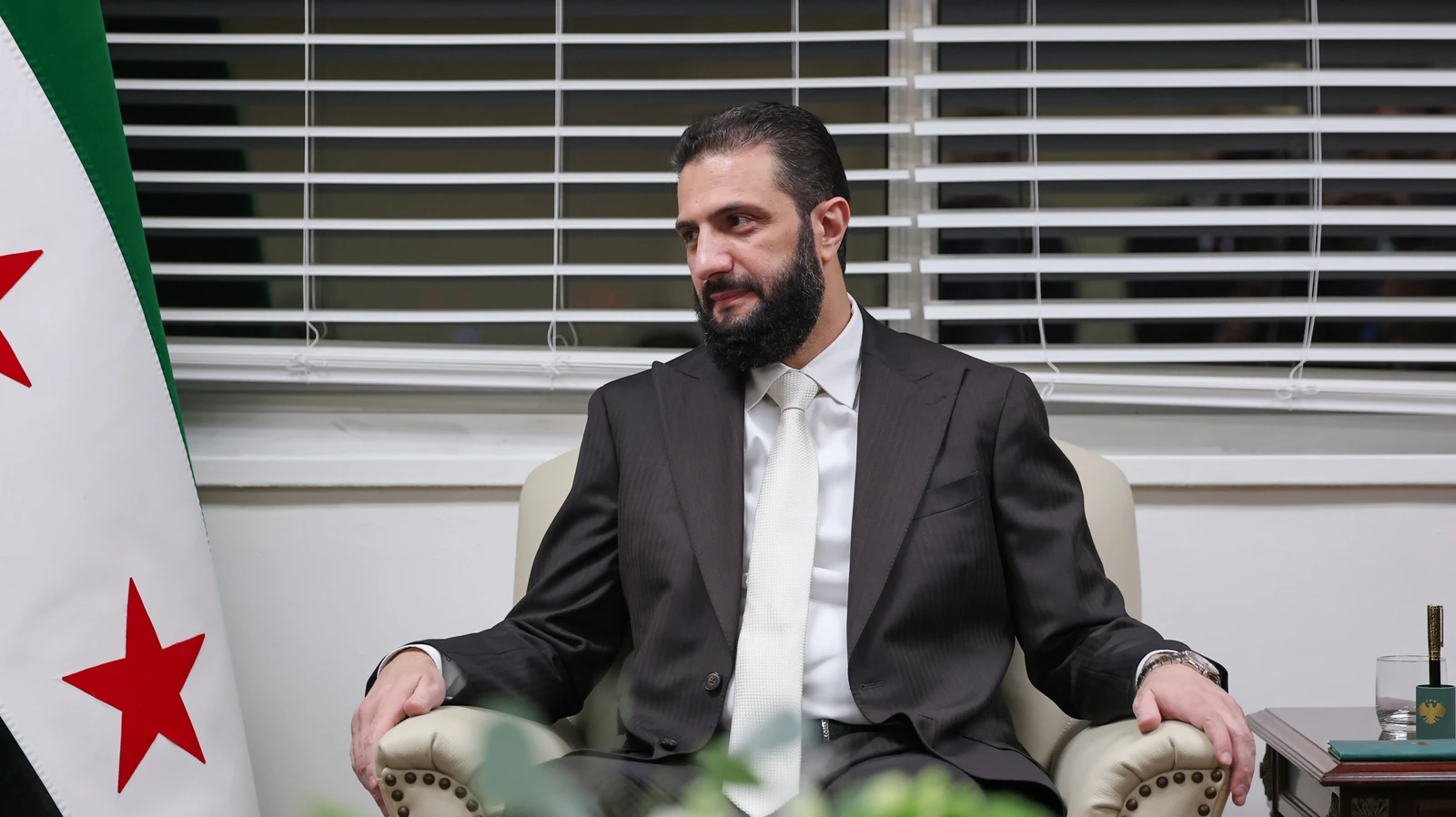
Turkiye, which has NATO’s second-largest army and signed a mutual defense pact this month with Pakistan and Saudi Arabia, has become one of Syrian President Ahmed Al-Sharaa’s main allies.
Ankara has been training Syria’s army, helping it rebuild state institutions and infrastructure and providing military and diplomatic support.
Israel’s strikes on the Syrian air base “reflected a perception — whether accurate or misplaced — that Türkiye might in the near future increase its presence at that base,” Barrack said, using the Turkish name for Turkiye.
“This underscores the need for a deconfliction mechanism involving Israel, Syria and Türkiye. That is something we are actively working on to establish in order to prevent future miscommunication,” he said. “The priority now is to lower tensions and allow space for a more measured approach.”
The air base, about 70 km (43.5 miles) east of the Turkish border, has been out of service as a dedicated military airfield since 2013 and changed hands several times during Syria’s 14-year civil war between forces loyal to former President Bashar Assad and opposition factions.
Syria’s state-run Ekhbariya television, citing a military source, said on Tuesday that Israel carried out eight airstrikes on the base’s runway and storage facilities. A separate military source and a civilian who lives near the base said there were no casualties.
The Israeli military declined to comment on the strikes.
Israel has for years struck targets in Syria to curb what it says is Iranian influence and to prevent weapons from reaching Hezbollah in Lebanon.
Since Assad’s overthrow in 2024, it has also viewed Syria’s new rulers with suspicion and continued military operations in the country, most recently attacking government sites in southern and central Syria in March.
’Kinetic means of communication’
Syria and Israel have held several rounds of de-escalation and border discussions since rebel forces under Syrian President Ahmed Al-Sharaa’s command toppled Assad, but no agreement has been reached.
“An incident of the kind that occurred this morning demonstrates the need to intensify these efforts and expand the process,” Barrack said.
The envoy said the US already facilitates an information-sharing and dialogue mechanism among the parties.
“What is required is a more robust architecture with greater resources committed to it. Investing in such mechanisms is far less costly than relying on kinetic means of communication that can run into the hundreds of millions of dollars,” he said, referring to military force.