CAIRO: Directors of Egypt’s first Oscar-nominated film will be walking the red carpet at the Oscars ceremony next week in Los Angeles, but most Egyptians have yet to see the hard-hitting movie that chronicles the country’s unrest over the past three years.
Far from being widely celebrated in Egypt, the film has not been shown at Egyptian film festivals or theaters after running into problems with censorship authorities. The filmmakers still hope to get approval for wider distribution.
“The Square,” named for Tahrir, or Liberty Square, is built around the geographic focal point of the uprising, where millions of Egyptians gathered to protest Hosni Mubarak’s regime and now-deposed President Muhammad Mursi. It recounts the country’s recent turmoil, beginning when Mubarak stepped down in 2011 through August 2013, right before security forces stormed two protest camps of Mursi supporters, killing hundreds.
The filmmakers tell the story through the eyes of three protesters hailing from different backgrounds.
The self-described revolutionaries are Ahmed Hassan, a streetwise idealist; Khalid Abdalla, a British-Egyptian Hollywood actor raised abroad by his exiled activist father; and Magdy Ashour, a member of Mursi’s group, the Muslim Brotherhood, which has been outlawed and labeled a terrorist organization by the government.
The movie follows their ideological trajectories, from hope and exuberance to disappointment and disillusion.
Ashour grows apart from the Brotherhood. He goes to protest in the square even after the group has prohibited members from demonstrating because, he says, the demands of the revolution have still not been met by the country’s interim leaders.
Abdalla struggles to convince his exiled father that his activism will bear fruit, and Hassan suffers a head injury while throwing rocks at security forces and falls into a depression.
“The good and free people are being called agents and traitors, and the agents and traitors are being called heroes,” Hassan narrates over scenes of ambulances carrying away wounded protesters.
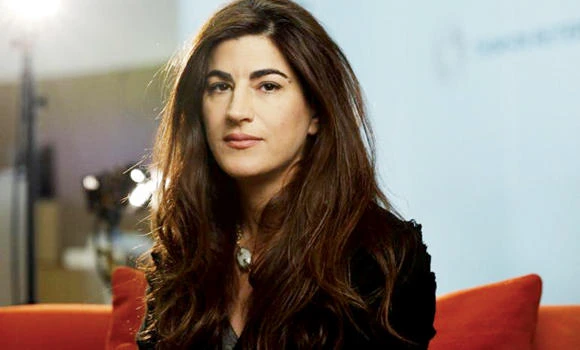
The film’s director, Jehane Noujaim, who grew up in Egypt, said she wanted to tell the story in a way that would let viewers in 50 or 100 years feel “that energy and that spirit of being in the square.”
The footage includes graphic images of bloodied bodies during violence.
At one point, a protester kneels on the sidewalk, weeping, with the blood of comrades on his hands.
Egypt Oscar-nominated film not shown at home