
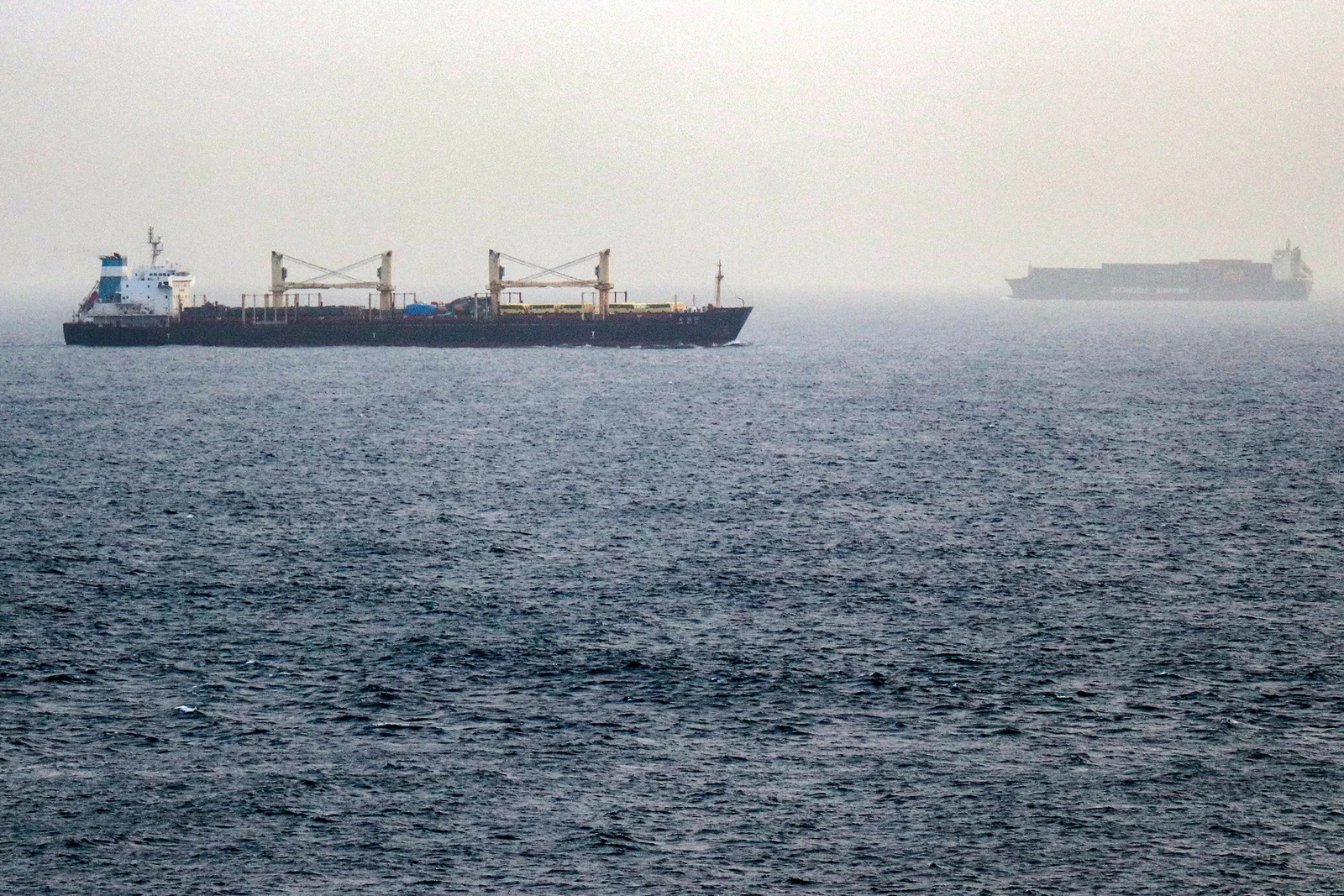

Energy traders have long had a recurring nightmare. It starts with a narrow strait between Iran and Oman, through which about a fifth of the world’s oil normally passes, and ends with tankers anchored, insurers raising their rates and the price of a barrel heading north. This year, the nightmare came true. The Strait of Hormuz is largely closed, Brent is above $110 a barrel and the old question has changed. It is no longer whether Gulf oil will be disrupted but how much of it can still get out.
A surprisingly large part of the answer runs across the desert. Saudi Arabia’s East-West Pipeline, expanded after a drone attack on the Abqaiq processing facility in 2019, carries crude from the eastern oilfields to Yanbu on the Red Sea. That makes the Kingdom the only big Gulf producer able to send oil to market without going near the Strait of Hormuz. It also makes the Red Sea, and the Bab Al-Mandab Strait at its southern tip, the world’s most important waterway. It is no coincidence that this is where the Houthis, an Iran-backed militia in Yemen, have chosen to fire.
The law has a clear view on this. The UN Convention on the Law of the Sea, which Saudi Arabia ratified in 1996, gives every ship a right of “transit passage” through straits used for international navigation. Coastal states may not suspend it, still less fire on it. The principle predates the convention: in the Corfu Channel case of 1949, the International Court of Justice ruled that international straits may not be closed to peaceful shipping. Iran, which has signed the UN Convention on the Law of the Sea but never ratified it, has long argued that transit passage binds only states that are party to it. Few lawyers outside Tehran find that convincing and a militia firing from the Yemeni coast cannot rely on it at all. It has no legal claim to the strait.
With the Strait of Hormuz closed, a barrel loaded at Yanbu is worth considerably more than one waiting in the Gulf
Dr. Bashayer Al-Majed
The UN Security Council agrees. In 2024, its Resolution 2722 condemned Houthi attacks on commercial shipping and affirmed the right of states to defend their vessels. An earlier resolution, 2216, recognized Yemen’s legitimate government and imposed an arms embargo on the Houthi leadership. Taken together, these make the Saudi-backed counteroffensive near Bab Al-Mandab this month less an escalation than an act of enforcement: the kind of policing that a rules-based order requires and that rule-based states are usually reluctant to carry out.
Markets understood this before commentators did. With the Strait of Hormuz closed, a barrel loaded at Yanbu is worth considerably more than one waiting in the Gulf. When France went looking for diesel this month, it found it in Riyadh. Saudi Arabia’s spare capacity, its pipeline and its Red Sea ports make it, in effect, the world energy system’s insurer of last resort. It is a lucrative role. With oil above $100, the windfall erases the deficit that worried bond investors last year. More importantly, it vindicates infrastructure spending that skeptics called extravagant. Strategic redundancy looks like waste only until it is needed.
The Kingdom has also been preparing diplomatically. In 2020, it led the founding of the Council of Arab and African States Bordering the Red Sea and Gulf of Aden, which brings together the coastal states on both sides. At the time, few outside the region noticed. It now looks like the obvious forum for coordinating what the Red Sea needs: information sharing, port protection and prosecution of those who attack ships.
The Red Sea became dangerous when a militia decided that commercial ships were legitimate targets
Dr. Bashayer Al-Majed
The legal tools are already available. The 1988 Suppression of Unlawful Acts Convention makes violence against shipping an international crime and its 2005 protocol covers the transport of weapons used for such attacks — a description that fits the Houthis’ foreign suppliers neatly. What has been missing is a coastal power with the capability and the will to enforce it.
Critics will argue that the Red Sea became dangerous because of Yemen’s war and that Saudi Arabia shares the blame. That has the order of events wrong. The Red Sea became dangerous when a militia, armed in breach of a UN embargo, decided that commercial ships were legitimate targets. Every relevant instrument of international law, from Corfu Channel to Resolution 2722, says they are not. Riyadh is defending that principle against those who break it.
For the Gulf’s other producers, including Kuwait, the lesson is uncomfortable but clear. With the Strait of Hormuz shut, their access to world markets depends on routes that only Saudi Arabia can offer. That calls for a diplomacy that backs Saudi efforts at Bab Al-Mandab, presses the UNSC to enforce its own embargo and considers long-term arrangements to share access to the Kingdom’s westward pipelines. Neighbors that once competed with Riyadh may find they now depend on it.
The Strait of Hormuz showed how fragile the world’s energy system is. The Red Sea is showing who holds it together. One strait has closed, Saudi Arabia is making sure the other stays open. Traders who have spent decades fearing a nightmare have discovered that it came with an alternative route.
Dr. Bashayer Al-Majed is a professor of law at Kuwait University, and a visiting fellow at Oxford. X: @BashayerAlMajed


