DAMMAM: There appears to be lack of coordination between the Ministry of Transport and the Traffic Department on Saudis using personal cars as taxis.
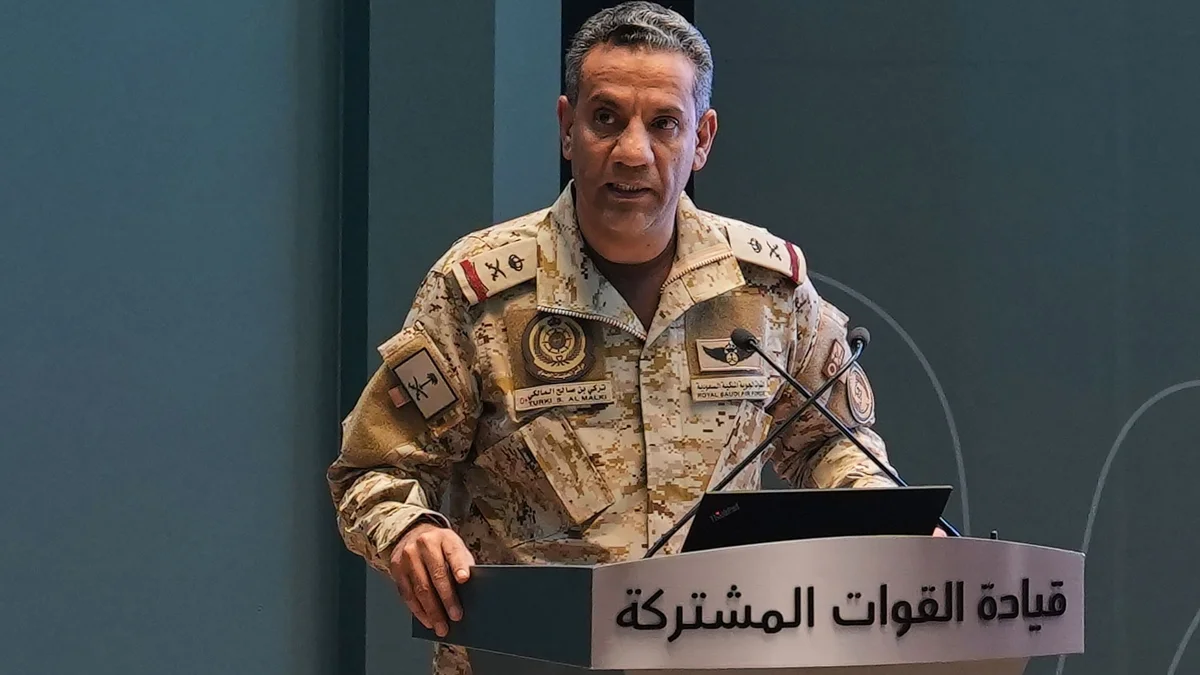
The Traffic Department considers it a violation if people use their personal cars for ferrying passengers, said Traffic Department spokesman Col. Tariq Al-Rubaiaan.
“Transport operations by organizations like Uber and Careem are a violation because they charge a fee from drivers who use their personal cars to transport passengers,” he said. The Ministry of Transport, on the other hand, allows citizens to use their personal cars for such entities, saying that such apps help close the gap between supply and demand.
Companies working through such apps must be linked to the electronic platform, Wasil, which permits the Ministry of Transport and security agencies to identify the driver, monitor the vehicle’s movement and obtain information about the vehicle and trip.
Al-Rubaiaan said that 51,532 tickets have been issued to drivers transporting passengers illegally throughout the Kingdom during the months of Rajab and Shaaban this year. Experts in the public transportation sector in Jeddah said that the recent move by the ministry has four advantages — jobs for Saudi youths, reduction in traffic, regulation of the sector and keeping a check on violating companies.
Despite the land transport sector in the Kingdom being valued at SR83 billion, the Saudization rate is still as low as 30 percent, they said.
Amer Bamisfir, spokesman for the Department of Roads and Transportation in the Makkah region, said 11 companies, including Careem and Uber, have been licensed to operate their transportation apps, noting that this will help reduce traffic and reliance on expats. Saeed Al-Basami, vice president of the committee of transport at the Jeddah Chamber of Commerce and Industry, said organization of the transport sector and provision of opportunities for Saudi youths to work with their own private cars, in accordance with the regulations, will help create new jobs and push violating drivers out of the market.
Fares Al-Fadel, director of operations of Uber in Saudi Arabia, welcomed the ministry’s decision. “During the past six months, 1,000 Saudi drivers joined the Uber platform, thus indicating new opportunities that the company provides, and we are seeing numbers grow fast,” he said. “Our goal is to have 100,000 Saudi drivers join the company in the next five years.”
Hatem Al-Kahli, director of Careem in the Eastern Province, said the ministry’s decision will help increase the Saudization rate in the sector. He said the company has signed an agreement with the ministry permitting those with special needs to request services through the app, and 25 equipped vehicles will be launched for such customers.
The Traffic Department considers it a violation if people use their personal cars for ferrying passengers, said Traffic Department spokesman Col. Tariq Al-Rubaiaan.
“Transport operations by organizations like Uber and Careem are a violation because they charge a fee from drivers who use their personal cars to transport passengers,” he said. The Ministry of Transport, on the other hand, allows citizens to use their personal cars for such entities, saying that such apps help close the gap between supply and demand.
Companies working through such apps must be linked to the electronic platform, Wasil, which permits the Ministry of Transport and security agencies to identify the driver, monitor the vehicle’s movement and obtain information about the vehicle and trip.
Al-Rubaiaan said that 51,532 tickets have been issued to drivers transporting passengers illegally throughout the Kingdom during the months of Rajab and Shaaban this year. Experts in the public transportation sector in Jeddah said that the recent move by the ministry has four advantages — jobs for Saudi youths, reduction in traffic, regulation of the sector and keeping a check on violating companies.
Despite the land transport sector in the Kingdom being valued at SR83 billion, the Saudization rate is still as low as 30 percent, they said.
Amer Bamisfir, spokesman for the Department of Roads and Transportation in the Makkah region, said 11 companies, including Careem and Uber, have been licensed to operate their transportation apps, noting that this will help reduce traffic and reliance on expats. Saeed Al-Basami, vice president of the committee of transport at the Jeddah Chamber of Commerce and Industry, said organization of the transport sector and provision of opportunities for Saudi youths to work with their own private cars, in accordance with the regulations, will help create new jobs and push violating drivers out of the market.
Fares Al-Fadel, director of operations of Uber in Saudi Arabia, welcomed the ministry’s decision. “During the past six months, 1,000 Saudi drivers joined the Uber platform, thus indicating new opportunities that the company provides, and we are seeing numbers grow fast,” he said. “Our goal is to have 100,000 Saudi drivers join the company in the next five years.”
Hatem Al-Kahli, director of Careem in the Eastern Province, said the ministry’s decision will help increase the Saudization rate in the sector. He said the company has signed an agreement with the ministry permitting those with special needs to request services through the app, and 25 equipped vehicles will be launched for such customers.