- Mexico, Serbia, Bosnia and Herzegovina and North Macedonia are now eligible for instant tourist e-Visas and visas on arrival
RIYADH: Diplomats of Mexico, Serbia, Bosnia and Herzegovina, and North Macedonia celebrated a major milestone as Saudi Arabia’s Ministry of Foreign Affairs and Ministry of Tourism jointly announced that nationals from all four countries are now eligible for instant tourist e-Visas and visas on arrival.
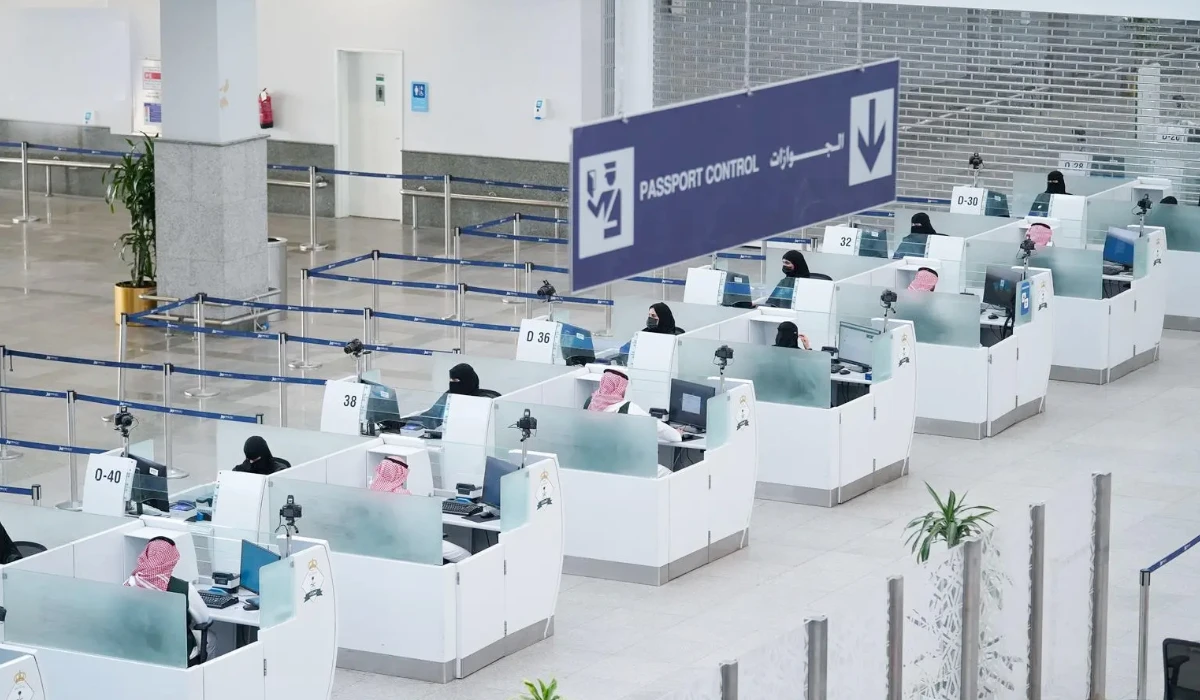
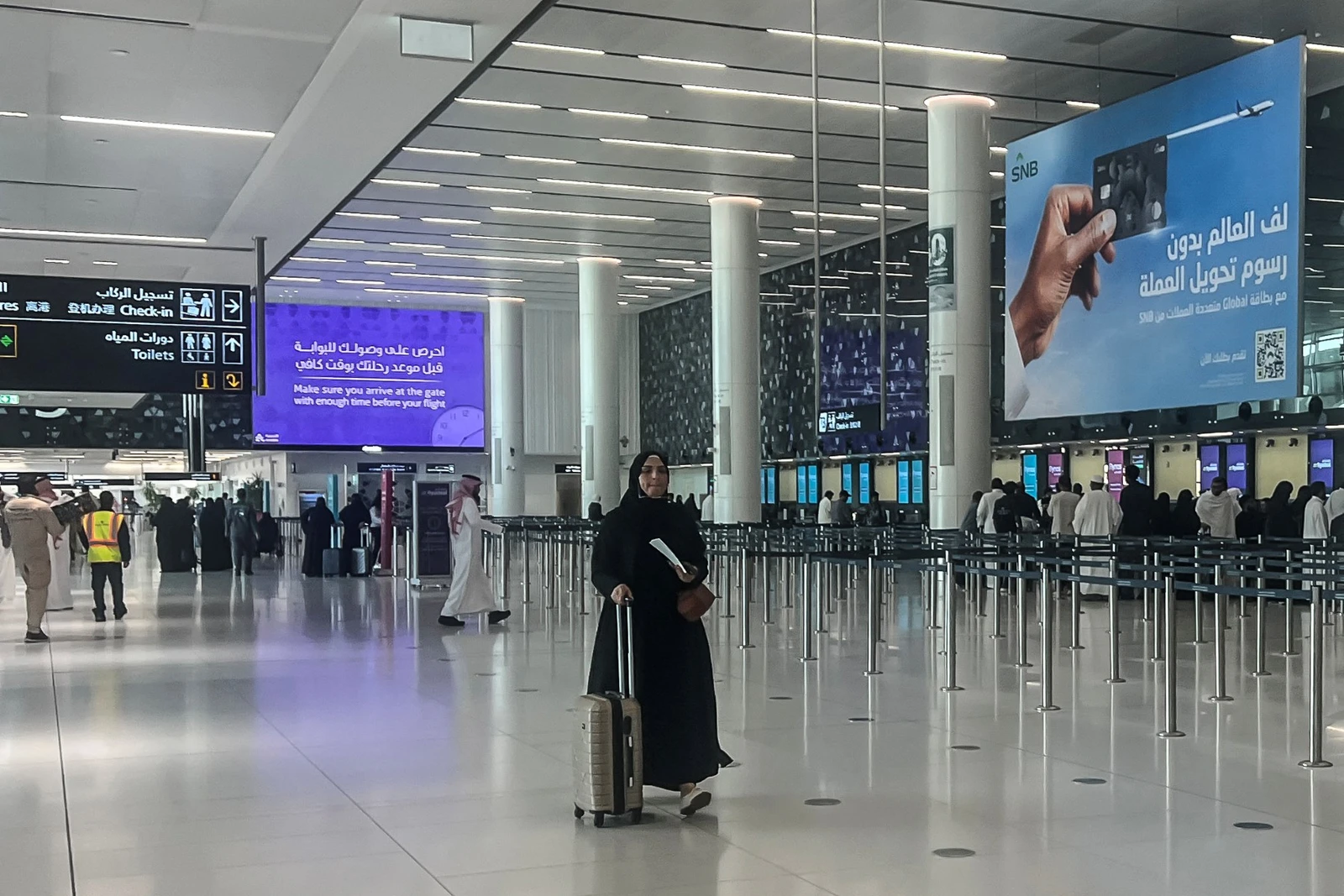
Citizens of Mexico alongside Serbia, North Macedonia, and Bosnia and Herzegovina can now skip the embassy application process entirely and apply for a multiple-entry tourist e-Visa online or obtain a visa on arrival directly at any Saudi port of entry using their national passports.
The visit visa allows citizens of the four countries to perform Umrah, attend events, exhibitions, and conferences, and visit family and friends residing in the Kingdom.
“For Mexico, it opens a sophisticated outbound destination for tourists, pilgrims, professionals, and students, while strengthening ties with the Mexican diaspora in the Gulf region,” Guillermo Gutiérrez, Chargé d'Affaires of Mexico to Saudi Arabia told Arab News.
“The diplomatic value of this decision is both symbolic and practical; enhanced mobility historically serves as a catalyst for deeper cooperation across trade, investment, education, culture, aviation, and technology,” he added.
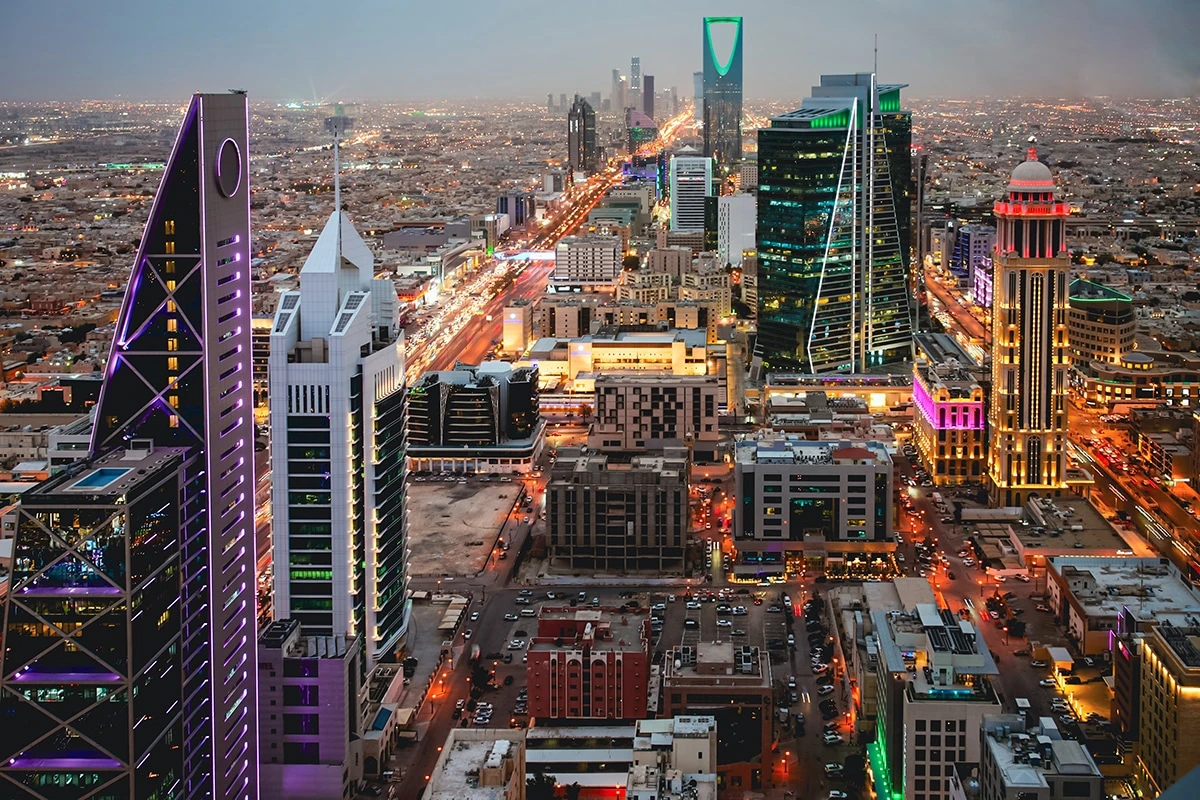
“Mexican visitors experiencing Riyadh, Jeddah, or AlUla firsthand are uniquely positioned to serve as informal cultural ambassadors upon their return,” Gutiérrez shared.
“For bilateral relations, this measure signals that the Kingdom of Saudi Arabia views the United States of Mexican States as an integral partner within its expanding global tourism and cultural-engagement framework, moving beyond the traditional view of Mexico as a distant regional market,” he added.
The charge de affairs explained that by facilitating electronic visa applications and visas on arrival for Mexican citizens, Riyadh has “dismantled a primary administrative barrier, significantly enhancing ease of travel and fostering direct people-to-people contact”.
“This initiative aligns seamlessly with Saudi Arabia’s Vision 2030, which seeks to diversify the national economy and position the Kingdom as a premier global hub for heritage, leisure, religious tourism, and international conventions,” Gutiérrez said.
“Visa expansion turns abstract bilateral relations into human encounters. Instead of relying only on official delegations or business missions, ordinary Mexicans can now visit Saudi Arabia for a holiday, an exhibition, a conference, Umrah, or to see relatives and friends,” he added.
“People-to-people cooperation grows through repeated personal encounters: experiencing Saudi history, landscapes, cuisine, hospitality, and urban life firsthand, and connecting entrepreneurs, academics, artists, and professionals with their Saudi counterparts,”
When asked how citizens of Mexico view the Kingdom he highlighted:
“While traditional perceptions in Mexico often associate Saudi Arabia primarily with energy markets, Islamic heritage, and its foundational role in the Gulf region, a shift is underway,” he underlined.
“Younger and internationally engaged demographics in Mexico are increasingly cognizant of the Kingdom’s socio-economic modernization, significant cultural investments, and active role in global diplomacy and energy transition dialogues,” Gutiérrez explained. “The revised visa policy acts as a strategic catalyst for perception alignment through firsthand experience.”
Gutiérrez explained that visitors anticipating a traditional oil-exporting economy will instead encounter a society undergoing a “profound transformation, characterized by world-class museums, preserved heritage sites, sustainable Red Sea tourism developments, contemporary art movements, and visionary urban projects.”
Speaking to Arab News, Dragan Bisenic, Ambassador of Serbia to Saudi Arabia celebrated the new announcement:
“Serbia welcomes and highly appreciates the approval of e-tourist visas for citizens of Serbia as another gesture that significantly improves relations between Serbia and Saudi Arabia and strengthens the foundations for even closer cooperation and mutual acquaintance of our citizens,” Bisenic stated.
“This is a continuation of moves and measures that both countries are making in that direction,” he added.
“Our citizens who want to perform Umrah will now be able to do so in a much simpler way,” Bisenic stated. “All other categories of people will also be able to speed up and simplify their journeys.”
“Saudi Arabia is the country where the cradle of Islamic civilization is located, which is a very significant part of the overall wealth of human civilization and is therefore an indispensable place for understanding the history of mankind,” Bisenic explained.
“This step has an even wider meaning because it opens opportunities for all citizens of Serbia to participate in knowing and understanding the Saudi spiritual, historical and cultural wealth and as part of the universal human heritage,” the envoy said.
The ambassador added that a few weeks ago, the Agreement on the abolition of visas for holders of diplomatic, official and special passports of the two countries was signed, which facilitates communication between the two countries at the official level. As a result of the announcements, the ambassador explained that the visa facilities have been significantly expanded.
The new visa announcement does come with regulations. The Ministry of Tourism notes that visitors must adhere to the duration specified in the visa in order to avoid penalties, and visa renewal is not available until after its validity expires. If the visa is a multiple-entry type, the stay duration is calculated deductively or cumulatively.
Additionally, a visit visa does not permit working for compensation, and although it allows performing Umrah, it does not allow visa holders to perform Umrah during the official Hajj season.