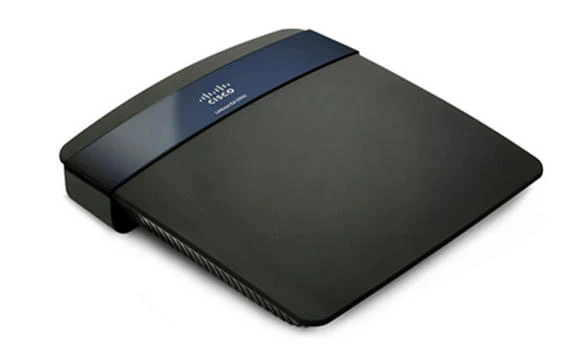
Hackers could be using your Wi-Fi connection with simple software brought in from India, according to sources in the Saudi telecommunications industry.
"We have had many people coming in to complain that their modem is not working and only allowing for a limited access connection status and not connecting to the network," said a source at a service center of one of the three Internet providers.
He added that in these cases the modem has usually been hacked using cheap software that has lately become available on the streets.
"The pirated software has come into the Kingdom from India and allows hackers to crack the password in Wi-Fi connections so neighbors or anyone in range, even sitting on the street in a parked car can use the Internet for free," he said.
The source went on to say that the only way they can get the modem working again is to reset it completely.
When asked by Arab News how consumers can protect themselves, the source said that there was nothing one could do to protect a password, except to remember to disconnect when finishing browsing and changing the password frequently.
"No matter how telecom providers try to protect their customers by creating security passwords others seem to usually come up with ways to breach security," he said.
Over the last year, hacking has become a global problem, which has not excluded the Kingdom. In August, Saudi Aramco's Twitter account was compromised. The national oil company also admitted it had been hit by a malware attack that affected 30,000 computers.
Just last month, Bloomberg News' financial terminal was hacked leaking more than 10,000 private messages online and undermining the company's attempts to restore faith in its ability to keep client information safe. The two lists of information that was reportedly compromised show confidential Bloomberg messages between traders and dozens of the world's largest banks.
According to Symantec global statistics, hacking have cost companies hundreds of millions of dollars per cyber attack in 2011 and 2012.
Hackers could be using your Wi-Fi