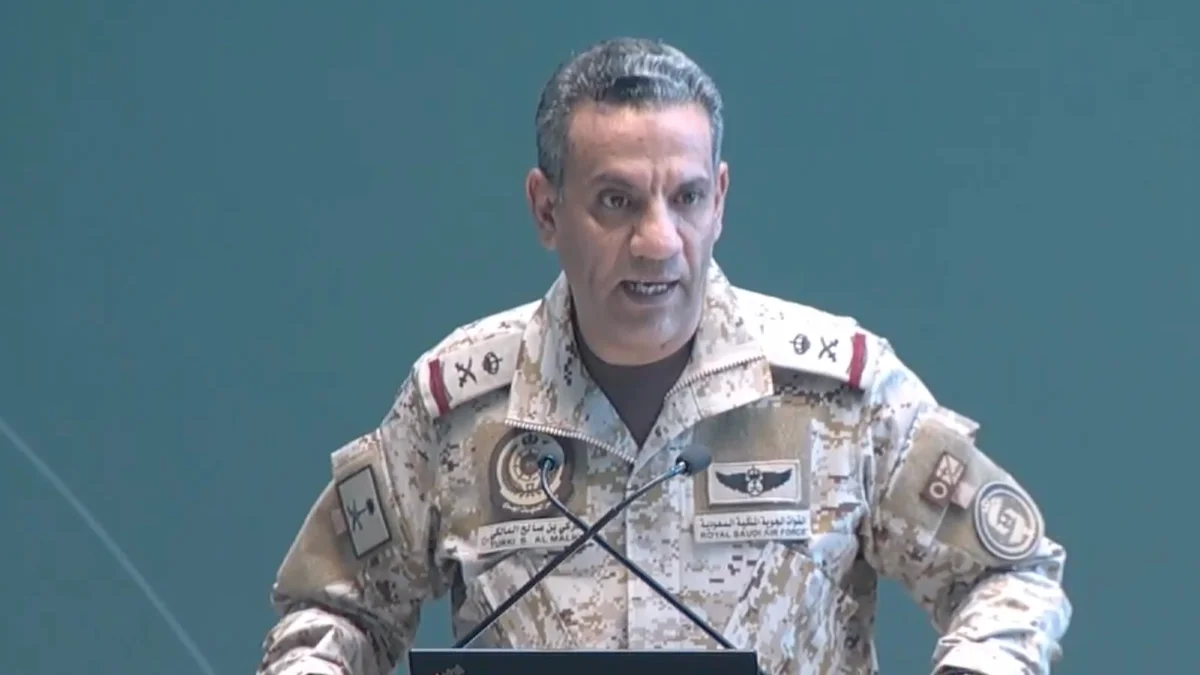
JEDDAH: The international community will determine the fate of Yemen peace talks in Kuwait, said Brig. Gen. Ahmed Al-Asiri, spokesman of the coalition forces.
“We will not accept any aggression on the Saudi border,” he asserted.
He also charged that Houthis sent children to fight on the Saudi border.
The coalition’s campaign will continue until legitimate government is in power in Yemen, he said.
The UN special envoy for Yemen has also been informed about several breaches made by Houthis, he said.
Al-Asiri’s comments came as Yemen’s government accepted a UN-proposed plan to end fighting, but the Houthis rejected it, confirming reports that the rebels are unwilling to accept a political solution.
The government’s acceptance followed meeting in Riyadh chaired by President Abed Rabbo Mansour Hadi.
The draft agreement stipulates that the Iran-backed Houthi rebels must withdraw from Sanaa. The proposed peace deal is broadly in line with the demands of President Hadi’s government. It replaces a roadmap previously proposed by UN envoy Ismail Ould Cheikh Ahmed.
Under the new plan, a political dialogue between the factions would start 45 days after the rebels pull out of cities, including Sanaa, and hand over looted weapons. Prisoners of war would also be freed.
The proposals by the UN envoy to Yemen also provide for the annulment of political bodies emanating from last week’s formalization of an alliance between the Iranian-backed rebels and the General People’s Congress, the political party led by former President Ali Abdullah Saleh. The UN envoy has said the alliance violated international resolutions.
The government’s announcement came just hours after the coalition said a Saudi army officer and six soldiers were killed in border clashes with Houthis. They died while trying to stop Houthis from infiltrating across the border, the coalition command said in a statement. The armed forces also killed an unspecified number of infiltrators.
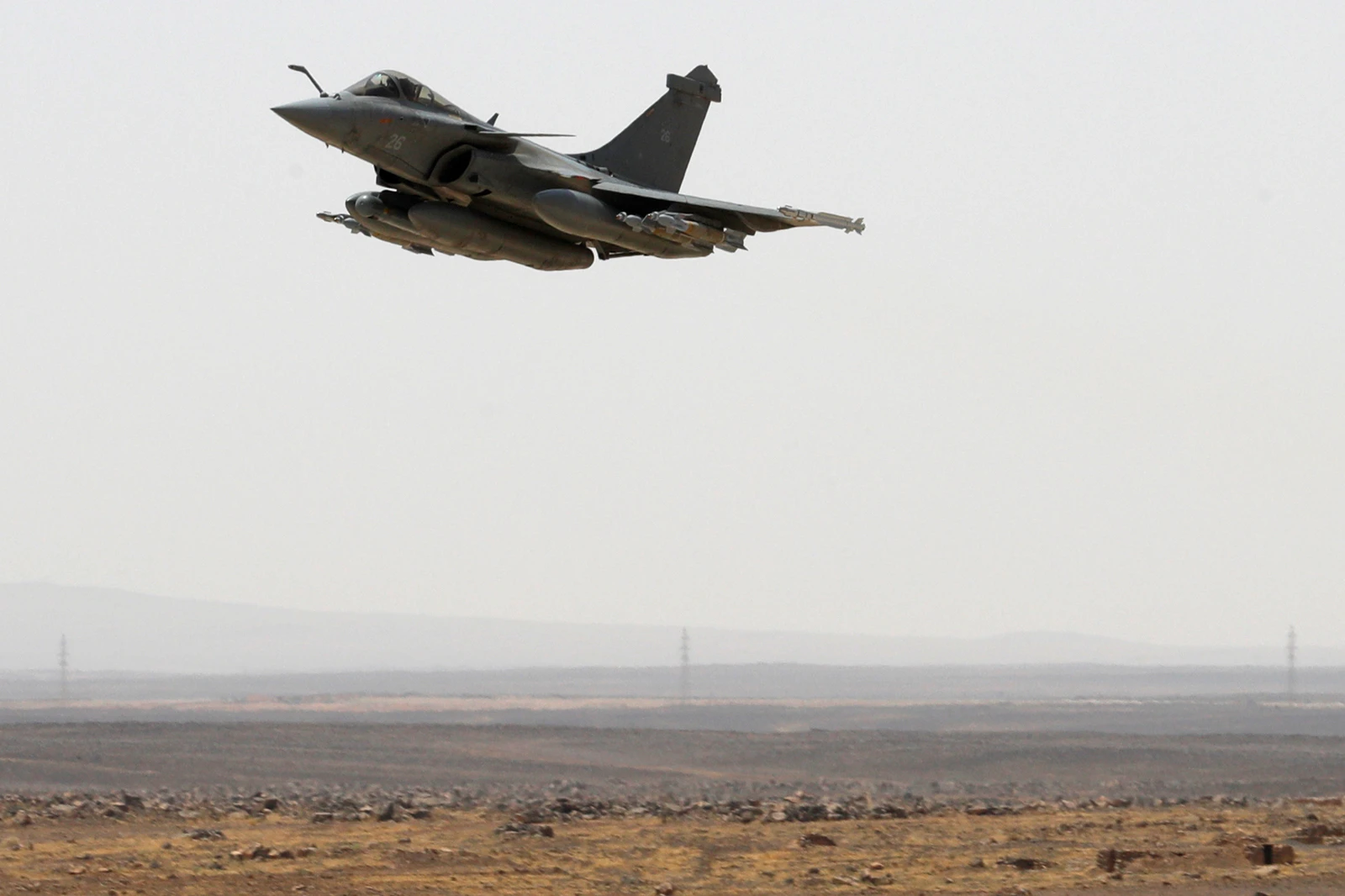
Coalition planes raided the Houthi gatherings at the border, eliminating terrorists and destroying their military vehicles.
The Kuwait talks have failed to make any significant headway because of Houthis’ intransigence.
President Hadi demands the implementation of a UN Security Council resolution stipulating the withdrawal of militias from all cities.
Yemeni Foreign Minister Abdulmalek Al-Mikhlafi, who is leading Hadi’s negotiating team, said he had sent a letter to the UN envoy informing him the government backed the “Kuwait Agreement.”
One precondition, however, is that the Houthis and allied forces loyal to Saleh sign the deal by Aug. 7, Mikhlafi wrote on Twitter.
The rebels angered the government last week by announcing the formation of a 10-member “supreme council” to run Yemen, which Yemeni authorities branded a “new coup.”
Under the proposed peace deal, that council would be abolished and all rebel decisions since they occupied Sanaa would be rescinded.
“This council will govern the country as a presidential council and in accordance with the country’s constitution and laws,” Saleh said.
Hadi’s government has used Aden as a temporary capital since it was recaptured from the Houthis last year.